ScrollBeat

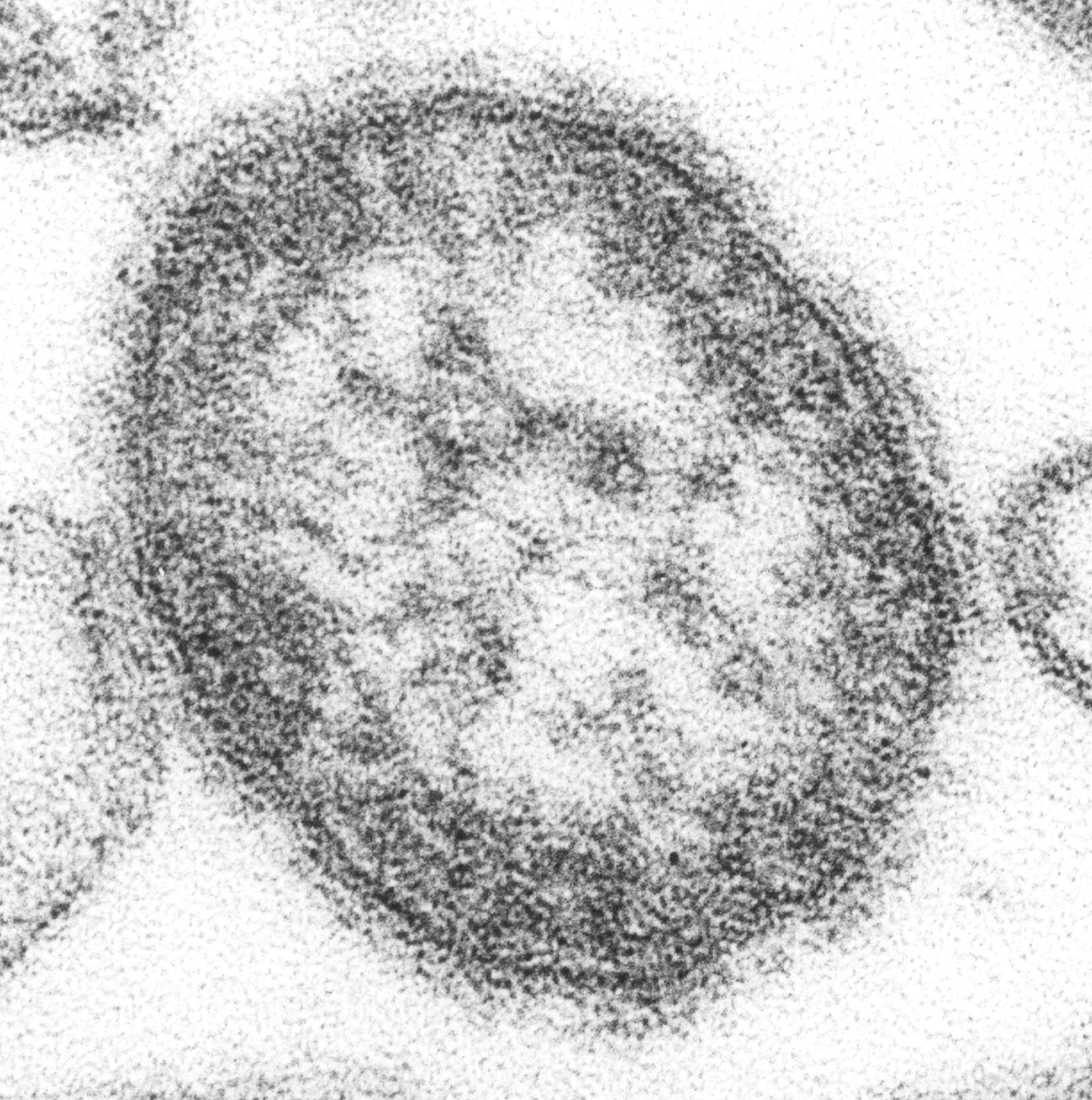
Bangladesh recorded four more deaths among children with measles-like symptoms in the 24 hours to 8am on Friday, according to figures released by the Directorate General of Health Services. No new deaths from confirmed measles were recorded during that reporting period.
The distinction matters: the four latest deaths remain classified as suspected measles deaths. They should not be described as laboratory-confirmed fatalities. Dhaka Tribune reported that all four were recorded in Dhaka district.
The DGHS figures, reported separately by Bangladesh Sangbad Sangstha and Dhaka Tribune on 6 November, put the cumulative number of suspected measles deaths at 1,171 since 15 March. The confirmed death count remained at 105. Together, the two categories total 1,276 deaths, but the combined figure does not mean that every death has been confirmed as caused by measles.
Health authorities also recorded 1,239 suspected cases and 75 confirmed infections in the latest 24-hour period. BSS described the daily combined tally as 1,314 suspected and confirmed cases. The separate categories provide a clearer account of what the surveillance reports have established and what remains provisional.
Since 15 March, the cumulative suspected case count has reached 236,714, while the confirmed infection count stands at 24,294, according to the DGHS release cited by both outlets. These are national surveillance totals accumulated over nearly eight months; they are not the number of people newly infected on Friday.
Hospital care remains a substantial part of the outbreak response. The directorate reported that 210,982 patients with suspected measles had been admitted to hospitals across the country during the same period. Of those, 202,394 had been discharged. The reports did not provide a separate current hospital occupancy figure, and the difference between cumulative admissions and discharges should not be treated as a verified count of patients still in hospital.
The latest update is a daily accounting of reported illness and deaths rather than a full explanation of the outbreak. Neither report provides the ages of the four children, their vaccination histories, the hospitals where they were treated or the findings needed to determine whether their deaths will later be confirmed as measles-related.
Those gaps also limit what can be concluded about the latest fatalities. The figures alone do not establish why individual children died or whether the new suspected cases will all be confirmed. The distinction between suspected illness and confirmed infection must therefore remain visible as the totals are updated.
The next DGHS surveillance release will show whether further deaths and infections have been reported and whether the confirmed totals have changed. Friday’s accounts did not give a timetable for resolving the classification of the four latest deaths or announce a new response measure alongside the figures.