 ScrollBeat

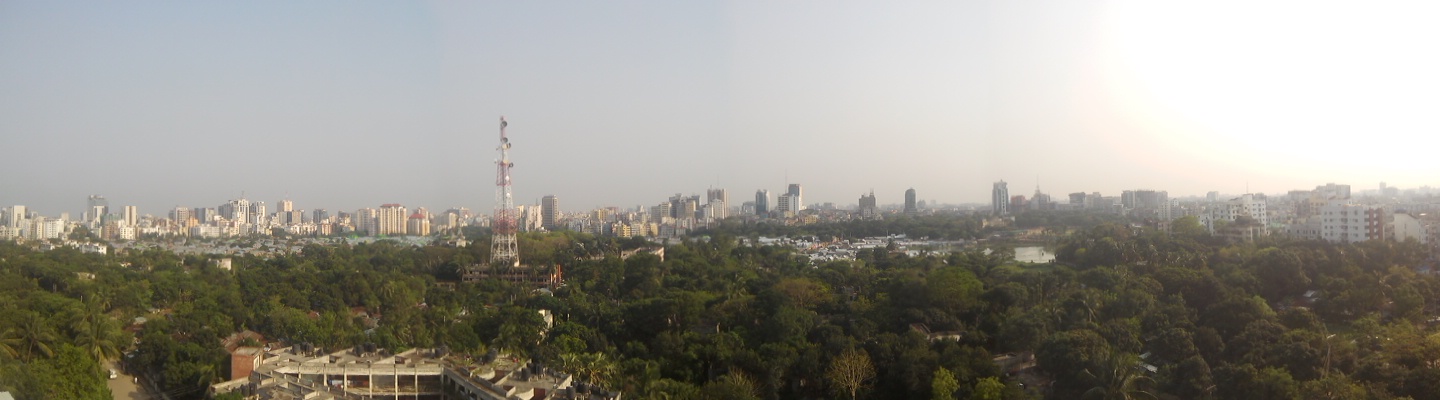
Dhaka’s air was rated very unhealthy on Monday morning, 16 November, with an air quality index score of 223, according to IQAir readings reported separately by Prothom Alo and Bangla Tribune. The capital ranked third in the live comparison cited by both outlets.
The readings put a daily concern for commuters, schoolchildren and outdoor workers back in focus. They also showed why a single citywide number cannot describe conditions in every neighbourhood: some monitoring locations recorded substantially higher pollution than the overall figure for Dhaka.
Prothom Alo reported a score of 223 at about 8:15am, compared with 206 at the same time on Sunday. Bangla Tribune cited the same Monday score from a monitoring period between 6am and 7am. These are morning snapshots, rather than a confirmed reading for the whole day, and the reports refer to different observation times.
In the international ranking cited by the two publications, Lahore was first with a score of 316 and Kolkata second with 246. Such rankings describe the cities included in the live comparison at that point; they do not establish that Dhaka held the same position throughout Monday.
Within Dhaka, Prothom Alo reported an AQI reading of 516 at Gulshan Lake Park, the highest among the ten monitoring locations it cited. Bashundhara Residential Area’s G Block recorded 465, while readings at Badda’s Pragati Sarani and Rob Bhaban in Gulshan 2 were 447 and 355 respectively.
Those local figures should be read separately from the capital’s overall score of 223. The newspaper also reported scores of 229 in Savar and 252 in Gazipur, indicating that the poor morning air extended beyond central Dhaka.
Under the categories described in both reports, AQI readings from 201 to 300 fall in the very unhealthy range. Scores above 300 fall in the hazardous range. The scale therefore placed the citywide reading and the much higher readings at individual locations in different categories.
Prothom Alo identified fine particulate matter, known as PM2.5, as the main pollutant in the morning data. It reported a concentration of 130.8 micrograms per cubic metre at about 8am. The two reports do not establish how much each pollution source contributed to Monday’s measurements.
For residents considering outdoor activity, Prothom Alo relayed IQAir’s advice to avoid outdoor exercise, keep windows and doors closed and use a good-quality mask outside. Bangla Tribune also reported advice for extra caution among children and other sensitive groups. These recommendations were attributed to the monitoring service and experts, rather than a newly announced government restriction.
The reports reviewed do not announce school closures, transport restrictions or a fresh official enforcement programme in response to the readings. They also provide no firm timetable for improvement. Further monitoring will show whether conditions ease later in the day; the morning numbers alone cannot establish that an improvement has occurred.