ScrollBeat

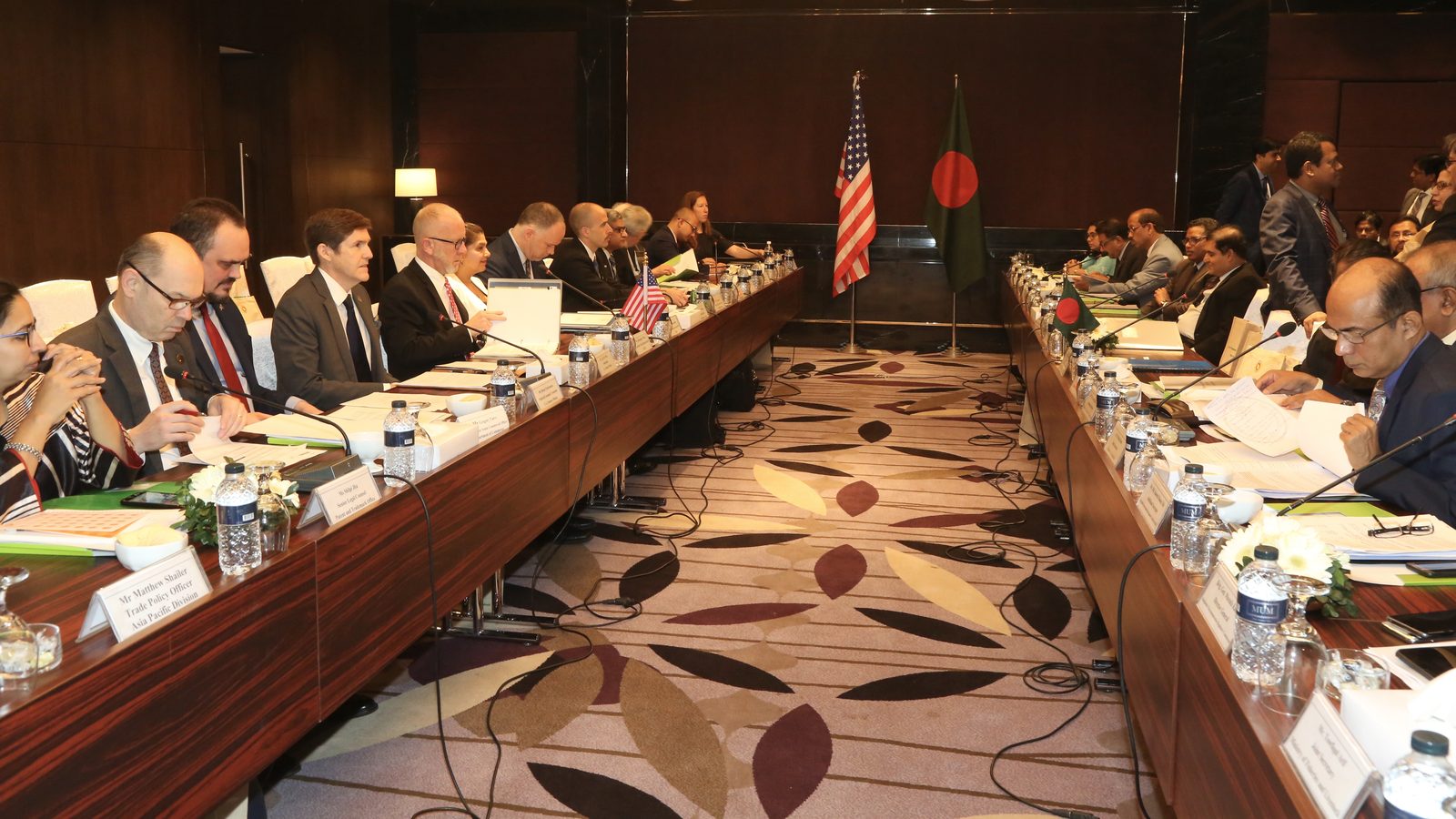
Projects in Bangladesh are now eligible for financing from the US International Development Finance Corporation (DFC), creating a new route for private investment in infrastructure, energy and technology. Bangladesh’s Foreign Ministry welcomed the decision on Tuesday, 17 November, a day after the US agency announced the change.
The decision opens access to development finance and tools intended to reduce investment risks. It does not, by itself, establish that a particular project has received funding. The announcements reported by BSS and UNB did not identify approved projects in Bangladesh, a total financing commitment or a date for the first disbursement.
For Bangladesh, the immediate significance is the opportunity to attract capital for commercially viable projects that face difficulty securing investment. DFC says its financing and risk-mitigation instruments can help bridge those gaps, including where perceived risks discourage private investors. The agency is the US government’s international development finance institution and also supports American foreign-policy objectives.
In its Tuesday statement, the Foreign Ministry said the new eligibility followed sustained diplomatic engagement with Washington. It expected access to DFC support to attract US investment, bring in private capital and encourage more American businesses to participate in Bangladesh’s economy.
The ministry also described the decision as a sign of international confidence in Bangladesh’s economic prospects and its efforts to improve the investment environment and labour standards. Those assessments represent the government’s interpretation of the announcement; the reports did not provide an independent evaluation of the reforms or their results.
DFC chief executive Ben Black presented the move as an opportunity to deepen the economic partnership. In the agency’s statement, reported by BSS and UNB, he said support for critical infrastructure could create economic opportunities in Bangladesh while serving US strategic interests.
US Ambassador to Bangladesh Brent T Christensen linked the financing opportunity to Washington’s wider trade approach. He said open economies and reciprocal trade could support growth, and described the Agreement on Reciprocal Trade as a public commitment to that approach. DFC financing, he said, could help turn the stated goals into economic benefits for both countries.
The agency’s regional priorities provide some context for what may follow. DFC says its South Asia investments focus on energy, critical infrastructure and technology. It argues that such investments can create jobs, improve essential services and strengthen local businesses. These are the intended benefits of its development-finance work, rather than outcomes already demonstrated by the Bangladesh decision.
The next question is which projects will turn the new access into actual investment. The statements express support for commercially viable, development-focused proposals, but leave the size, terms and timing of any Bangladesh financing unspecified. For businesses and the public, future project announcements will be needed to show where funding goes and what services or employment it delivers.