ScrollBeat

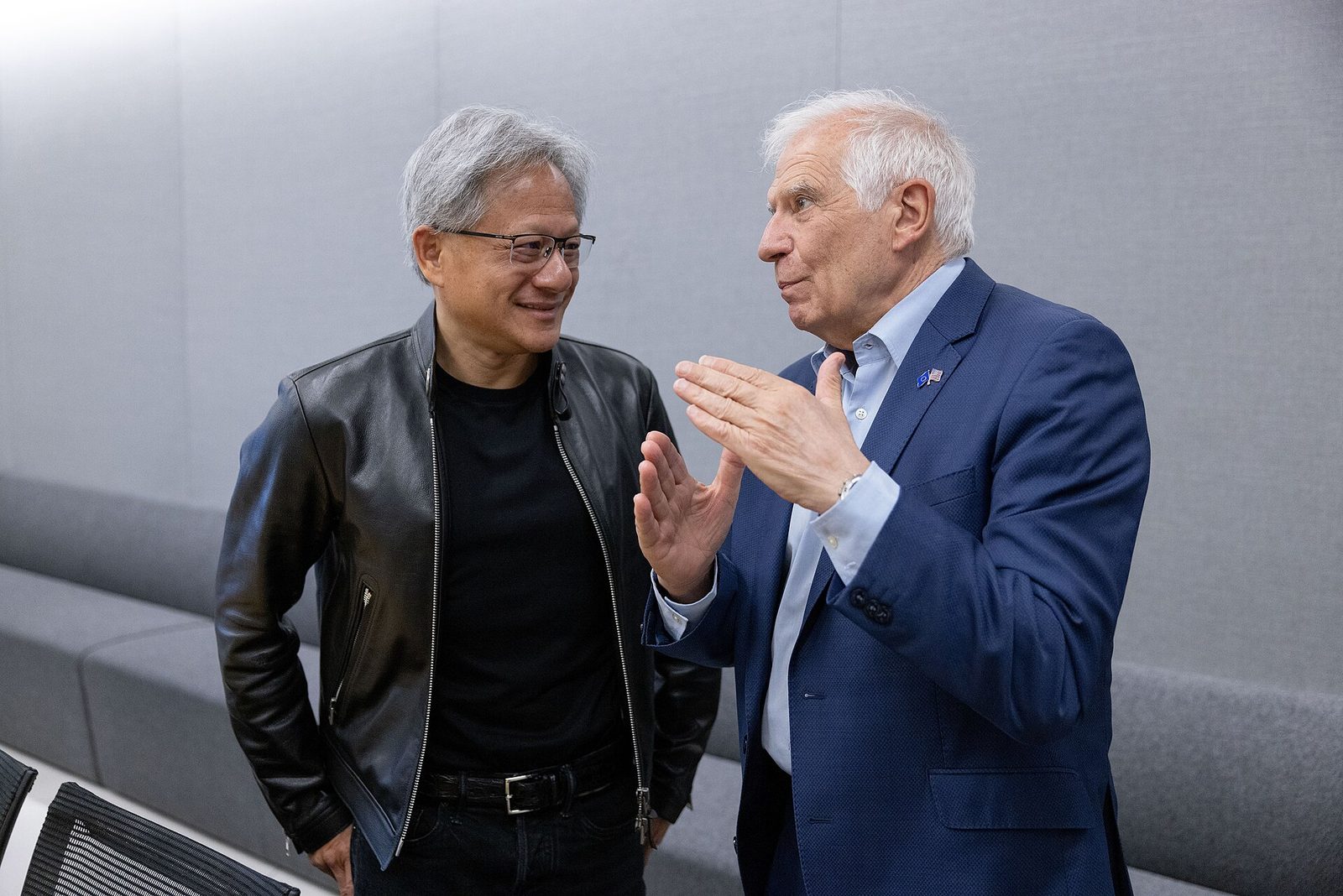
US lawmakers are pressing for tighter controls on advanced artificial intelligence chip exports to China as reports about former Nvidia chief Jensen Huang add a new dispute ahead of talks between US President Donald Trump and Chinese President Xi Jinping.
An Associated Press report carried by Hindustan Times on Saturday, 14 November, said several congressional Democrats had written to Commerce Secretary Howard Lutnick seeking information about allegations involving Huang and demanding an immediate halt to advanced AI chip exports to China. The demands do not themselves amount to a new export ban.
The report said the Senate version of a defence policy bill included proposals for congressional scrutiny of advanced chip export licences, tracking to prevent chips reaching unauthorised destinations and closer alignment of restrictions among US allies. Those provisions were described as proposed legislation, rather than completed changes to the rules.
The pressure follows reports alleging that Huang had a relationship with a woman whom US officials suspect of working for Chinese intelligence. The suspicion remains an allegation. Beijing has rejected the espionage claim as unsubstantiated and warned against using it to justify further technology restrictions.
Chinese Foreign Ministry spokesperson Mao Ning said on Thursday that the United States should stop using claims about Chinese spies as a reason to restrict technology, according to the AP account. That response is central to the disagreement: Washington's concerns about access to sensitive technology are contested by Beijing, rather than established by the allegation alone.
Separately, Bangla Tribune reported on Saturday, citing WION, that Nvidia finance executive Colette Kress had been appointed acting chief executive on 12 November following Huang's departure. Its account described earlier disagreements over financial risks associated with support for AI customers. The AP report also identified Huang as Nvidia's former chief executive.
The wider argument predates the latest reports. Nvidia's advanced processors are important to the training of powerful AI systems, making access to them a central issue in US–China technology competition. Washington has restricted sales of the most advanced chips, while Chinese companies have worked to develop domestic alternatives.
According to AP, the Trump administration earlier this year permitted exports of Nvidia's H200 chips to China, although these are not the company's most powerful products. The report said Nvidia had subsequently disclosed only limited shipments to China. A demand to tighten controls therefore raises questions about an existing, restricted channel of trade.
The diplomatic consequences are still uncertain. Senior US officials briefing reporters on Friday said President Trump did not plan to raise the Nvidia issue directly with President Xi, AP reported. The two governments have also been discussing AI safety, leaving open whether disagreements over exports will affect that separate work.
The reports reviewed for this article do not establish that the espionage allegation has been proved or that the latest demands have produced a new government decision. The next developments to watch are the Commerce Department's response, the progress of the proposed legislation and any announcements emerging from the leaders' talks.