ScrollBeat
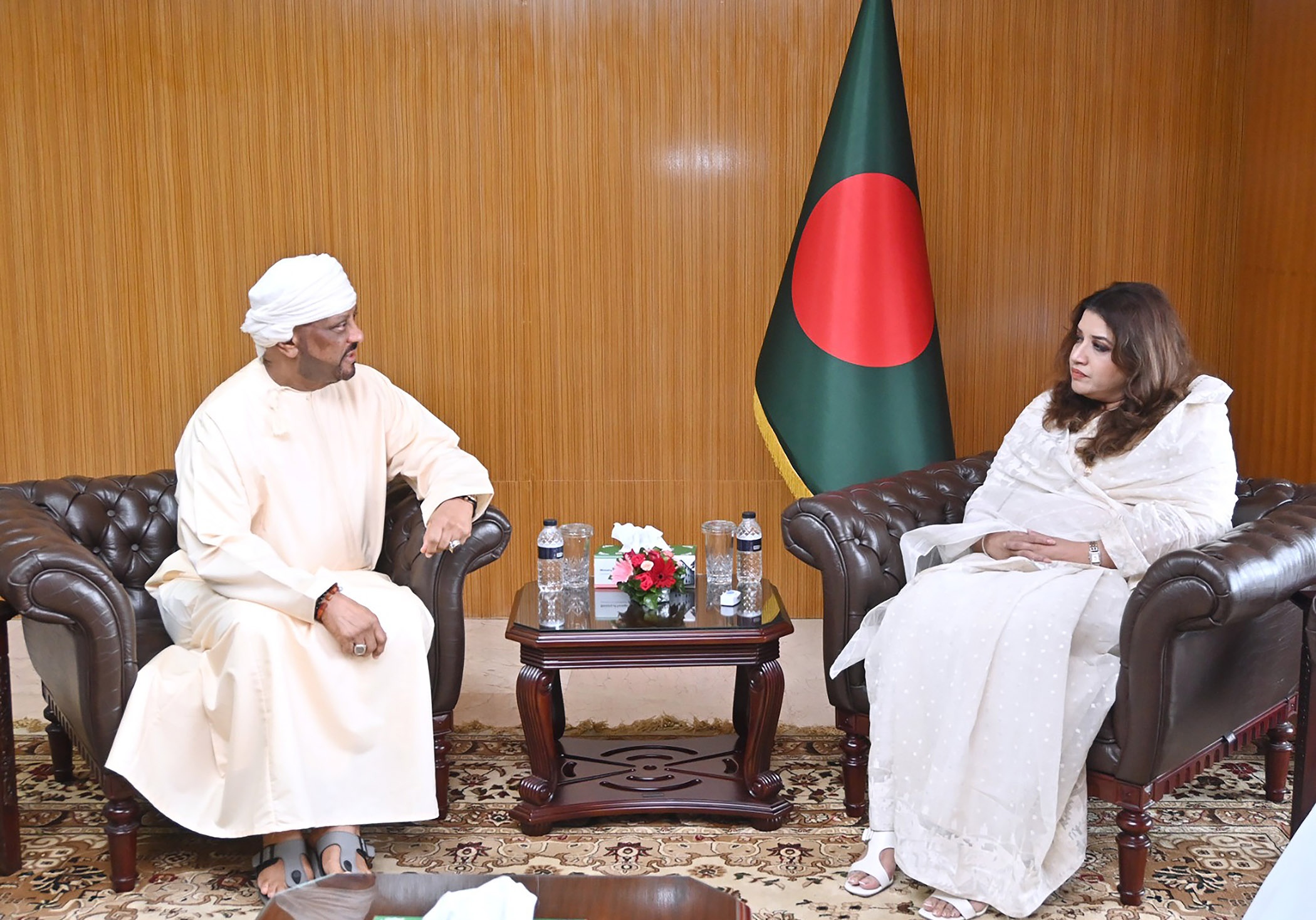
Bangladesh has formally asked Saudi Arabia for details of the execution of two Bangladeshi nationals, after the government learned of the case from Saudi media rather than through official channels, the Ministry of Foreign Affairs said.
Saudi Arabia's Interior Ministry said the two were executed on 14 October. A court convicted them under ta'zir, a category of discretionary punishment in Islamic law, over what the ministry described as an immoral act inside a mosque in the holy city of Mecca, according to the state-run Saudi Press Agency. Saudi authorities identified the two as Nazerul Islam Abdul Basir and Siti Akhtar.
State Minister for Foreign Affairs Shama Obaid Islam told reporters at the Ministry of Foreign Affairs in Dhaka on Saturday that Bangladesh had written to the Saudi government seeking detailed information. She said neither the ministry nor the Bangladesh mission in Saudi Arabia was told beforehand.
Shama Obaid Islam said a message from the labour welfare wing of the mission indicated the two had been accused of adultery inside a mosque in Mecca, which is treated as a grave offence under Saudi law. She said no official information had reached Bangladesh, and that she could not confirm the details until Saudi Arabia replied.
"The death sentences of two Bangladeshis in Saudi Arabia are a major lesson for us," she said, urging Bangladeshis abroad to obey the laws of the countries where they live.
The Bangladesh Consulate General in Jeddah sent a diplomatic note to the Saudi foreign ministry after learning of the executions from the news media, officials said. Both countries are parties to the Vienna Convention on Consular Relations, which requires authorities to tell a detained foreign national that their consulate can be notified, and to inform the consulate if the detainee asks.
Saudi Arabia is the largest destination for Bangladeshi migrant workers, with more than four million there. Shama Obaid Islam said the government would discuss bringing the bodies home once it received a reply. The exact circumstances of the case, the identities of the two and whether consular access was offered remain unconfirmed.