 ScrollBeat

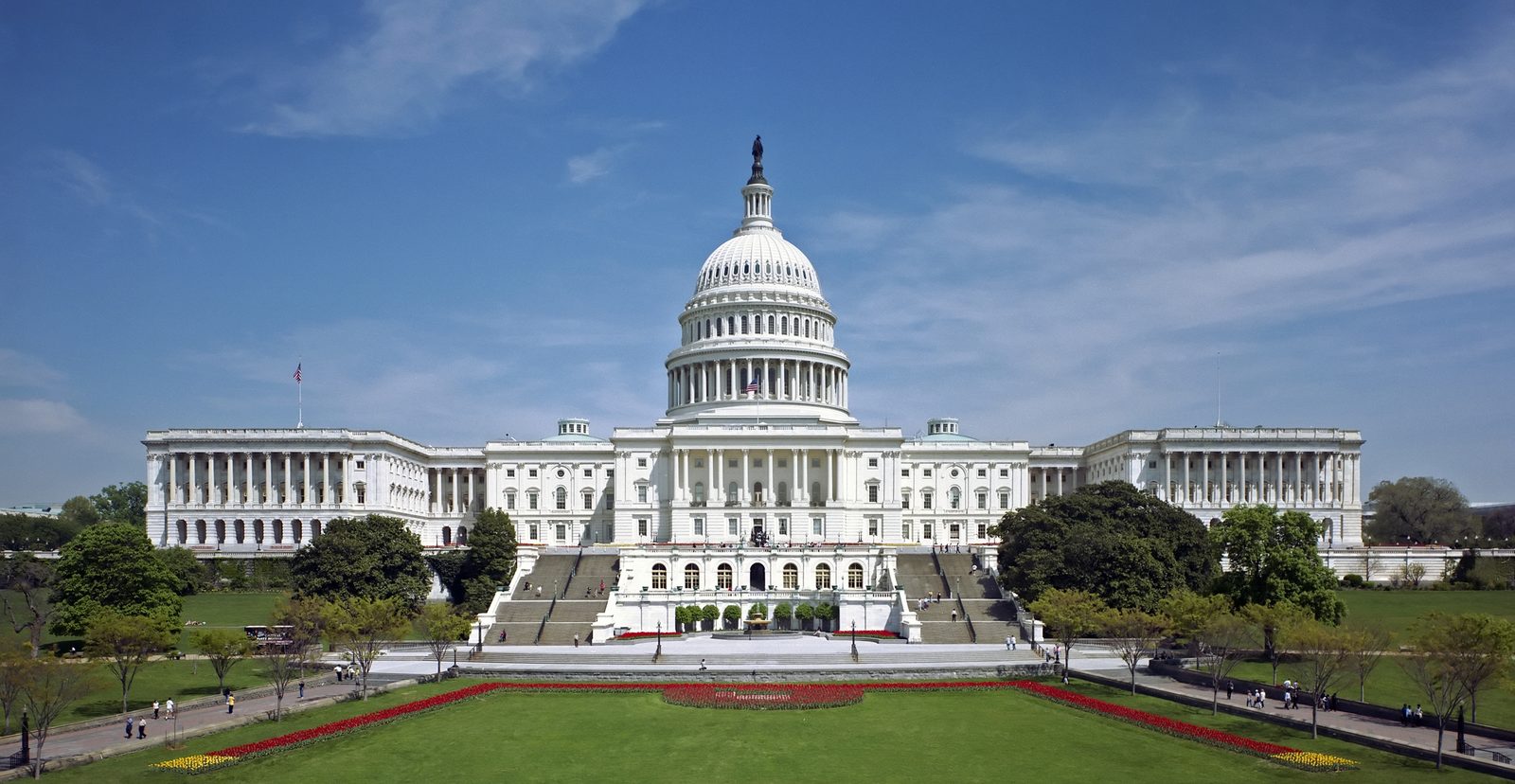
Democrats have won majorities in both chambers of the United States Congress in the 3 November midterm elections, according to reports by Al Jazeera and The Guardian on Wednesday. The outcome gives the opposition party new ways to challenge President Donald Trump’s administration, although the incoming lawmakers will not take office until January.
Both outlets reported that Democrats had secured at least 53 seats in the 100-member Senate. Al Jazeera also cited the Associated Press as declaring a Democratic House of Representatives victory after the party passed the 218 seats required for a majority in that 435-member chamber. Several races remained undecided, leaving the eventual size of the majorities unclear.
The change reverses the Republican control of both chambers that accompanied the start of President Donald Trump’s second term. Future legislation will need support from a Congress controlled by his opponents, creating a different political setting for the remaining two years of his presidency.
Senate gains extended across states with different voting histories. The two outlets reported Democratic victories in Texas, Kansas, Ohio, Iowa, Maine and South Carolina. James Talarico won in Texas and Adam Hamilton defeated Republican Senator Roger Marshall in Kansas. In Maine, Troy Jackson defeated Republican Senator Susan Collins.
Democratic House leader Hakeem Jeffries welcomed the outcome as the start of an American comeback, The Guardian reported. He is positioned to seek the speakership following his party’s victory, but the election result itself does not complete that separate leadership process.
President Donald Trump offered a different explanation for his party’s losses. According to The Guardian, he argued that Republicans would have performed better had he personally been on the ballot. Al Jazeera reported that he had threatened during the campaign to veto Democratic measures, underlining the limits on what an opposition Congress can deliver.
The most immediate institutional change will be in oversight and appointments. A Democratic Senate can reject presidential nominees for cabinet posts, ambassadorships and federal judgeships. Democratic committee leaders can also seek documents and testimony about the administration’s actions. Those investigative powers do not depend on the president agreeing to a new law.
Passing a programme of their own will be harder. Legislation generally needs approval from both chambers and the president. Overriding a presidential veto requires a two-thirds majority in each chamber, meaning Democratic leaders would need Republican support rather than relying on a simple majority.
Al Jazeera reported that Democrats campaigned on reducing living costs, challenging alleged abuses of power and ending the war on Iran. Its analysis described restrictions on future war funding as one possible source of pressure. That remains a potential course of action, rather than an announced policy already taking effect, and the report said Democratic unity on such an approach was uncertain.
For readers in Bangladesh, the distinction matters when assessing claims about a rapid change in American trade or foreign policy. A congressional election changes who can approve, block or investigate decisions; it does not by itself settle the war, reverse tariffs or produce an immediate fall in prices.
The next stages are the remaining vote counts, decisions about congressional leadership and the start of the new congressional term in January. Final seat totals will help determine how much room Democratic leaders have to negotiate, while President Donald Trump retains the veto and the executive powers of the presidency.