ScrollBeat

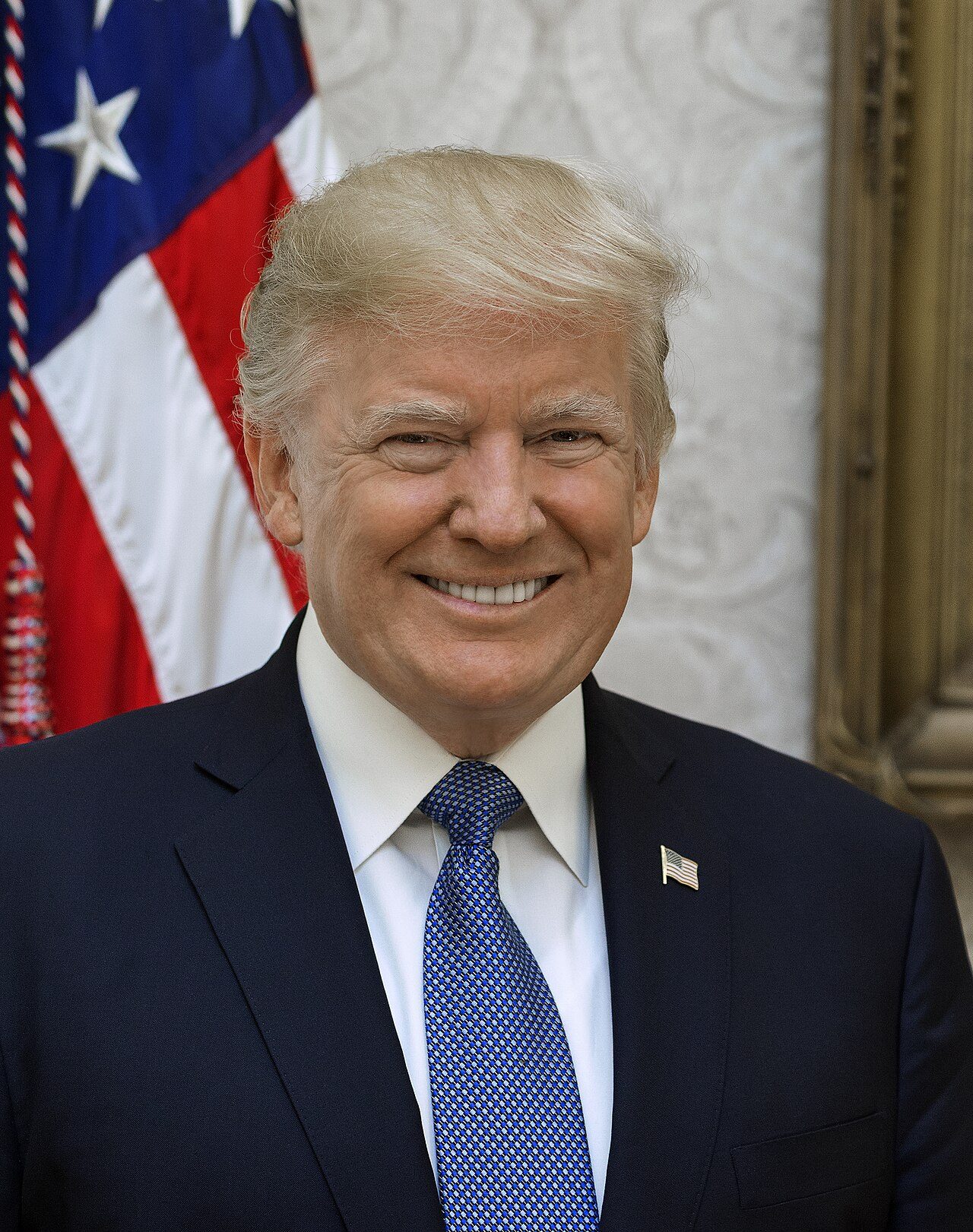
President Donald Trump has signalled that he is willing to negotiate with Democrats over the future of some long-term undocumented immigrants, as his administration prepares for congressional investigations following the Republican Party’s midterm election defeat.
The opening on immigration came in a CBS 60 Minutes interview broadcast on Sunday, 8 November, according to The Guardian. Separately, AFP reported that incoming Democratic congressional leaders were promising scrutiny of the administration, while senior officials pledged to defend the president and his aides. The developments show the competing pressures shaping Washington after Republicans lost control of Congress.
In the interview, President Trump said his deportation approach had been “too tough”, The Guardian reported. He acknowledged that enforcement had also removed people who held jobs and whose immigration violation was entering the country unlawfully. His comments suggested room for an accommodation for some people who have lived in the United States for a decade or longer.
He continued to favour removing people convicted of serious crimes, while saying an arrangement for other long-term residents could be negotiated. He also claimed that some Democrats had contacted him about a possible compromise. The Guardian’s account did not identify those lawmakers or establish that negotiations had produced an agreement.
The distinction matters for immigrant families, including readers with relatives in the United States: the comments describe a possible negotiation. The reports reviewed did not announce a new right to remain, an application process, eligibility rules or a date for any change in enforcement.
The political background points to a difficult path. President Trump selected Stephen Miller as White House chief of staff on Friday. Both The Guardian and AFP described Miller as an architect of the administration’s immigration crackdown. His elevation leaves an unanswered question about how any proposed compromise would fit with the enforcement priorities of the president’s senior team.
Democrats, meanwhile, are preparing to use their new congressional position to examine the executive branch. AFP’s report, published by Dhaka Tribune, said possible subjects included immigration enforcement, the president’s family business interests, federal spending decisions and the conduct of the Iran war. Those are areas of prospective scrutiny; an investigation does not by itself establish wrongdoing.
Attorney General Todd Blanche told CNN that the Justice Department would defend administration officials if Democrats pursued them, according to AFP. Democratic Representative Robert Garcia argued in his own CNN appearance that holding the executive accountable was a constitutional responsibility of Congress. He said lawmakers would continue their oversight efforts despite pressure from the administration.
President Trump also promised a political comeback in a social-media statement reported by AFP. That defiant public position sits alongside the willingness to discuss immigration described in the television interview, leaving open whether cooperation and confrontation will proceed at the same time.
No detailed immigration proposal or joint negotiating timetable was established in the two reports. Neither supplied a Democratic response accepting the specific accommodation outlined in the interview. The next meaningful developments will be a concrete proposal, identified negotiating partners and any formal congressional action. Until then, the president’s remarks remain an indication of possible policy talks, with the outcome unresolved.