ScrollBeat

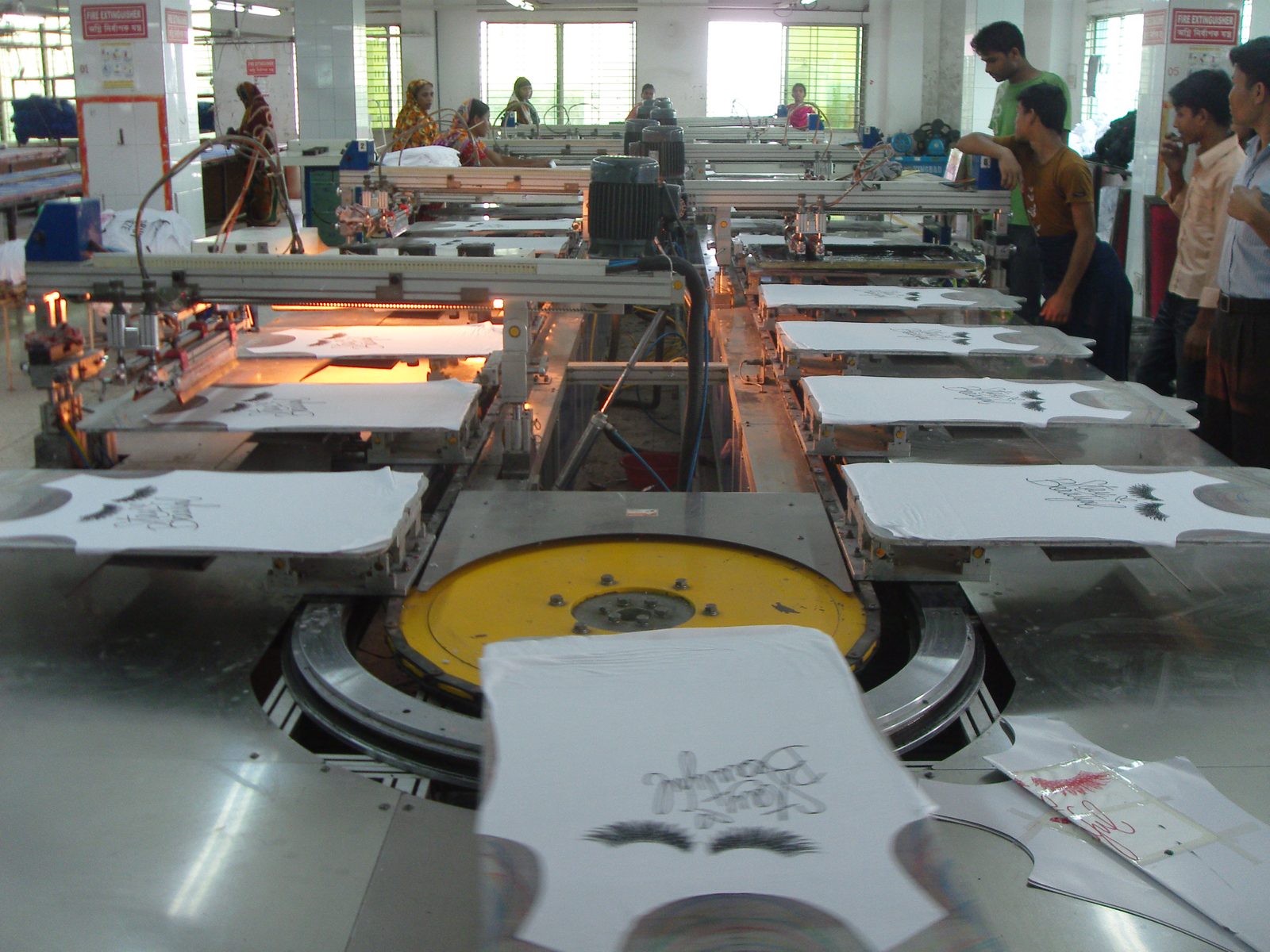
About 40 garment factories in Savar and Ashulia have closed indefinitely amid continuing labour unrest, leaving workers facing uncertainty over when production will resume and whether their jobs will be protected.
Notices appeared at factory gates on Saturday, 14 November, as employees arrived for work. Factory authorities cited wage protests, work stoppages and security concerns. Both Prothom Alo and Dhaka Tribune reported the closures, quoting Ashulia Industrial Police-1 Superintendent Mohammad Mominul Islam Bhuiyan.
The roughly 40 closures should be distinguished from the wider number of factories where no work took place on Saturday. In an update to Prothom Alo at around 1.30pm, the police superintendent said about 59 factories were not operating when temporary leave and other suspensions were included.
He told the newspaper that 18 factories had closed under Section 13(1) of the Bangladesh Labour Act, another 17 had announced indefinite closures and five had closed through verbal announcements. Seven factories granted leave, while another 12 did so after workers did not work.
That distinction matters for workers’ income. Prothom Alo reported that closures under Section 13(1) operate on a no-work, no-pay basis, while workers at factories closed under other arrangements would receive pay according to the applicable rules. The reports do not establish the individual pay arrangements at every affected factory.
The unrest involves demands for higher wages as well as grievances within particular workplaces. Dhaka Tribune reported that protesters’ demands included a Tk30,000 minimum monthly wage. This remains a demand; the reports announce no agreed new wage or settlement.
At Losaka Group in Ashulia’s Jirabo Pukurpar area, authorities announced that operations would remain suspended from Saturday until further instructions. Its notice cited concerns for employees, factory property and security, saying normal operations could not continue in the prevailing conditions. A reopening date would be announced later.
A female operator at Beek Knit Limited told Dhaka Tribune that trouble had started at a neighbouring factory. She alleged that people from outside subsequently broke her workplace’s gate and assaulted security staff. Her account describes why one worker believed her factory had closed; it does not independently establish who was responsible.
Khairul Mamun Mintu, legal affairs secretary of the Bangladesh Garments and Sweaters Workers Trade Union Centre, argued that the underlying problems were concentrated in about 12 to 14 factories. He cited unpaid wages, heavy workloads and mistreatment, and said addressing specific grievances could resolve the problems.
He also alleged that outsiders had exploited workers’ frustration and that owners were taking advantage of the situation. Those allegations were not independently established in the reports reviewed. The factory notices, for their part, presented the suspensions as necessary for safety and orderly operations.
Mintu urged the government to prevent layoffs at factories that had closed. For workers, the immediate questions are when management will reopen each workplace, how closure days will affect pay and whether discussions will address the grievances behind the protests. The two reports provide no common reopening timetable or confirmed agreement between owners and workers.