ScrollBeat

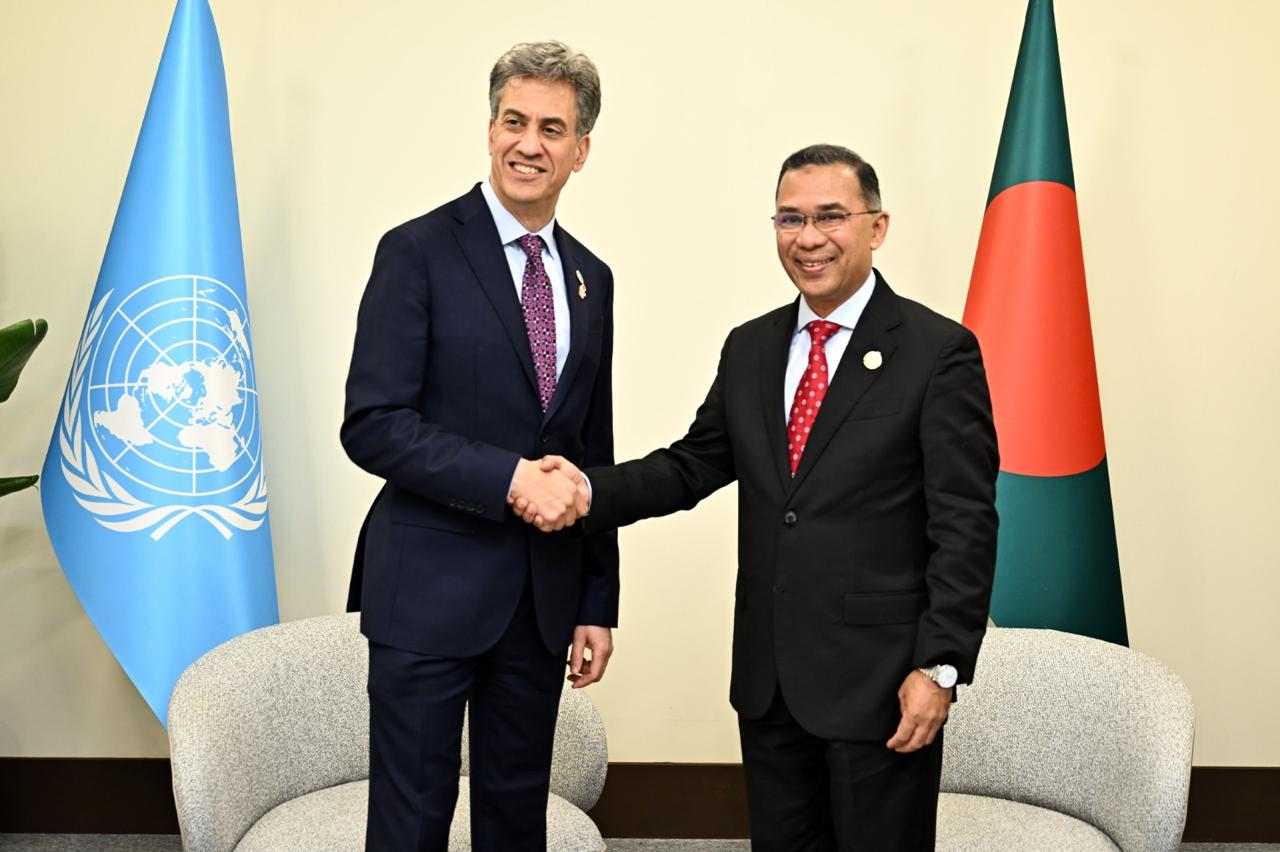
Prime Minister Tarique Rahman has asked the United Kingdom to take a stronger diplomatic role in securing the safe, voluntary and dignified return of Rohingya refugees from Bangladesh to Myanmar, while seeking cooperation on climate adaptation.
He raised the issues with UK Foreign Secretary Edward Miliband on Thursday, 12 November, during a meeting alongside the COP31 climate conference in Antalya, Türkiye. BSS and a UNB report carried by Dhaka Tribune both described the request. The UNB account cited the prime minister’s deputy press secretary, Hasan Shiplu.
The appeal brings together two pressures the government says Bangladesh faces: the prolonged responsibility of hosting refugees and the cost of preparing for climate change. The reports describe a discussion about closer cooperation, rather than an agreement setting out new British funding or a timetable for repatriation.
According to the accounts of the meeting, Prime Minister Tarique Rahman called for stronger international diplomatic efforts to find a lasting solution to the Rohingya crisis. He said densely populated Bangladesh had hosted a large Rohingya population for nearly a decade, placing pressure on the country’s economy, society and environment.
He also warned that the continuing situation could affect livelihood opportunities for host communities and create risks for regional security. Those assessments were attributed to the prime minister; the reports did not provide a new estimate of the economic costs or announce a change in arrangements for refugees.
Both reports said the requested return should be safe, voluntary and dignified. They did not announce a date for departures, an agreement with Myanmar or practical arrangements that would allow repatriation to begin. The distinction matters: an appeal for diplomatic support does not establish that conditions for return have been secured.
The two sides also discussed climate action, humanitarian crises, migration and stronger economic ties. Neither account included a detailed British response to the individual requests. No specific new UK financial contribution, migration arrangement or bilateral implementation deadline was identified in the material reviewed.
The climate discussions came as Prime Minister Tarique Rahman used his address to the conference’s high-level segment to call for a larger share of international finance to help countries adapt to climate impacts. BSS reported that he proposed directing at least half of international climate finance towards adaptation, while continuing support for reducing emissions.
His wider proposals included debt relief for vulnerable countries, access to climate-friendly technology, a faster transition to renewable energy and measures to make that transition fair. He argued that countries facing climate losses needed grant support rather than additional borrowing that would increase their debt burden.
Those proposals explain the financing priorities behind Bangladesh’s approach to partners at COP31. They remain requests made at the conference, rather than measures shown by these reports to have been accepted by other governments.
The next questions are whether the talks produce concrete diplomatic follow-through on Myanmar and identifiable support for Bangladesh’s adaptation priorities. The published accounts offer no timetable for either. Further statements from the British side and any subsequent agreements will be needed to establish what practical commitments emerge.