ScrollBeat
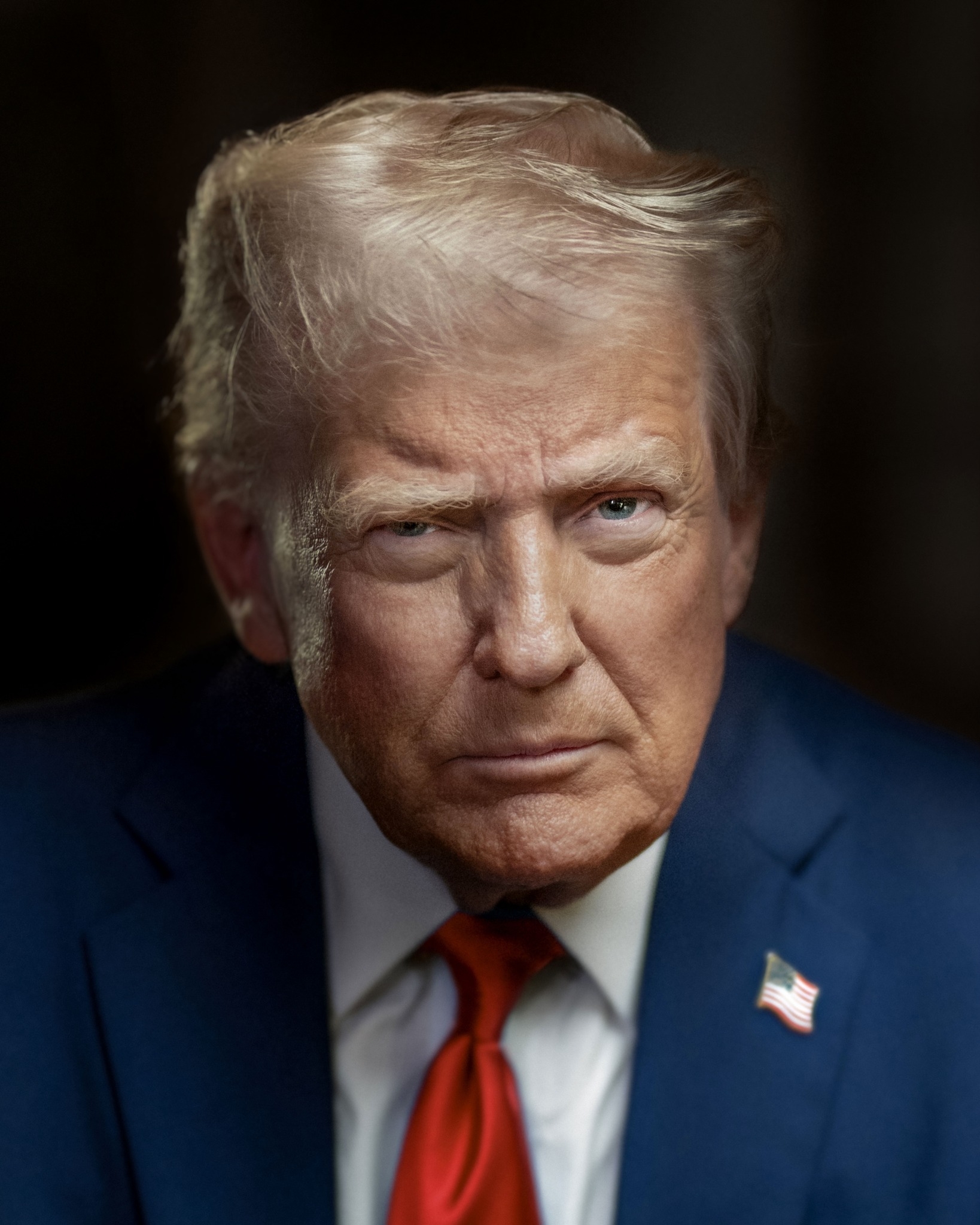
US President Donald Trump has suspended sweeping new sanctions and tariffs on Russia just before they were due to start, using a waiver in the law he signed last month.
The executive order was issued on Friday and released by the White House. It waives sanctions, restrictions and duties set out in the Lindsey O. Graham Sanctioning Russia and Iran Act of 2026. Trump said he had certified to Congress that the waiver served the national interest of the United States.
The law, signed on 18 September, gave the president 30 days to impose tariffs of up to 100 per cent on goods from the five largest buyers of Russian crude oil and natural gas — China, India, Slovakia, Hungary and Azerbaijan — as well as on countries that helped Russia evade sanctions. That deadline was 18 October.
The waiver suspends those measures rather than cancelling them. The order leaves earlier US sanctions in place and keeps Russian energy purchases under monitoring, so Trump can revive the tariffs later.
The decision follows an agreement for the United States to buy Russian diesel. Trump has said Russia will supply more than 300,000 tonnes immediately, a further 500,000 tonnes in November and 1 million tonnes after that. He has also criticised Ukrainian President Volodymyr Zelenskyy and suggested Ukraine needs a new leader.
American lawmakers criticised the move. Senator Richard Blumenthal, a co-author of the law, said the waivers had nothing to do with US national security and accused Trump of 'sucking up to Vladimir Putin'. Representative Don Beyer of Virginia called it a surrender to Putin and said Congress should rewrite the law so a president cannot suspend it. Republican Representative Don Bacon argued the pause would prolong the war.
Zelenskyy also objected, saying the retreat from sanctions came as Russia kept attacking Ukraine's energy infrastructure before winter.
Suspending the tariffs eases near-term pressure on India and China, whose exports had faced the 100 per cent threat, but the measures can return. For import-dependent economies such as Bangladesh, the wider question is what the shift means for global oil and freight prices.