ScrollBeat

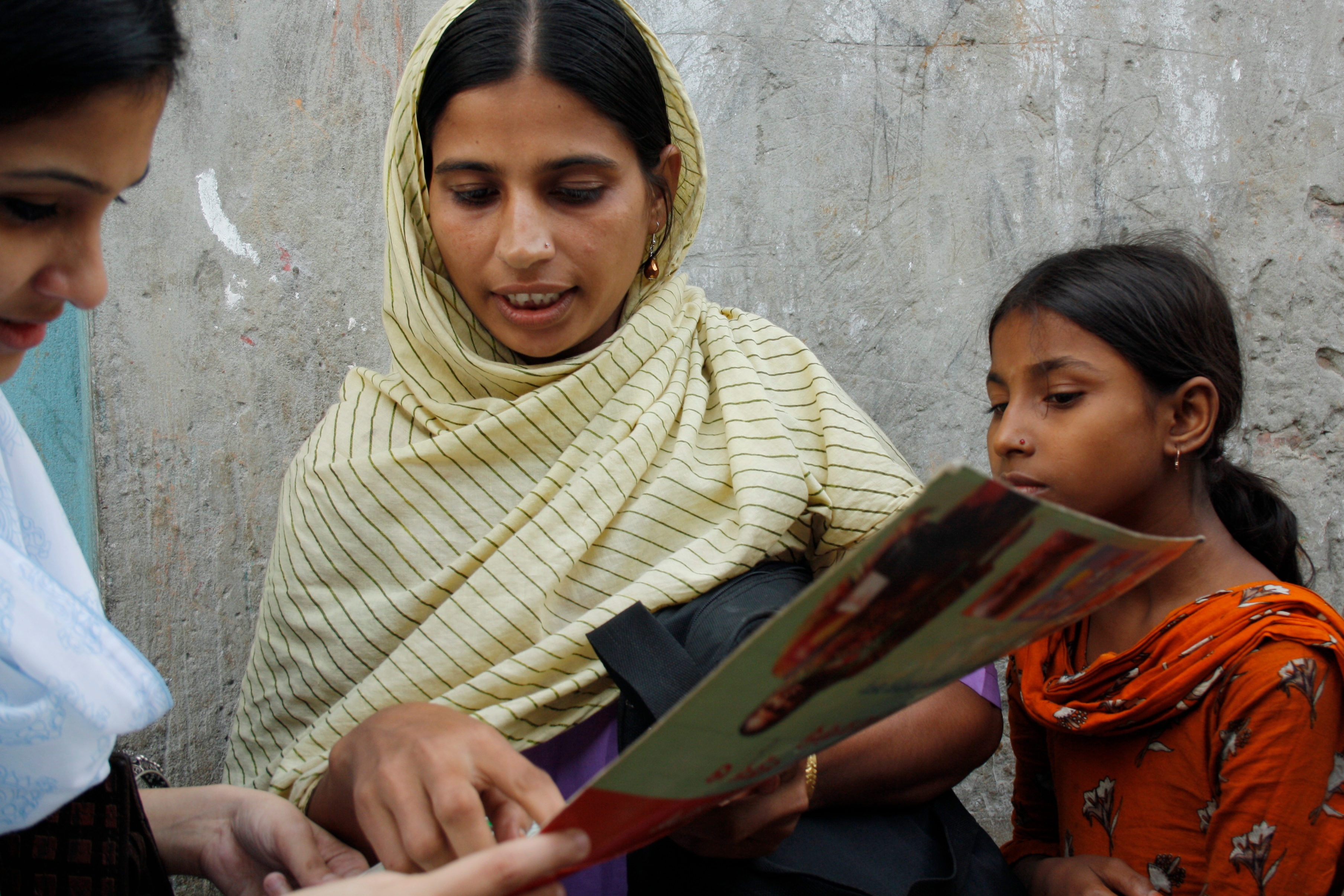
UNICEF Executive Director Catherine Russell ended a three-day visit to Bangladesh on Tuesday with a call for the government to spend more on children and to close the gaps that push girls out of school and into marriage.
Russell visited Korail, Dhaka's largest informal settlement, and travelled to Cox's Bazar, where she met Rohingya refugees and families from the host communities around the camps.
She set out three priorities: ending child marriage and keeping girls in school, delivering on the government's stated commitment to invest five per cent of GDP in education and health, and protecting decent schooling for Rohingya children and children in nearby Bangladeshi communities.
Nearly half of Bangladeshi women aged 20 to 24 - 47.2 per cent - were married before their 18th birthday, according to the Bangladesh Multiple Indicator Cluster Survey 2025 cited by UNICEF. Early marriage usually ends a girl's education and raises the risk of early pregnancy.
In Korail, Russell said she met a 14-year-old girl named Bushra, whose father had been persuaded by community workers at a UNICEF-supported child protection centre to call off an early marriage.
"Keeping girls in school and providing them with the health, education and protection services they need will deliver a brighter future for them, for their communities, and for Bangladesh," Russell said.
She met State Minister for Foreign Affairs Shama Obaed Islam in Dhaka. Russell welcomed the government's promise to raise education and health budgets, and said spending choices reveal what a government values most. "Budgets reflect priorities," she said.
In Cox's Bazar, she spoke to students and teachers at a learning centre. UNICEF says schooling also shields children from trafficking, exploitation, child marriage and recruitment by armed groups. "Rohingya children have lost so much to violence, displacement and uncertainty. They cannot lose their education too," Russell said.
UNICEF warned that humanitarian funding is falling, making it harder to keep education, health, nutrition and protection services running for refugee children and their Bangladeshi neighbours.