ScrollBeat
China's commerce and science ministries have jointly released a draft list of technologies whose export would be restricted or banned, covering 40 areas that include artificial intelligence, semiconductors and solar power. The ministries said the measures were needed to strengthen security, prevent misuse and keep AI “under human control”.
The proposal covers 23 AI technologies, among them advanced large models and agents. Under the draft, exports of core technologies used in AI models trained on sensitive national data would be banned, while models with at least two trillion parameters, or with certain world-leading capabilities, could face restrictions. The draft names no specific model.
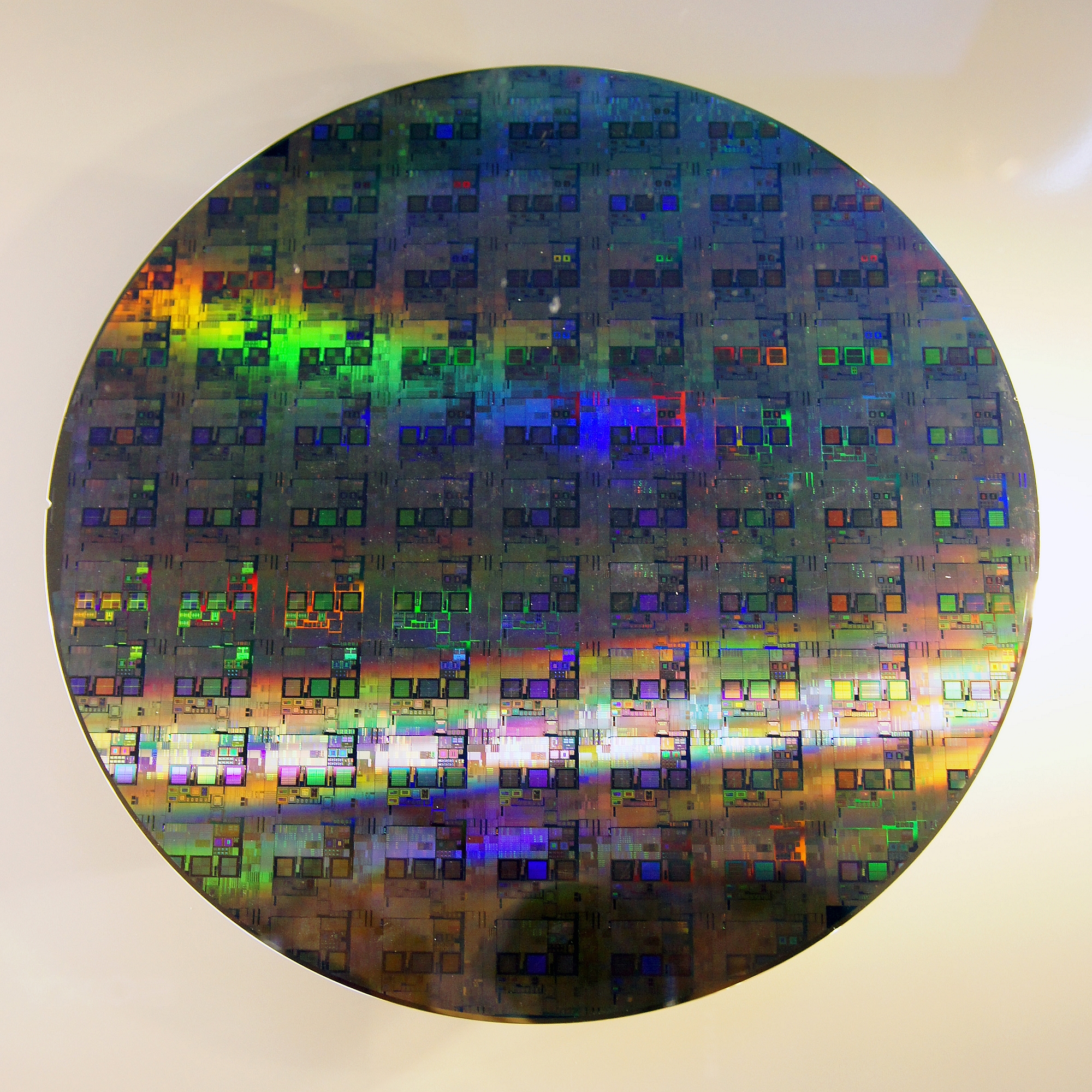
Several chip-design technologies are also included, among them designs for AI processors and memory chips. The list adds 12 solar-related technologies, including polysilicon production, and five biomedical technologies that involve cell and gene therapy.
The draft was released on Friday and can still be revised. Analysts said it could answer Western demands for control of key technologies while adding short-term adjustment costs for Chinese firms that are seeking overseas markets, and they flagged uncertainty over how open-weight AI technologies would be treated.
Lian Jye Su of the research firm Omdia said the move could respond to Western sovereignty requirements for key technologies. Gary Ng, an economist at Natixis, said access to technology was becoming increasingly fragmented along with global trade and investment.
The proposal lands as China and the United States discuss AI safety, governance and a possible mechanism to notify each other about AI incidents that threaten national security. US restrictions have already limited China's access to advanced AI chips and chipmaking equipment. In June, Washington also sought to restrict foreign nationals' access to certain powerful Anthropic AI models, a step that was later lifted.