ScrollBeat

Bangladesh now has until 24 November 2029 to leave the United Nations’ least developed country category, after the General Assembly approved an extra three years of preparation. The decision gives exporters and policymakers more time to prepare for changes to trade benefits, but it also brings pressure to show that banking, revenue and business reforms are moving.
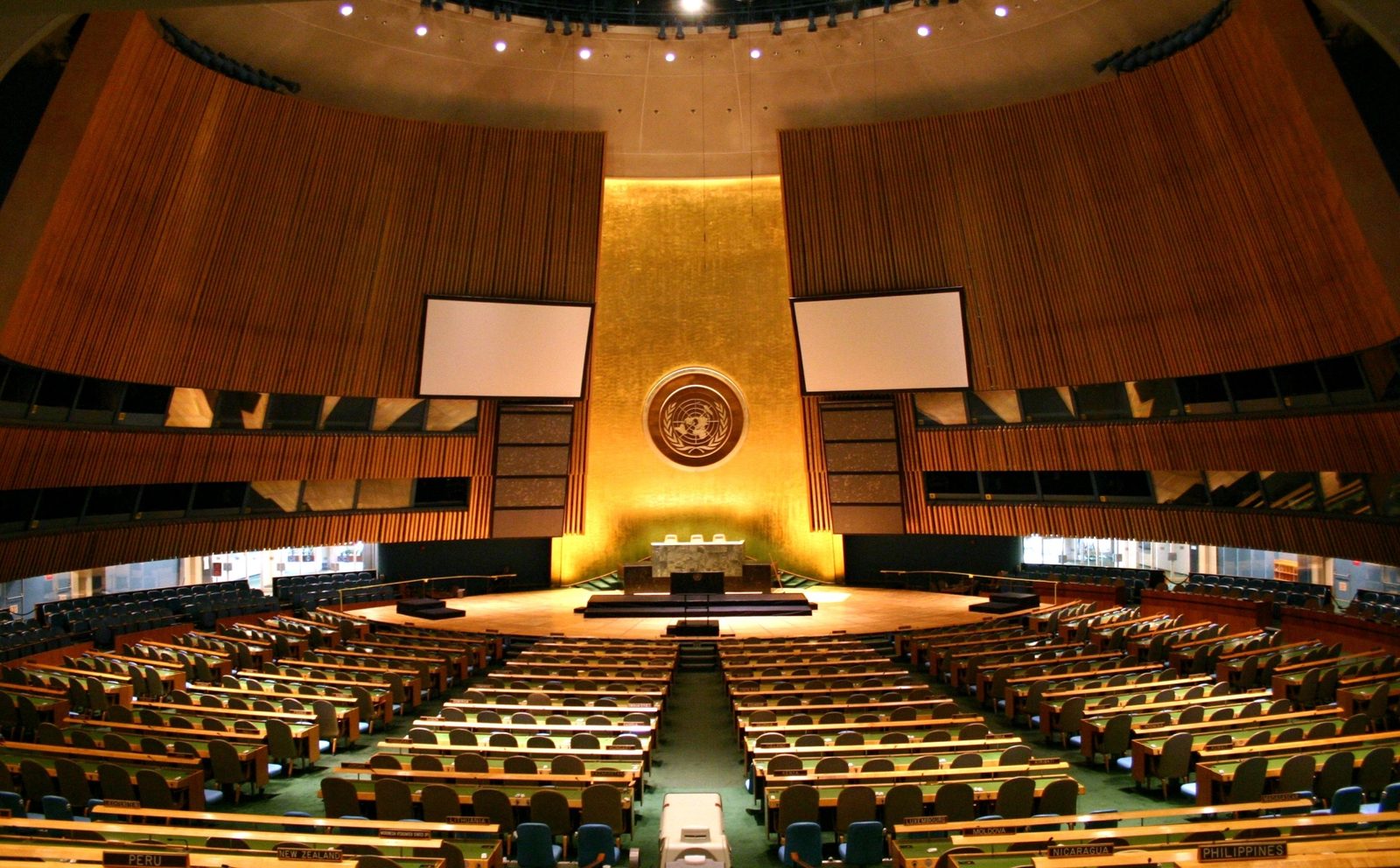
The General Assembly adopted the extension on 29 October in New York, according to separate reports by BSS and Prothom Alo. Nepal also received additional time. Bangladesh had previously been due to graduate on 24 November 2026, so the decision comes less than a month before that deadline.
The practical significance reaches beyond a change in international classification. LDC status supports preferential access to export markets and special treatment in areas including pharmaceutical patents and subsidies. Keeping that status for longer gives businesses more time to adjust production and trade plans. It does not, by itself, resolve the energy shortages, financial weaknesses or investment barriers that the government cited in seeking the delay.
Prothom Alo reported that France, Canada and Ireland, speaking for the European Union, supported the extension while stressing the need for reforms. No participating country opposed the proposal, the newspaper said. It also reported that the UN would assess Bangladesh’s preparation at the end of 2027 and regarded the extension as an exceptional measure rather than a precedent for other countries.
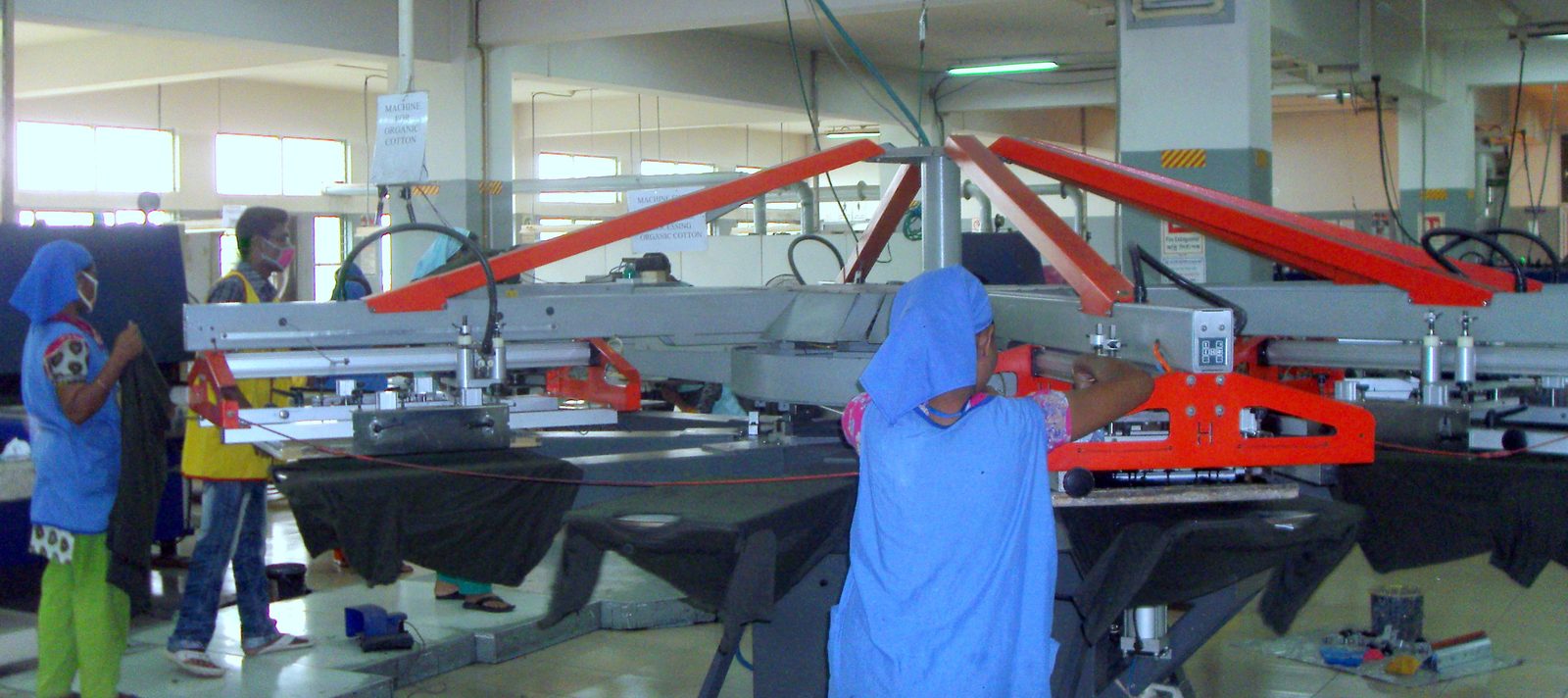
Business leaders welcomed the breathing space but warned against using it as an excuse to wait. Md Fazlul Hoque, administrator of the Federation of Bangladesh Chambers of Commerce and Industry and a former leader of the knitwear exporters’ association, told Prothom Alo that work had to continue throughout the three years. He said preparations needed to cover leather, plastics and agricultural and processed food exports as well as garments and pharmaceuticals.
Hoque said the federation would begin work on those issues in November. His argument points to a central challenge: preparing for graduation requires a wider export base, rather than relying mainly on the industries that already dominate discussions about market access.
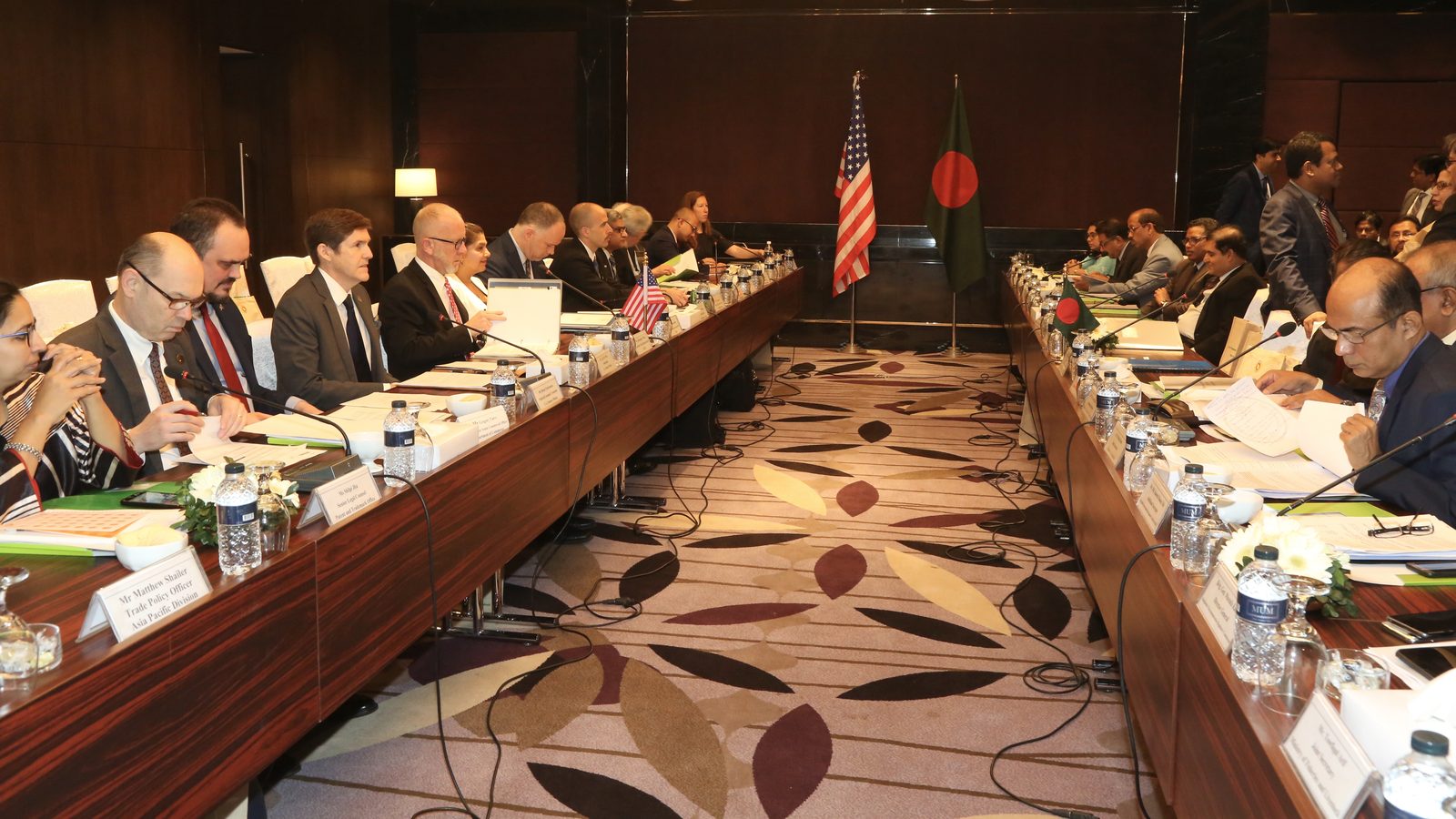
The government requested the extension in February. BSS reported that Commerce Minister Khandakar Abdul Muktadir and the Economic Relations Division pursued the case through discussions with the UN, trading partners and business representatives. The government argued that domestic disruption and successive global shocks had interrupted preparations and that more time was needed to stabilise the economy and carry out its transition strategy.
According to BSS, the minister has identified energy security, banking reform, easier business procedures and stronger institutions as priorities. He has also called for free trade negotiations with the European Union to be completed before graduation. Those are objectives for the preparation period; the extension is not evidence that the reforms or trade agreements have already been delivered.
Bangladesh entered the LDC category in 1975. Prothom Alo reported that it met all three graduation criteria in the 2018 and 2021 assessments, covering income, human assets and economic vulnerability. The current question is therefore how to make the transition durable while protecting the economy from the loss of benefits associated with its existing status.
The precise effect on individual exporters and medicine producers will depend on the rules that apply to their products and markets. Neither report establishes a single timetable for every benefit to end, and continued LDC status should not be read as a guarantee of unchanged costs or prices for consumers.
The next test is implementation. The end-2027 assessment offers an earlier checkpoint than the final graduation date. Before then, businesses and the government will need to demonstrate progress on the reforms and diversification they say the extra time is meant to support.