 ScrollBeat

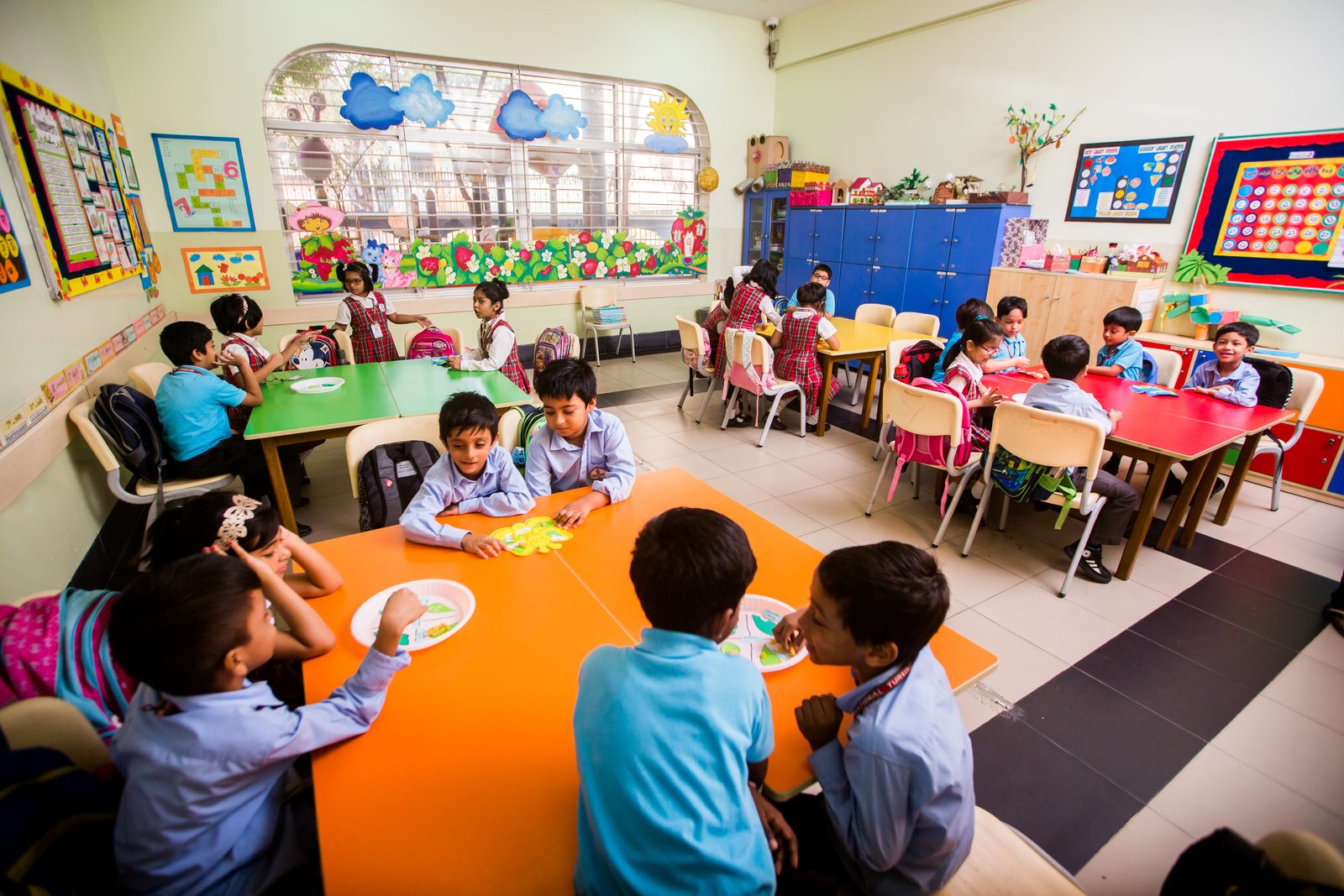
Bangladesh is losing students at almost every stage of its education system, according to the BANBEIS report Education Statistics 2025. The primary-cycle dropout rate rose to 16.25 per cent in 2024 from 13.15 per cent in 2023, while the secondary dropout rate climbed to 14 per cent in 2025 from 9.9 per cent a year earlier.
The pattern differs by sex. At primary level, boys left at a higher rate of 19.02 per cent; at secondary level, girls were more likely to drop out, at 14.5 per cent against 13.4 per cent for boys. Net enrolment in primary education fell to 94.55 per cent in 2024 from 97.76 per cent in 2023. The share of primary graduates who moved on to Grade Six dropped to 81.29 per cent in 2025 from 84.2 per cent, which means roughly one in five did not make the step up.
At secondary level, net enrolment fell to 65.1 per cent in 2025 from 70.02 per cent. For boys the figure was only 58.04 per cent, so more than four in ten boys of secondary-school age were not enrolled in general secondary education. Overall secondary enrolment fell by more than 408,000 in a year, to 8.638 million in 2025, even as the number of schools rose, Prothom Alo reported from the same BANBEIS data.
The flow of students is not uniform across types of institution. Madrasa enrolment rose to about 2.84 million from 2.796 million, and English-medium schools enrolled 29,672 students, up 595. Enrolment at independent technical and vocational institutes fell to about 650,000 from more than 676,000, despite the government's target of lifting the technical share to 30 per cent by 2030.
Participation thins further at the top. Gross enrolment in tertiary education slipped to 19.8 per cent in 2025 from 20.03 per cent, with 23.93 per cent for men and 16.52 per cent for women, giving a gender parity index of 0.87. The report also counted 5,631 educational institutions affected by disasters in 2025, with 48,246 students dropping out as a result.
BANBEIS does not explain why students are leaving. A BANBEIS official told Prothom Alo that the report was compiled from information supplied by institutions and that the reasons had not been analysed separately. Teachers and researchers point to learning loss after the covid pandemic, children entering the workforce, child marriage and household financial pressure. A Dhaka education board survey of 1,350 candidates who missed the SSC examinations found that 549 of them, about 41 per cent, had married, and 97 per cent of those were girls.
The issue was raised at a national dialogue on primary education in Dhaka on 19 October. State Minister for Planning Md Zonayed Abdur Rahim Saki said total enrolment in the country, excluding Qawmi madrasas, stands at about two crore this year, while only about 18.5 lakh students sat the SSC examinations. He described that gap as evidence of the scale of the dropout problem and said poverty and the opportunity cost of schooling were major causes, with many children from low-income families starting work early.
Saki called for quality midday meals, a more enjoyable school environment, sports and extracurricular activities to keep children engaged, and said the government aims to raise education spending to 5 per cent of GDP in phases, with 2 per cent allocated in the first fiscal year. State Minister for Primary and Mass Education Bobby Hajjaj told the same event that the government is prioritising five areas: curriculum, teachers, monitoring, infrastructure and technology. He said a new curriculum is planned for 2028, a teacher policy is being drafted, and an 11-step school inspection system is being introduced.
Civil society groups want faster action on the family-level causes. Dr Mostafizur Rahaman, deputy director for research and advocacy at the Campaign for Popular Education, said the midday meal programme should be made universal at primary level and stipends increased. Poor families should get priority in family-card distribution, he said, and local government bodies should be brought into the effort. At secondary level he called for larger stipends, especially for girls, and for safety at school and on the way to school, along with stronger action against child marriage and eve-teasing.
Several questions remain open. The BANBEIS report gives no district or income breakdown of who is leaving, and neither the ministry nor the directorate has published a costed plan or a timetable for raising stipends. It is also not yet clear whether the 2028 curriculum and the teacher policy will be ready on schedule. Professor SM Hafizur Rahman of the Institute of Education and Research at Dhaka University said in-depth research is needed to understand the decline and the trends behind it before authorities act on the findings.
What happens next will be watched closely, because the dropout figures sit behind the government's wider promises on skills and jobs. Recommendations from the dialogue are to go to the ministries, directorates and development partners, and the next BANBEIS edition will show whether the decline has slowed. For now, the data points in one direction: more children are leaving school earlier, and the system is not replacing them at the same rate.