ScrollBeat

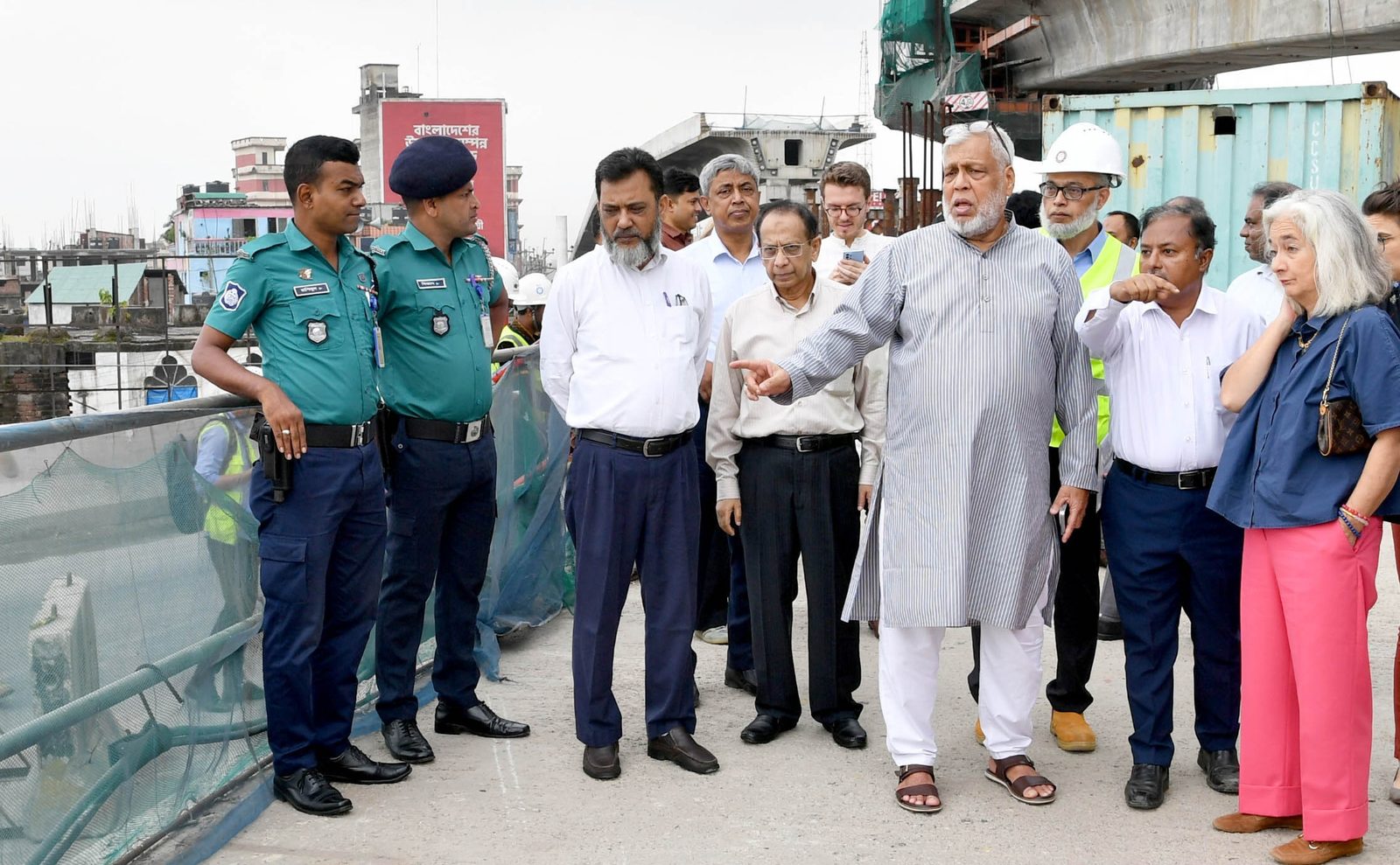
Bangladesh has abandoned the Gazipur-Airport Bus Rapid Transit project, its first dedicated BRT line, after 14 years of construction and about Tk 2,810 crore in spending. No dedicated bus ever carried a passenger on it.
The decision was taken at a cabinet meeting chaired by Prime Minister Tarique Rahman on Sunday, 18 October, according to a Road Transport and Highways Division letter issued the next day. The letter, signed by Deputy Secretary Taslima Ahmed Poli, says the 20.5 km corridor will be converted into a six-lane road with three lanes in each direction. BRT stations, concrete lane dividers and related works are to be dismantled, and two existing two-lane overpasses may be widened to four lanes.
The cabinet also decided to dissolve Dhaka Bus Rapid Transit PLC, the company created to operate the service, and hand its responsibilities to the Roads and Highways Department. Officials have been asked to submit an initial progress report within 15 days and to update the division by the third day of every month until the decisions are carried out. Before the project is formally closed, the authorities must consult its development partners and settle legal and contractual questions.
The project was approved in November 2012 and was to be finished by December 2016 at a cost of Tk 2,037.9 crore. Repeated revisions pushed the estimate to Tk 4,268.32 crore. The government, the Asian Development Bank and France's Agence Francaise de Developpement financed it. By December 2024, about 97 percent of the infrastructure work was complete and overall physical progress stood at 77.48 percent, but the project expired that month without an extension. The dedicated lanes were later opened to general traffic, and two attempts to procure buses failed.
In July 2025, the Executive Committee of the National Economic Council rejected a proposal to raise the cost to Tk 6,598 crore and extend the deadline to December 2029. It ordered an investigation into the project's design and feasibility study instead. The government then weighed four choices: completing the BRT, running route-franchised buses, building a toll expressway or turning the corridor into a conventional highway. The cabinet chose the last option.
A review team from Bangladesh University of Engineering and Technology had recommended dropping the bus service, citing design flaws and limited capacity, and suggested using the existing infrastructure for general traffic. The panel was led by Professor Samsul Haque, who told Dhaka Tribune that even if buses had run, Gazipur residents could have travelled only as far as the airport before changing again. The panel also called for accountability among the consultants, officials and agencies involved. In October 2025, the interim government had already decided against starting the service, saying it would need more time and money.
The cancellation has drawn criticism. The Bangladesh Institute of Planners called it a "black day" for sustainable and inclusive public transport and demanded that it be withdrawn. The institute said the decision contradicted the Gazipur Transport Master Plan and the Revised Strategic Transport Plan for Dhaka, favoured private car users and the construction sector, and ignored the needs of people in Gazipur and Uttara who endured years of disruption. Gazipur Heritage and Development warned that dismantling nearly finished infrastructure would waste public money and add to commuters' suffering.
A Gazipur-based citizens' platform also opposes the move. Its president, Md Shamsul Haque, said the group would protest formally, arguing that most of the construction is already done. Dhaka Tribune reported that the institute has previously estimated that dismantling the works and compensating contractors could cost more than Tk 1,000 crore, although no final figure has been published.
The project, designed for about 25,000 passengers a day, was also marred by deaths at the construction site. The Daily Star put the toll at at least six, including a worker killed when a crane fell in Gazipur in July 2022 and five men killed in Uttara when a girder dropped onto a car. Dhaka Tribune reported seven deaths.
Several questions remain unanswered. The government has not said what the closure will cost, who will pay for removing the stations and dividers, or whether the Asian Development Bank and the French agency have agreed to the change. The timetable for demolition and road widening is also unclear, as is the fate of outstanding contractor claims. Officials have not explained whether the new six-lane road will reserve any space for buses, or whether anyone will be held responsible for the failure.
What happens next will be watched closely in Gazipur, where the highway has been narrowed by construction for more than a decade. The roads department is due to report progress within a fortnight and every month after that, while the government settles terms with lenders and contractors. For commuters, the promised rapid service will remain a project that never carried a passenger.