ScrollBeat

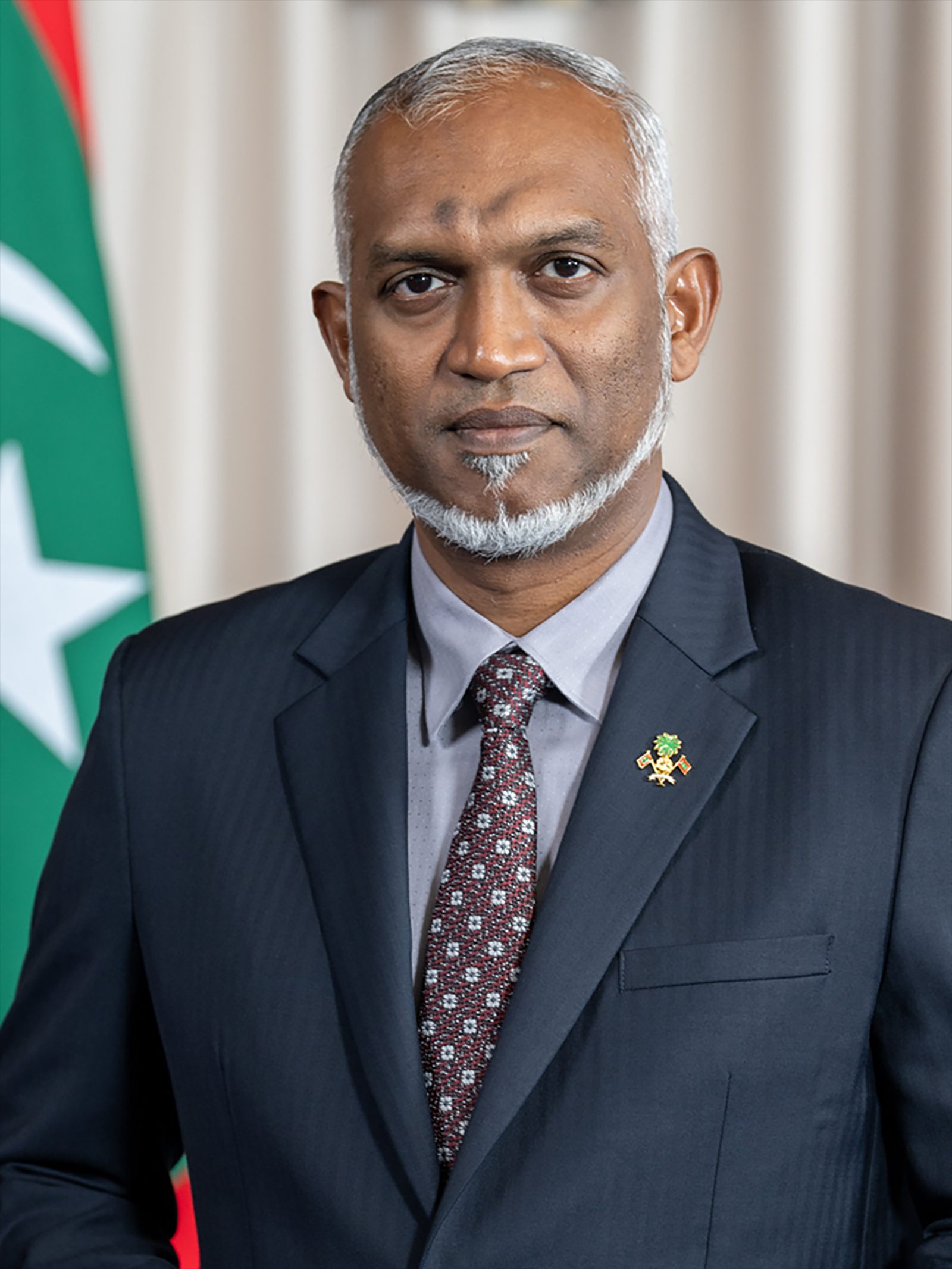
Maldives President Mohamed Muizzu and Pakistan's Prime Minister Shehbaz Sharif oversaw the signing of a series of agreements in Islamabad on 21 October, as the two countries marked the first visit by a Maldivian president in 11 years.
The deals cover defence, maritime security, information technology, cybersecurity, artificial intelligence, health, education, social protection, agriculture, fisheries, tourism and the environment, according to Prothom Alo. The two sides also agreed to cooperate against drug trafficking and to link the Maldives State Trading Organisation with the Trading Corporation of Pakistan for trade in agricultural and food products. Pakistan will provide technical support for the Maldives' IT sector.
At a joint press conference after the signing, Sharif said the two governments would accelerate efforts to expand bilateral trade and had set a target of $200 million within two years. He said Pakistan would help the Maldives develop its technology workforce. The two leaders also witnessed the exchange of the documents at the ceremony.
Muizzu arrived on 20 October with First Lady Sajidha Mohamed and a delegation led by Foreign Minister Iruthisham Adam. He was given a 21-gun salute at Islamabad International Airport. On 21 October he received a ceremonial welcome and a guard of honour at the Prime Minister's House, where the talks and the signing took place. He is also due to meet President Asif Ali Zardari, who will host a state banquet in his honour, and to attend a Pakistan-Maldives business forum.
In a post on X after his arrival, Muizzu thanked the government and "brotherly people" of Pakistan for the welcome. "I look forward to fruitful engagements that will further deepen our bilateral relations, strengthen our partnership, and advance the shared aspirations of our two nations," he wrote.
The last Maldivian president to visit Pakistan was Abdulla Yameen Abdul Gayoom, who travelled to Islamabad in May 2015. This visit coincides with the 60th anniversary of diplomatic relations, established on 26 July 1966. Pakistan's Foreign Office said the two leaders would review the whole range of bilateral relations and exchange views on regional and international developments. It listed trade, investment, health, education, tourism, agriculture, defence, maritime security, climate change and people-to-people exchanges as areas for closer cooperation.
The defence and maritime security provisions will be watched closely in South Asia and the Indian Ocean, where the Maldives has balanced ties with India and China. For Pakistan, the visit is an opening to deepen relations with a small but strategically placed fellow Muslim-majority state. For the Maldives, it adds another partner as the government seeks trade, investment and technical help beyond its traditional relationships.
Several details remain unclear. The accounts available do not give the exact number of agreements or their full texts, the scope of the defence cooperation, the timelines for implementation or whether any of the documents need parliamentary approval. Reports of current two-way trade also differ, making it difficult to judge how ambitious the $200 million target is. Officials have not said how the new agreements will be monitored or what happens if the trade goal is missed.
The state visit ends on 22 October. Business leaders from both countries are due to continue talks at the Pakistan-Maldives Business Forum, and officials are expected to publish more details of the agreements after the visit. For now, the public record consists of the signing ceremony, the leaders' statements and the lists of areas the two governments say they will work on together.