Project officials say reactor power will be raised gradually from about 25 October, with the first trial supply to the national grid possible once output reaches roughly 35 per cent.
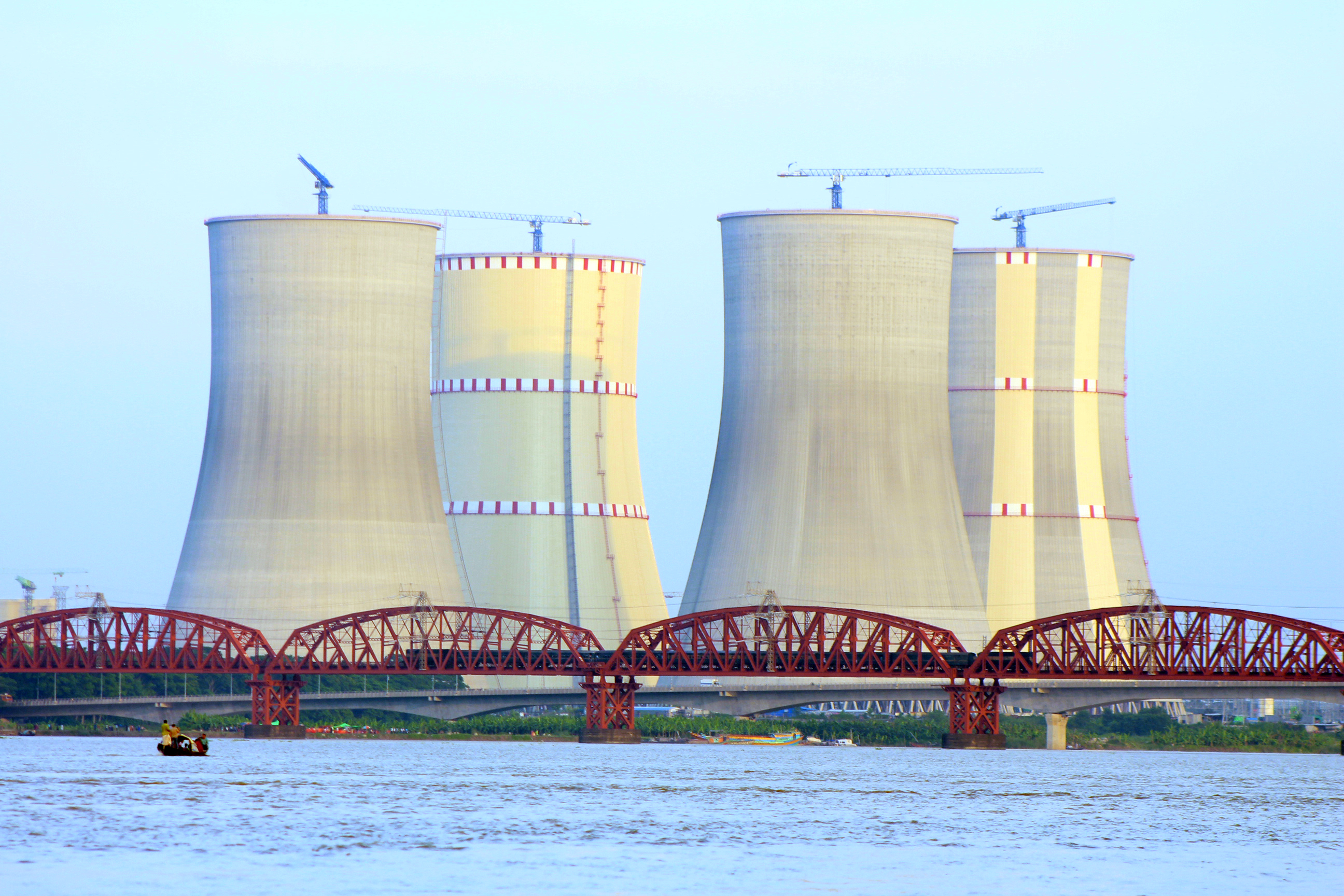
Bangladesh's first nuclear power plant is moving into its power start-up phase, a step that could eventually put the first Rooppur electricity on the national grid, project officials said.
A project official told Dhaka Tribune that the start-up would begin at zero to one per cent of power, likely on 25 October, and then rise in stages. Reaching about 35 per cent of capacity could take around 40 days if tests go to plan, which would allow an initial supply of about 300 megawatts in December.
The Bangladesh Atomic Energy Regulatory Authority approved the B-2 sub-stage for Unit 1 on 8 October, clearing the first controlled nuclear reaction. Unit 1 reached first criticality at 3:34pm on 11 October, meaning the reactor began a self-sustaining chain reaction at very low power.
Before any electricity reaches the grid, operators must complete reactor physics tests, raise thermal power, synchronise the turbine and obtain a trial operational licence from the regulator. The power start-up comes first; trial operation, known as Stage D, follows and could last around 10 months.
During that trial phase, output will be raised and lowered to test the plant and the grid's ability to absorb it, and the reactor may be shut briefly for checks. Bangladeshi operators will work alongside the Russian contractor during the period.
The International Atomic Energy Agency will send an Emergency Preparedness Review mission to Bangladesh from 8 to 18 November. Science and Technology Ministry secretary Md Anwar Hossain said the country needs coordinated agencies, trained staff, written guidelines and round-the-clock radiation monitoring to meet international standards.
Rooppur has two Russian-designed VVER-1200 units, each with a capacity of 1,200MW. Once both are running, the plant is meant to supply 2,400MW. The project has been delayed more than three years, and its cost has risen to about Tk 1.39 trillion, largely because of the taka's fall against the dollar.
Officials have stressed that December is a target, not a fixed date. A single failed test could force engineers to correct the problem and repeat the check, pushing the commissioning schedule back.
 ScrollBeat