ScrollBeat

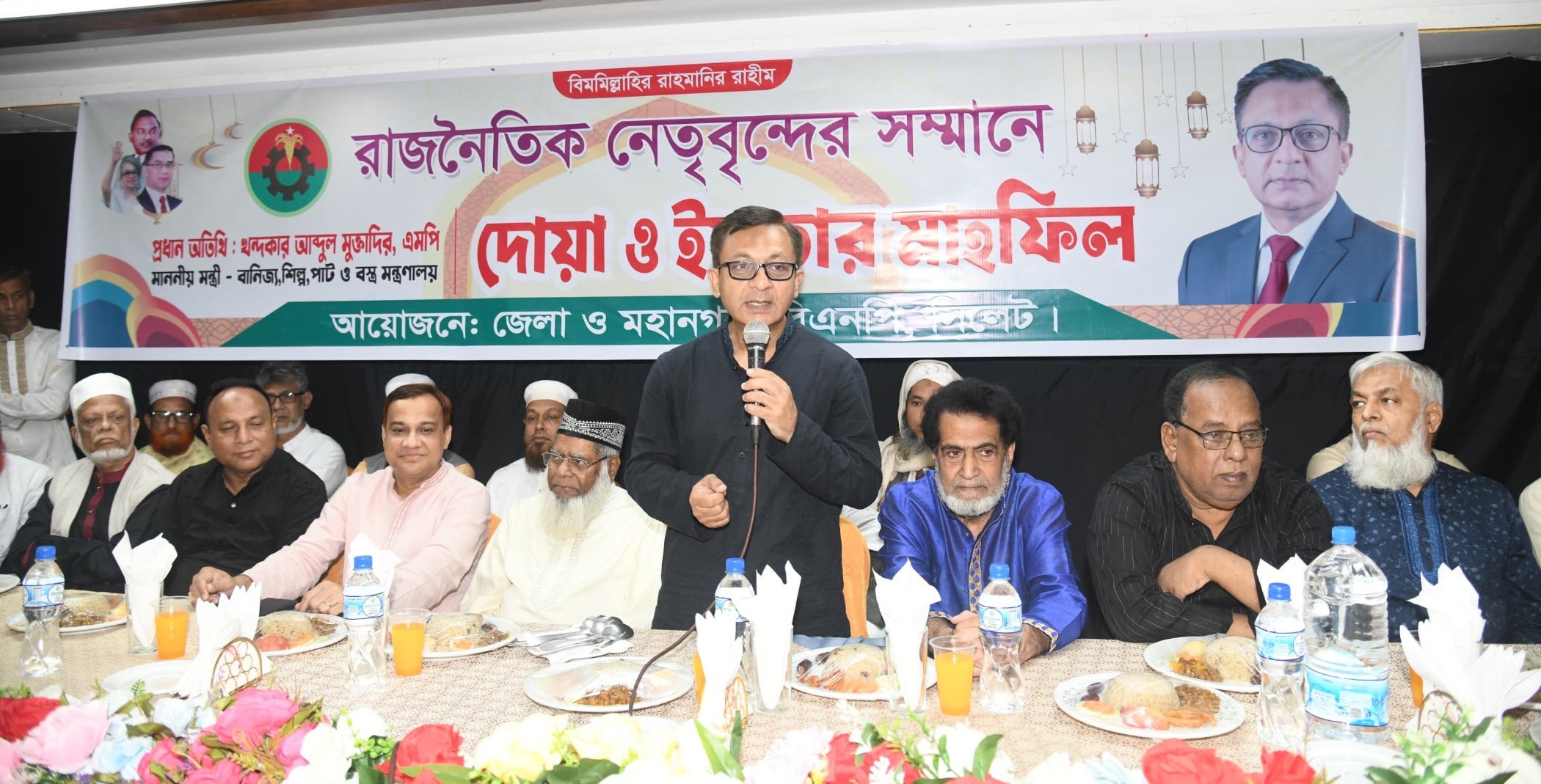
Bangladesh expects a decision this month on its request to postpone graduation from least developed country status by three years, Commerce Minister Khandakar Abdul Muktadir said on Monday.
The country is currently due to leave the LDC list on 24 November. Dhaka has asked the UN Economic and Social Council for more time after clearing the Committee for Development Policy, the minister told a seminar in Dhaka.
"I am very optimistic that we will see a resolution of the matter next week or the week after," he said, adding that he expected an answer before the November deadline.
Muktadir said the European Union and other relevant parties had agreed to the extension. That account has not been confirmed by the EU or the UN, and no decision has been announced.
Bangladesh began preparing for graduation in 2018, with the exit originally planned for 2024. The timeline was pushed back by two years because of the COVID-19 pandemic. The current BNP-led government wrote to the UN soon after taking office in February, and Prime Minister Tarique Rahman raised the issue with the UN secretary-general in April.
As an LDC, Bangladesh enjoys duty-free and quota-free access to European markets. Those preferences are expected to end after graduation, which is why Dhaka is seeking more time and is negotiating new trade deals.
Muktadir said the government has given the EU a time-bound plan for using any extension. It aims to complete comprehensive economic partnership agreements or free trade agreements with eight to 10 countries in 2026 and 2027, and has appointed a chief negotiator for talks with the EU. Bangladesh is also pursuing membership of the Regional Comprehensive Economic Partnership.
The minister said poor preparation, rather than the loss of trade benefits alone, was the main reason for seeking a delay. He argued that graduation had been treated as a political milestone without enough work on the economic risks that follow.
He also pointed to the cost of doing business. Entrepreneurs need an average of 355 days to complete steps from a trade licence and bank account to initial clearances, an import registration certificate and a letter of credit, he said. The government plans a single online portal for trade licences, a fully online company registry and longer validity for some permits, with the aim of cutting the time by 2027.
On investment, Muktadir said unreliable energy remains a major obstacle. The government is working on additional floating LNG terminals, new gas wells and more solar generation, he said, while warning that weak storage for fuel and essential goods leaves Bangladesh exposed to global supply shocks.