 ScrollBeat

Saudi Arabia said drone attacks hit two sites in its east on Wednesday night, killing three people in total: one at King Fahd International Airport in Dammam and two at an Aramco oilfield in the Empty Quarter. The attacks came as the United States ordered diplomats and their families to leave the kingdom.
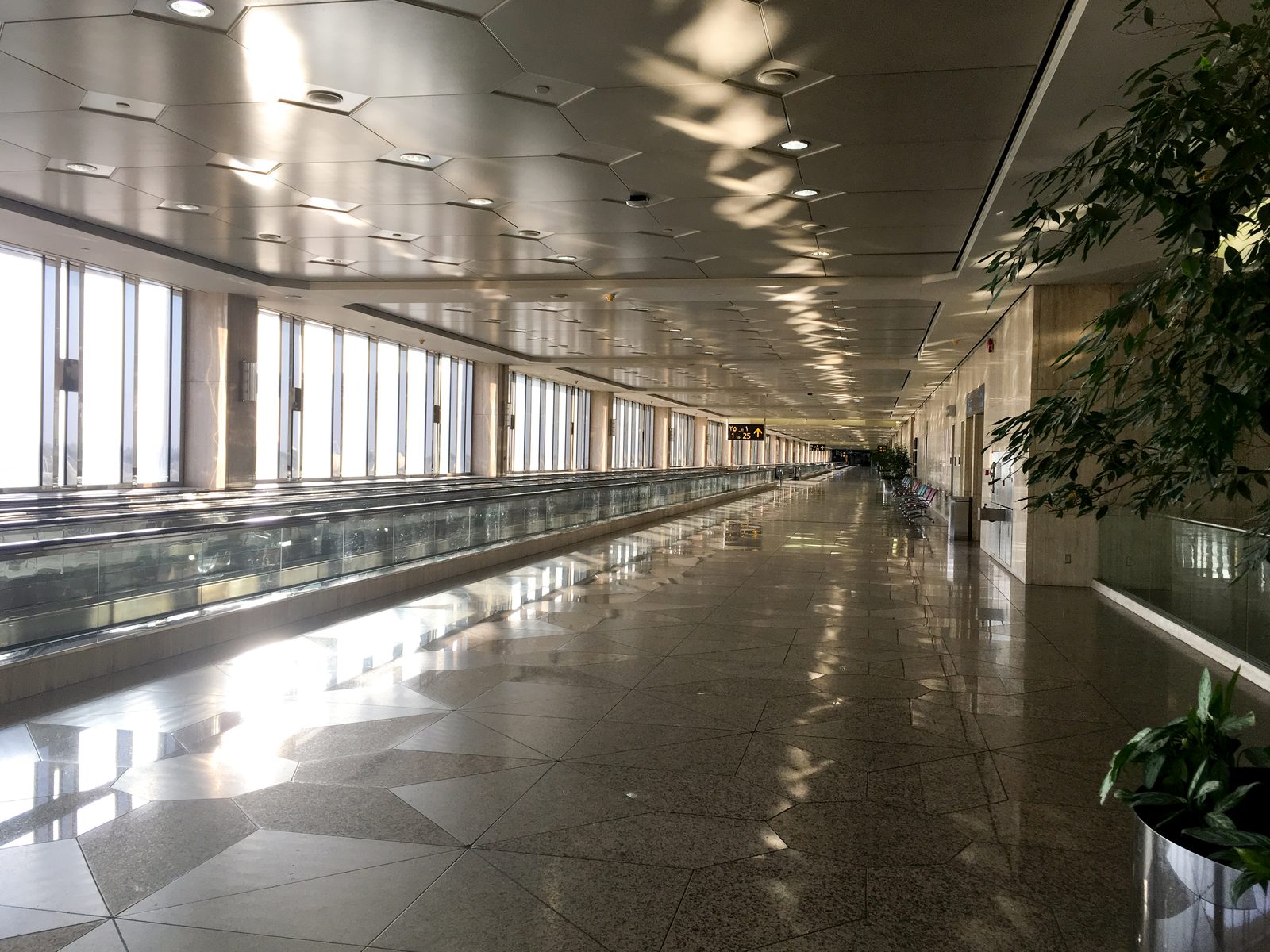
The General Authority of Civil Aviation said one person was killed and eight injured at the Dammam airport, which serves Saudi Arabia's eastern province and sits close to Bahrain and Qatar. The wounded were taken to hospital with injuries ranging from minor to critical, the authority said, and the airport suffered material damage. Flight-tracking service Flightradar24 said flights were diverted away from the airport. The Guardian reported that the person killed was a Saudi resident.
In a separate statement, the energy ministry said Saudi air defences intercepted a drone that was trying to hit a processing facility at the Shaybah oilfield. Falling debris struck a vehicle belonging to a contractor working outside the facility's perimeter and started a fire, the ministry said. Two residents were killed, one Filipino and one Nepali, and two others were injured, one Pakistani and one Indian. The ministry said oilfield operations were not affected and offered condolences to the families of the dead.
No group immediately claimed either attack. The Houthi movement in Yemen has fired missiles and drones at Saudi airports and oil installations repeatedly in recent weeks, and Yemen's internationally recognised government, which Saudi Arabia backs, accuses the group of carrying out the strikes. Saudi officials have blamed the Houthis for the earlier attacks. Wednesday's drones had not been attributed by any side at the time of writing.
The attacks are part of the most serious escalation against Saudi civilian infrastructure in years. On 10 October, a strike on Riyadh's King Khalid International Airport killed 12 people and injured more than 300, according to the Saudi civil aviation authority. A day later, another projectile hit the same airport, killing one person and injuring 11. The Guardian described the 10 October attack as the kingdom's deadliest in years.
The wider war behind the strikes began earlier this year between the United States and Israel on one side and Iran on the other. The Houthis, who are aligned with Iran, have used the conflict to step up attacks on Saudi Arabia, which supports the Yemeni government. The Guardian reported that US and Israeli officials have drawn up plans for a short, intensive operation against Iran after the US midterm elections on 3 November, though President Donald Trump has said publicly that he does not intend to restart the war before the vote.
The US State Department ordered the departure of some diplomats and the families of government employees from its embassy in Riyadh and its consulates. "The safety and security of department personnel and their families remain our highest priority," spokesperson Tommy Pigott said. The embassy in Riyadh also issued a security alert warning of possible further Houthi attacks. Reports that families were being withdrawn from US missions in the UAE, Jordan, Qatar and Bahrain were described by Pigott as inaccurate; he said the order covered Saudi Arabia only.
The escalation matters acutely in Dhaka. Saudi Arabia hosts more than 3.2 million Bangladeshis and is the country's largest overseas labour market, according to Dhaka Tribune. Many work in construction, cleaning and domestic service.
Bangladeshis have already been caught in the strikes. Two Bangladeshis were among the 12 people killed at Riyadh airport on 10 October, and 24 others were injured, including 11 migrant workers and 13 Umrah pilgrims, according to Bangladesh's foreign and expatriates' welfare ministries. No Bangladeshi was reported among the three people killed on Wednesday; the Saudi energy ministry identified the dead at Shaybah as Filipino and Nepali nationals, and the Dammam victim as a Saudi resident.
The attacks have also disrupted travel between Bangladesh and Saudi Arabia. Twelve direct Riyadh-bound flights were cancelled in the days after the 10 October strike, including four by Biman Bangladesh Airlines, and 5,418 passengers were affected, Dhaka Tribune reported, citing aviation authorities. Biman suspended Dhaka-Riyadh flights through 17 October and US-Bangla through 21 October.
Bangladesh's embassy in Riyadh issued an emergency advisory on 12 October urging expatriates to stay alert, avoid high-risk and crowded places and follow instructions from Saudi authorities. It also warned that recording, storing or sharing images and information about the conflict on social media is punishable under Saudi law, and gave hotline numbers for labour, passport and death-related emergencies.
What remains unknown is who launched Wednesday's drones and whether the Houthis will claim responsibility. It is also unclear whether the US drawdown will widen, whether Saudi airports will face further closures and how quickly airlines can restore Dhaka flights. For Bangladeshi families, the immediate questions are whether the embassy issues a fresh advisory, whether workers due to travel can reach their jobs before visas and permits expire, and whether the disruption begins to show in remittances. Saudi authorities say damage at the two sites is being assessed and that oil operations continue.