 ScrollBeat

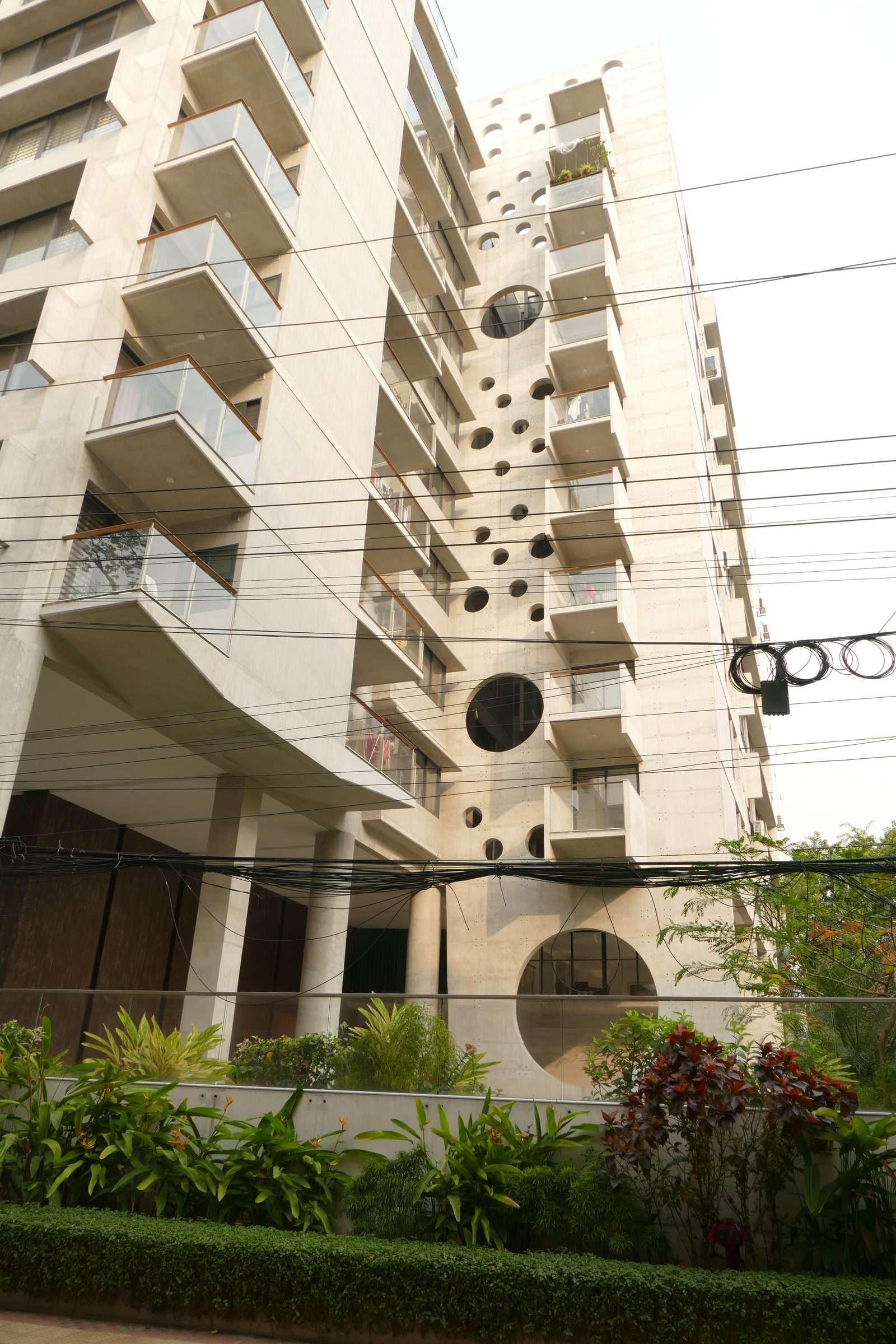
Bangladesh’s real estate industry association has urged the government to regulate share-based flat sales, warning that buyers’ savings could remain tied up in disputes over land, construction and ownership. REHAB says about 40,000 people have already been affected, although that estimate has not been independently established in the reports reviewed.
REHAB President Ali Afzal presented the warning at a press conference at Dhaka’s CIRDAP auditorium on Sunday, 8 November. Prothom Alo and a UNB report carried by The Financial Express described the association’s demands for tighter checks before developers collect money and for independent audits of projects already under way.
The association estimates that roughly Tk12,000 crore is involved in existing disputes. It also warned that Tk50,000 crore could become entangled in litigation and other legal complications within two to three years without intervention. The larger figure is REHAB’s forecast of money at risk, rather than a confirmed amount already lost by buyers.
At the centre of the warning is a model in which people buy a share of land with the promise of receiving a flat of a specified size once construction is completed. REHAB argues that ownership of an undivided portion of land does not, by itself, settle which apartment a purchaser will receive or ensure its eventual registration.
Afzal alleged that some operators collect funds without providing clear evidence of land ownership, approved building plans, construction rights or the capacity to complete the work. The association also raised allegations of the same land or building being sold to multiple buyers. These are claims by the industry body, not findings against every project using joint ownership.
The risks can extend beyond a delayed handover. REHAB said disagreements among co-owners can obstruct construction, allocation of flats, possession, registration and maintenance. It also warned of later complications involving bank mortgages, resale and inheritance. For a household buying into a project, those unresolved arrangements can affect both its future home and the ability to recover its investment.
REHAB called for verification of ownership, liabilities, registration, approved designs and the legal right to build before money is collected. It sought independent legal and technical audits of existing projects, transparent accounts covering collections and construction spending, and supervision by qualified architects and engineers. It also demanded investigations and action where evidence supports allegations of forged documents, multiple sales or misuse of funds.
The association has a commercial stake in the debate: Afzal said compliant housing companies face unfair competition from cheaper offers made by operators who avoid regulatory obligations. At the same time, he said REHAB does not oppose lawful joint ownership or transparent investment. Its stated demand is for enforceable safeguards around promises to deliver a particular flat.
Important details remain unresolved. The two reports give different totals for pending court cases, so no case count is used here. Neither provides a response from regulators or the operators criticised, or establishes a government decision to accept REHAB’s proposals. The next question is whether authorities will announce an audit, new controls or enforcement measures, and how any action would protect people who have already paid.