 ScrollBeat

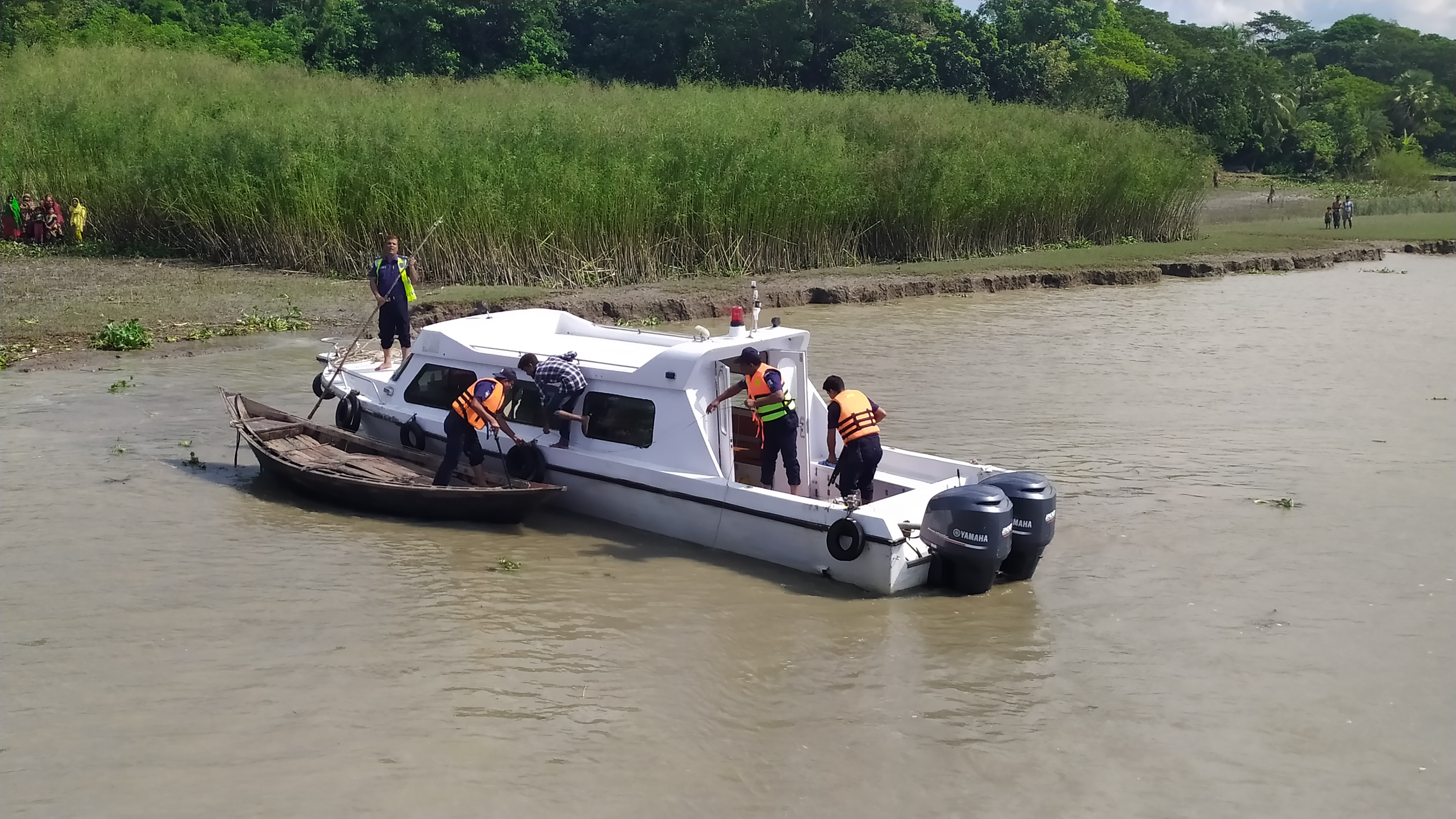
Fishing crews attacked a government team protecting mother hilsa on the Padma river in Shariatpur on Monday morning, injuring two members of the fisheries department and forcing the team to withdraw, officials said.
The incident happened around 9:00am at Char Kolikal in Palerchar union of Zajira upazila, during a drive that ran from 4:00am to 12:30pm. The team detained 41 fishermen and seized a boat, about 300,000 metres of banned current nets and 30 kilograms of mother hilsa, Shariatpur district fisheries officer Shwajit Kumar Deb said.
The drive was led by Shariatpur-1 MP Sayed Ahmed Aslam, who was travelling on a nearby speedboat. Fishermen hurled brickbats at his boat as well; the MP was not hurt.
According to the fisheries officer, the team found fishermen gathered at the char with boats and nets. The fishermen fled when the drive began, but as the team moved to seize nets and equipment left on the riverbank, a group returned carrying brickbats, sticks and machetes and attacked the boats. Additional river police and two army teams joined later, and the attackers scattered when the joint forces launched a fresh drive.
MP Aslam said he had received allegations that a syndicate was helping fishermen evade the ban by influencing the administration. He said most of those detained were not registered fishermen and had come from other districts, and that he had asked the authorities to investigate the allegations and take departmental action against anyone found responsible.
Saeed Ibn Reza, assistant superintendent of police for the river police's Chandpur region, told reporters that 27 cases had been filed in the area over illegal hilsa fishing in the past 12 days. He said he did not believe the allegations about the outposts were true, but that police would act if an investigation established them.
Bangladesh bans catching, selling, transporting and hoarding hilsa during the breeding season. This year's 22-day ban began on 8 October. District officials said 33,000 fishermen are registered in Shariatpur, and that rice has been distributed as food assistance to those who depend on the catch.