ScrollBeat

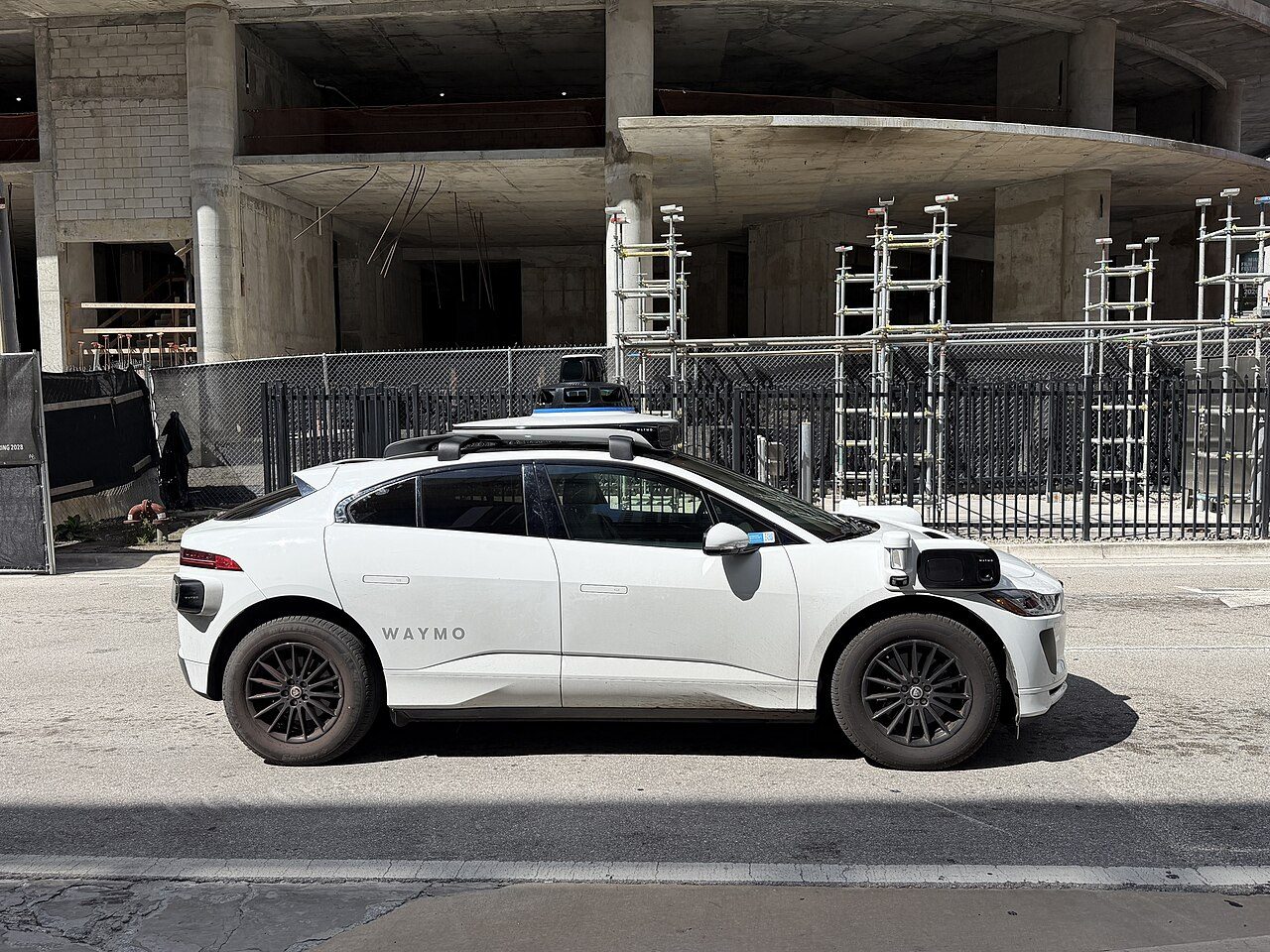
Waymo has paused driverless taxi rides on freeways across the United States after California regulators restricted the company’s highway operations over safety concerns involving construction zones.
The California Department of Motor Vehicles imposed the restriction on 11 November, although it became public on Tuesday, 17 November, TechCrunch reported. The Alphabet-owned company said it had also temporarily restricted freeway operations in its other markets while it evaluates performance. Its ride-hailing service continues on surface streets.
The decision followed incidents involving three Waymo vehicles entering an active construction closure on US Route 101 near Burlingame and a separate encounter involving California Highway Patrol vehicles on Highway 280 in San Francisco, according to the department’s account to TechCrunch.
The regulator said repeated entries into active work zones posed an imminent hazard to public safety. It said its restriction would stay in place until Waymo demonstrates that it has taken effective corrective action. Construction workers, vehicles and equipment can be present in such closures, making it important for an automated vehicle to recognise and respond to temporary traffic controls.
Waymo said the recent US 101 construction-zone encounters did not involve injuries or collisions. A company spokesperson told TechCrunch that Waymo was working with California’s regulator and other state officials to resume freeway operations. The company said it provides more than half a million rides each week on surface streets.
AFP, in a report published by Bangladesh Sangbad Sangstha, also reported the nationwide pause and said it affected other operating areas including Phoenix, Austin and Miami. The California order applies in that state; Waymo’s decision to pause freeway operations elsewhere was a separate company action.
Freeway access has been a significant step in the development of driverless taxi services. Waymo began offering such rides in late 2025, according to TechCrunch. Highways can shorten trips between cities, airports and other destinations, while surface-street routes may take longer. Passengers can still use the service where it operates, but the pause removes the faster highway option for now.
The company has faced questions about work-zone navigation before. TechCrunch reported that Waymo stopped highway operations in May and returned in July after saying it had updated its software to improve its response to freeway construction areas. California’s regulator said the latest restriction followed earlier corrective measures.
Waymo has cited its wider safety record, including a claimed reduction in serious crashes compared with human-driven vehicles, AFP reported. That company claim does not settle the regulator’s specific concern about repeated entries into active construction closures.
It is not yet clear what changes Waymo will make, how long the review will take or when freeway rides will return. California has tied the restriction to proof of effective corrections, and Waymo has said it is working with officials. Until those steps are completed, its vehicles will use surface streets in the affected markets.