ScrollBeat

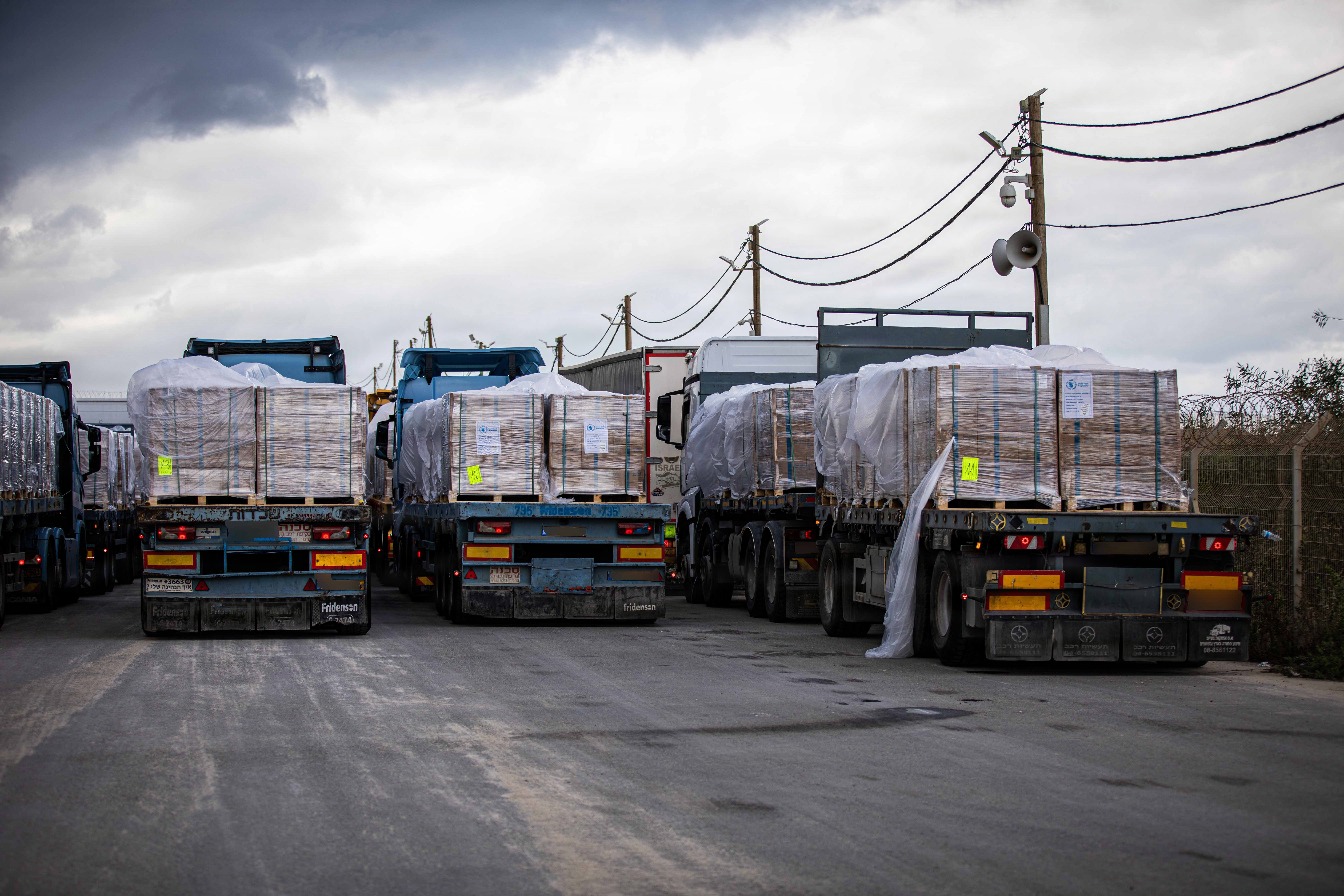
The World Food Programme will cut food assistance to about 500,000 people in Gaza this month, reducing its monthly reach from 1.6 million people to 1.1 million because of a funding shortage, the agency said on Monday.
Families will now receive one food parcel instead of two, with a smaller bag of wheat flour, and the value of cash assistance for 75,000 families has been reduced. The number of people given flour and ration boxes each month will fall from 1.1 million to 600,000, the BBC reported.
Hot meals will fall from 250,000 to 150,000 a day. Families in hard-to-reach areas near the Yellow Line, the line of Israeli military control inside Gaza, will receive a hot meal every other day instead of daily.
In the occupied West Bank, the WFP halved the number of people receiving assistance in September, from 400,000 to 200,000.
The agency says it needs $450 million to maintain operations in Gaza and the West Bank over the next six months, from October to March. It received less than half as much funding for its Palestine operation in 2026 as in previous years.
Carl Skau, the WFP's acting executive director, speaking from Gaza, said life there remained brutal a year into the ceasefire, with no proper shelter, basic services or safety, as families faced a fourth winter.
About 1.4 million people in Gaza, roughly two-thirds of the population, face crisis levels of food insecurity or worse, including nearly 200,000 people in emergency conditions in which they need immediate food assistance to avoid dying from hunger. Nearly all of Gaza's 2.1 million residents remain displaced, and two-thirds rely on food aid to survive.
Displaced families said the smaller rations would deepen an already severe shortage. "It's a disaster! What will we do with these reduced rations?" Mervat al-Satari, a mother of five, told the BBC.
For now, the agency says it can keep supporting bakeries that cover one-third of Gaza's bread needs, provide nutrition assistance to about 300,000 women and children and deliver school snacks to about 200,000 children. Cash transfers to some half a million people have already been reduced since July, leaving them with less money to buy food in local markets.
In the West Bank, the WFP says food insecurity is rising, mostly because of increased Israeli settler violence and Palestinian displacement.