ScrollBeat
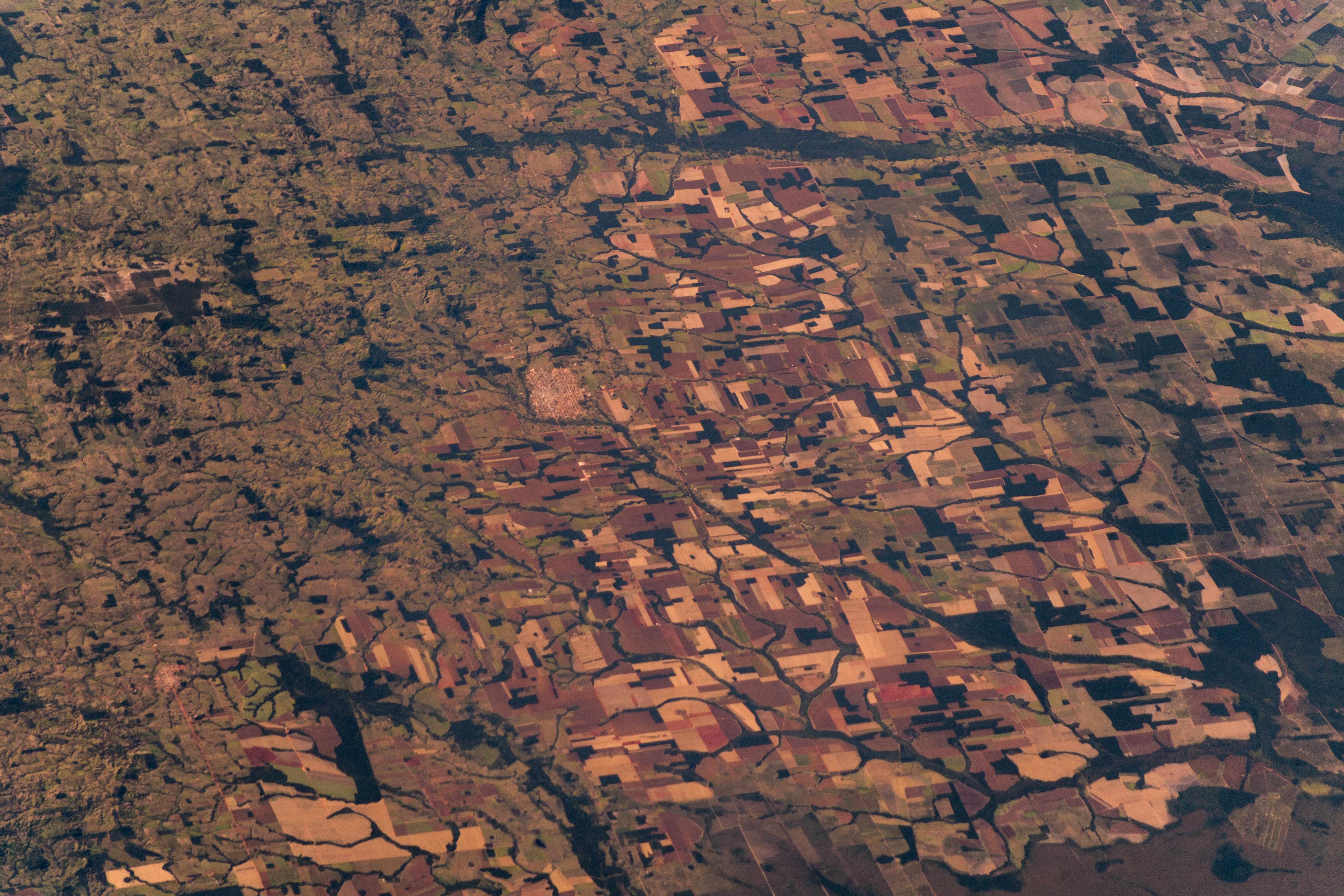
Deforestation in Brazil's Amazon fell to its lowest level since records began in 1988, according to satellite data released by the government, giving President Luiz Inacio Lula da Silva a timely environmental success three days before a knife-edge presidential run-off.
The Prodes monitoring series, run by Brazil's National Institute for Space Research, showed that forest clearance fell 41.8% in the year to July 2026, to 3,335 square kilometres. That is 1,236 sq km below the previous record low, an area roughly the size of Rio de Janeiro.
Since 2022, the year before Lula took office, the annual deforestation rate has fallen 71.2%, helped by stronger enforcement and renewed funding for environmental agencies. The neighbouring Cerrado, a vast savanna long cleared for soya and cattle, recorded its lowest annual loss since 2001.
The figures stand in sharp contrast to the term of Lula's predecessor, Jair Bolsonaro, when deforestation rose by about 59.5% as forest protection was weakened. The worst-affected states in the latest data were Para (33.9% of the total), Mato Grosso (25.5%) and Amazonas (15.7%), though each was down by more than 45% on the year. Only Roraima, a Bolsonaro stronghold, recorded a slight increase, of 0.4%.
Whether the gains survive now depends on a run-off on 25 October between Lula and Flavio Bolsonaro, the son of the jailed former president. Opinion polls put the two neck and neck, and Flavio Bolsonaro is expected to revive his father's approach to the rainforest, alongside a pledge to fight organised crime there.
Lula has promised to end illegal deforestation by 2030. "Our goal is to achieve zero illegal deforestation by 2030," he wrote on X on Friday. Brazil's environment minister, Joao Paulo Capobianco, called the decline "absolutely stratospheric".
Environmental groups said the data showed how much was at stake. Marcio Astrini, executive secretary of the Climate Observatory, called it a historic achievement and said it proved that "with political will, it is possible to curb deforestation and greenhouse gas emissions". "The country will decide whether we move toward the end of deforestation or toward the end of the forest," he added.
The Amazon is the world's largest rainforest and a crucial store of carbon; about 60% of it lies in Brazil.