ScrollBeat
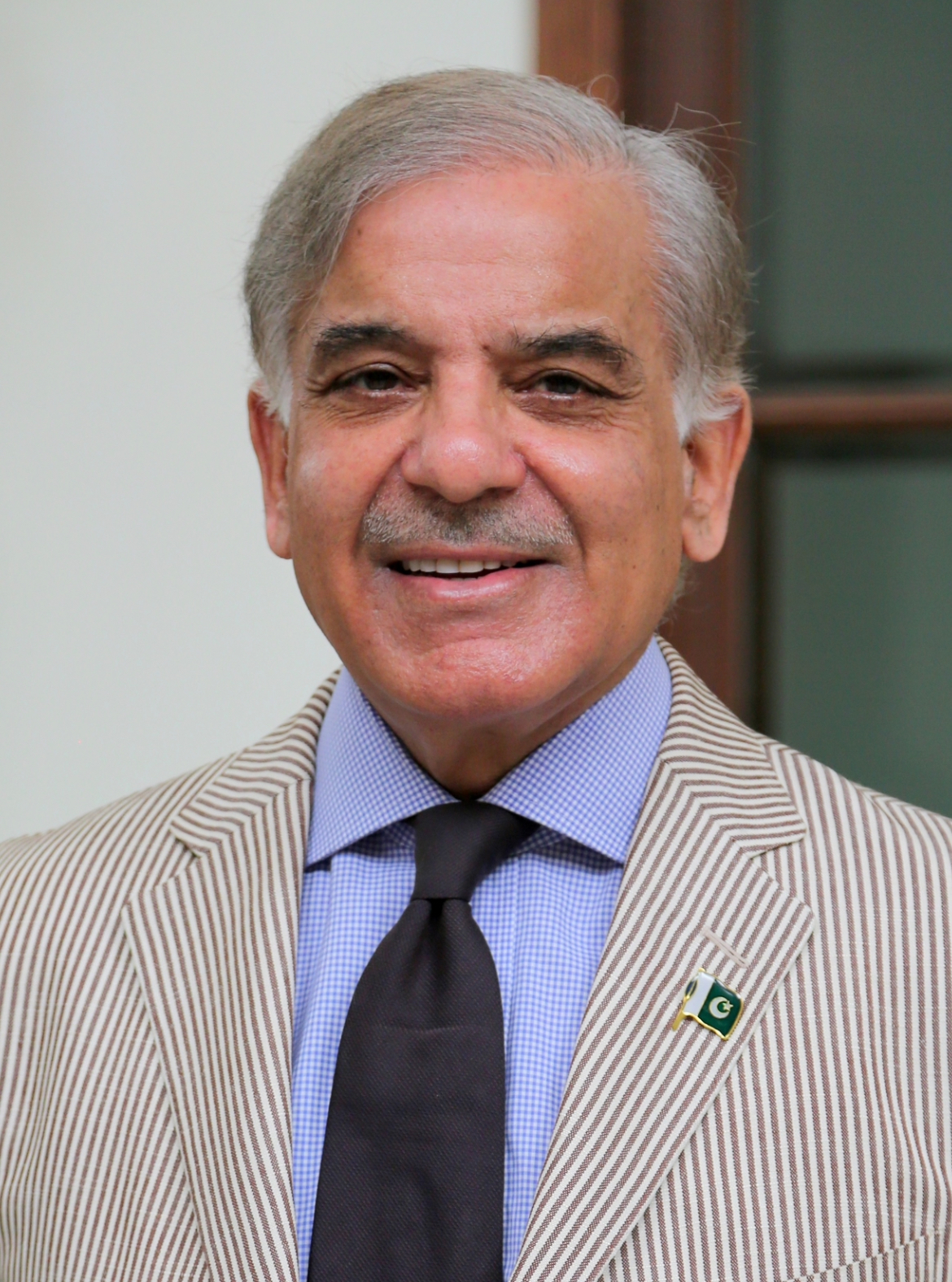
Prime Minister Shehbaz Sharif has defended the federal government's decision to impose emergency and governor's rule in Khyber Pakhtunkhwa, saying the Centre had been "compelled" to act over security concerns after talks with the opposition failed.
Speaking in Gujranwala on Saturday, the prime minister said the government had made a "last attempt" to avoid the step, pointing to two rounds of talks between a joint government and Pakistan Peoples Party delegation and the opposition Pakistan Tehreek-e-Insaf. The second round, on 3 October, ended without a breakthrough, although he said a draft agreement had been prepared under which PTI would call off its protest march.
"They had talks with them day and night, for 48 hours," Shehbaz Sharif said, adding that he had met Khyber Pakhtunkhwa Chief Minister Sohail Afridi and his predecessor, Ali Amin Gandapur, several times to offer the province support in fighting militancy.
The federal government imposed emergency and governor's rule in the northwestern province on 11 October, citing what it called the provincial administration's deliberate disengagement from the fight against terrorism. Parliament endorsed the measures this week at a joint sitting, where opposition lawmakers protested with placards reading "Emergency na manzoor" (emergency is unacceptable).
Pakistan Muslim League-Nawaz president Nawaz Sharif, a former prime minister, backed the move and said the intervention should have come much earlier. "This intervention was necessary to restore peace, improve governance and protect the interests of the people," he was quoted as saying, accusing PTI of using provincial resources for political confrontation with the federation.
Under the new arrangement, Governor Faisal Karim Kundi is running the province with the help of an 11-member advisory council, while Parliament exercises the powers of the provincial assembly. The federal law minister has said the arrangement will initially remain in place for six months. Opposition Leader in the National Assembly Mehmood Khan Achakzai blamed what he called faulty decisions by the country's rulers for the situation.
The measures followed weeks of tension after PTI announced a long march to Islamabad demanding the release of its jailed founder, Imran Khan, and access to his personal doctors. PTI has challenged the emergency and governor's rule in the Peshawar High Court, calling them unconstitutional and discriminatory, and says the province's elected government should be restored.
Amnesty International has raised concerns about reports of arbitrary detentions of political leaders and internet disruptions in the province, warning that emergency measures must not be used to suppress dissent and calling for independent oversight. Under Pakistan's Constitution, an emergency declared without a resolution from a provincial assembly must be approved by both houses of Parliament within 10 days, and governor's rule can be extended in two-month periods up to a maximum of six months.