ScrollBeat
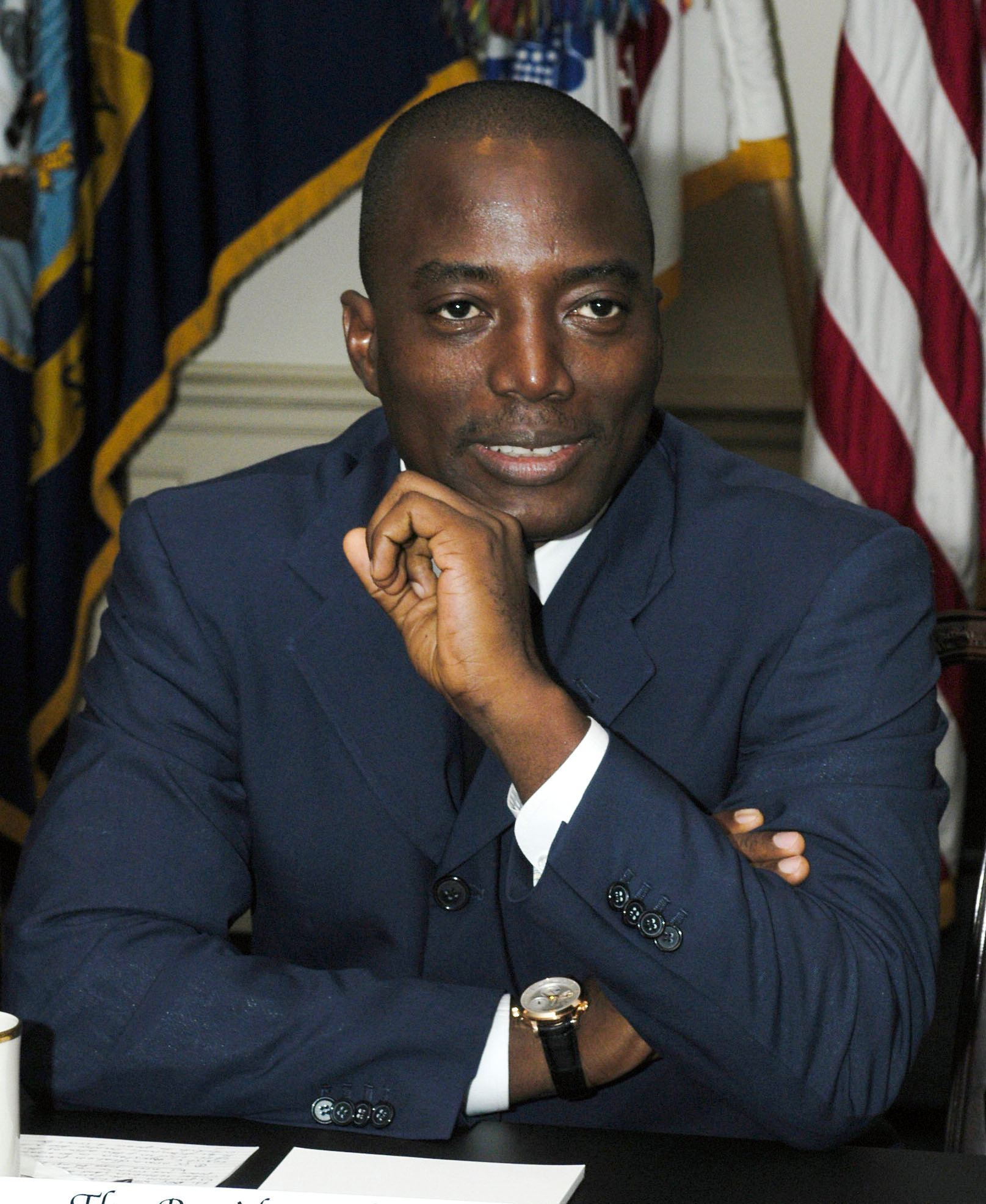
Former DR Congo president Joseph Kabila has been named leader of a new political and military coalition challenging President Félix Tshisekedi, in the clearest sign yet of his direct involvement in the rebellion in the country's east.
The Front for the Refoundation of the Nation (FRN) was announced at a press conference at Kabila's residence in Goma, the largest city in eastern DR Congo, which has been under the control of the M23 armed group since early 2025. The new group said it would seek to end "tyranny" and would pursue its goals "by all means, including force". It replaces the alliance between the Alliance Fleuve Congo (AFC) and the M23.
Kabila, 55, ruled the Democratic Republic of the Congo from 2001 until 2019. A Congolese military court sentenced him to death in absentia a year ago on charges including treason and war crimes over alleged links to the M23; he denies backing the group and his relatives called the conviction politically motivated. The United States sanctioned him this year, accusing him of providing support to the rebels.
M23 leader Sultani Makenga is one of four deputies in the new coalition, and Corneille Nangaa and Bertrand Bisimwa also take senior posts. Al Jazeera reported that residents of Goma fear the realignment will push a peace deal further away.
Eastern DR Congo has been unstable for decades: more than 100 armed groups are active there, and the fighting has displaced millions. The UN and Western governments accuse Rwanda of backing the M23; Rwanda denies it.
The FRN said it would honour the commitments made by its predecessors in Qatar-mediated talks in Doha, which have covered a ceasefire, the return of refugees and the release of detainees. The United States has separately pursued a deal between DR Congo and Rwanda.
The Congolese government has not publicly commented on the coalition's formation. A former speaker of the National Assembly, Vital Kamerhe, urged the new movement to give up armed struggle, and the International Crisis Group's Richard Moncrieff said Kabila's high profile was aimed at widening the rebellion's appeal and reducing its reliance on Rwandan backers.