ScrollBeat

Bangladesh could lose up to Tk 1,700 crore a year in government revenue if it removes import duties under a proposed free trade agreement with the Gulf Cooperation Council, according to a study by the Bangladesh Trade and Tariff Commission.
The study recommends keeping a 5 per cent duty on goods from sensitive industries and on products that generate substantial revenue, and cutting tariffs in stages so that domestic industries have time to adjust. The findings were reviewed at a validation workshop chaired by the commerce secretary earlier this month.
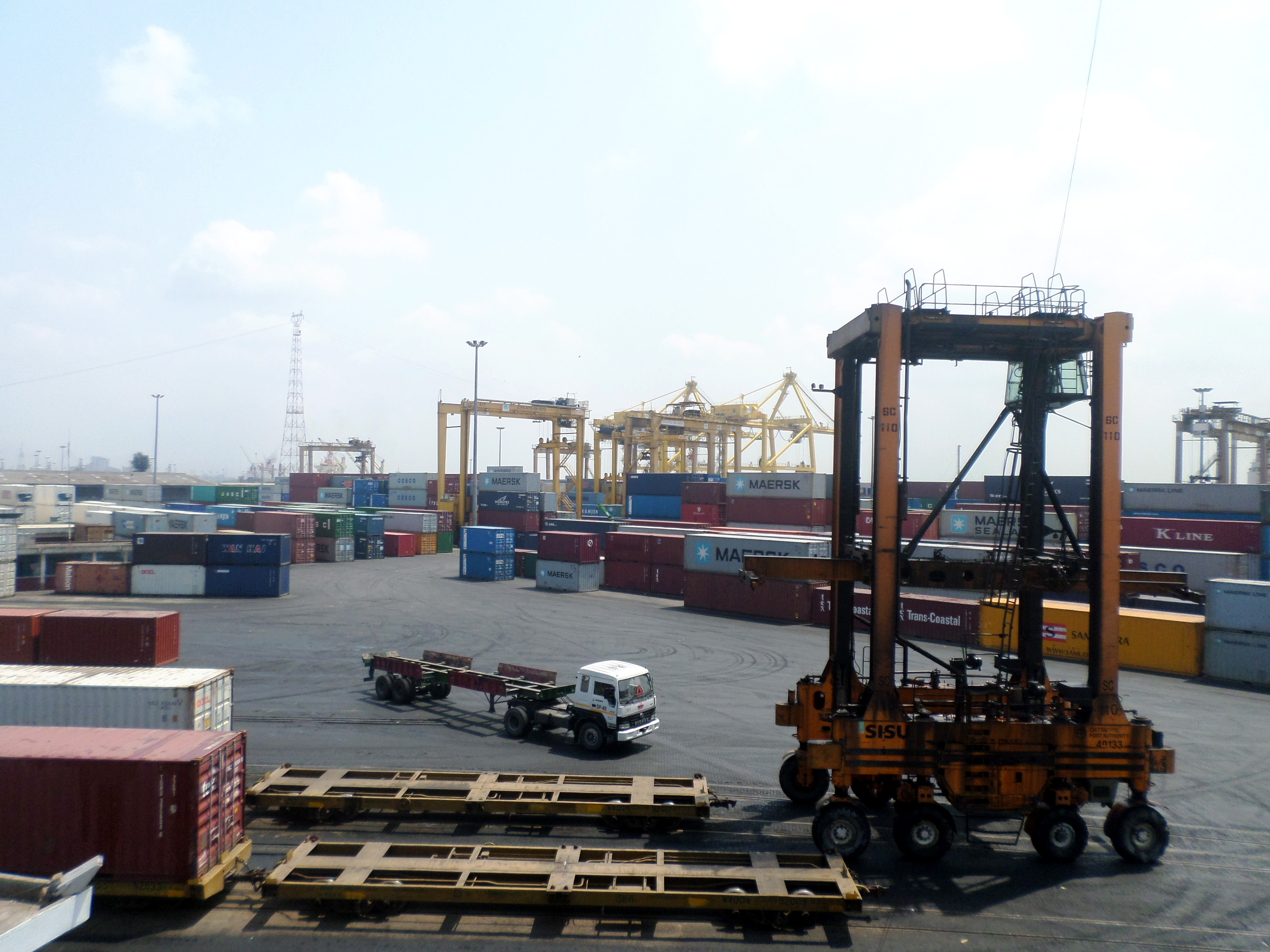
Bangladesh imported goods worth $5.64 billion from the six-member bloc in the 2024-25 fiscal year and exported goods worth $689.26 million, leaving a large trade gap. Petroleum products account for most of the imports. The commission estimates that imports from the GCC could rise by about $206.88 million under the proposed arrangement.
The GCC comprises Saudi Arabia, the United Arab Emirates, Kuwait, Qatar, Oman and Bahrain. Its average most-favoured-nation tariff on imports is 5.03 per cent, including 6.62 per cent for agricultural products and 4.8 per cent for non-agricultural goods. The bloc imported about $13.54 billion of ready-made garments in 2024, but Bangladesh holds only a small share of that market, according to the Bangladesh Knitwear Manufacturers and Exporters Association.
Officials see room to expand exports of halal food, leather goods, home textiles, ceramics, medicines, agricultural products and light engineering goods. A senior official of the commerce ministry's FTA wing said gradual tariff cuts would help manage the revenue impact rather than removing duties at once.
The Economic Relations Division told the meeting that the GCC matters for energy security and strategic ties, and suggested that Bangladesh consider a broader Comprehensive Economic Partnership Agreement or an Economic Partnership Agreement. Bangladesh has already signed a memorandum of understanding with the GCC covering five sectors, but a commerce ministry representative said the country's preparedness should be assessed before it pursues a full agreement.
The proposal is expected to be submitted to the prime minister for approval. If approved, Bangladesh will formally approach the GCC through the Ministry of Foreign Affairs. Several ministries, including industries, agriculture, fisheries, expatriates' welfare and shipping, will also have to submit short- and long-term assessments of the deal's effects.