 ScrollBeat

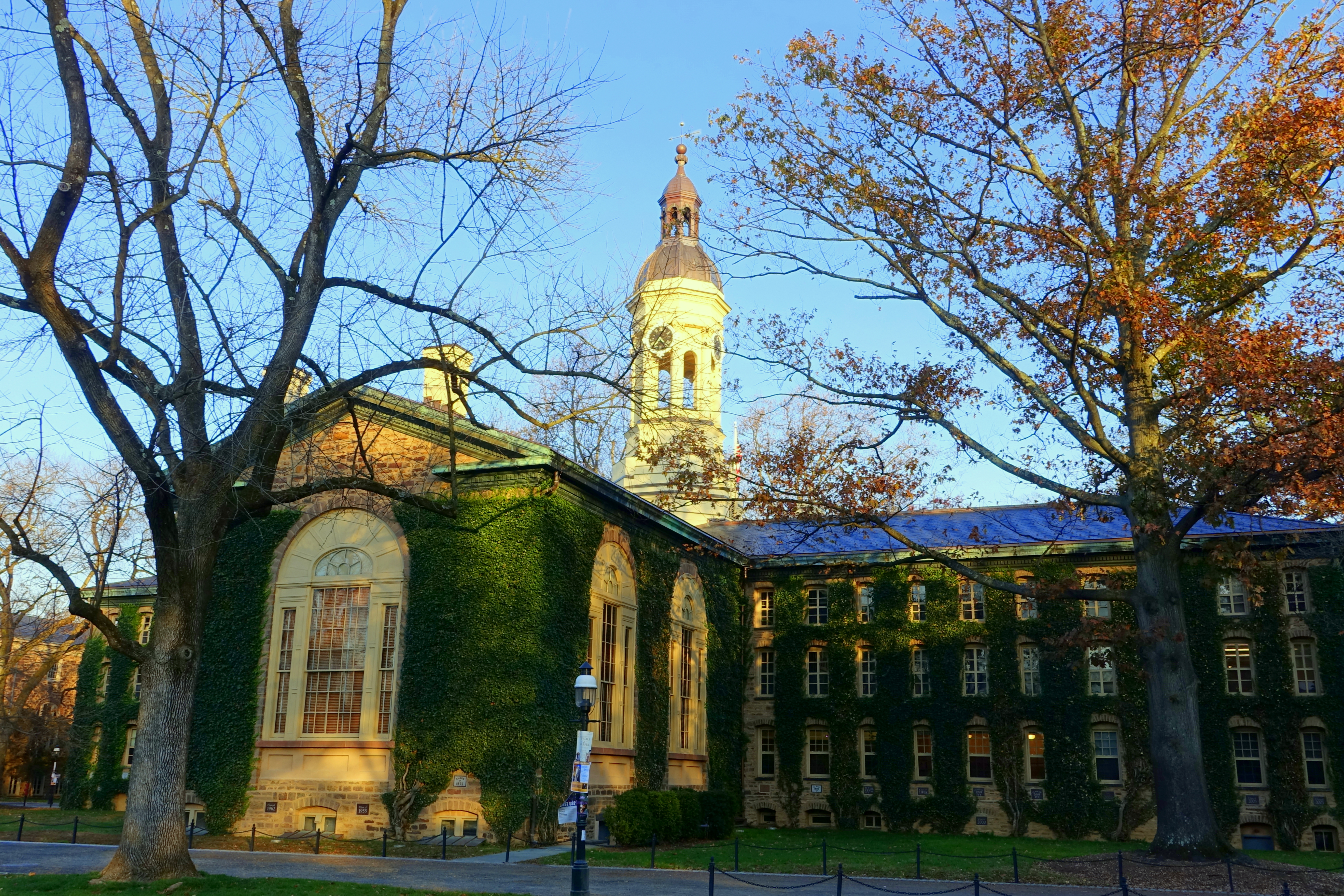
Jack Weis has a doctorate in chemical engineering from Princeton University, a summa cum laude degree from Rice University and research that the Nobel committee cited when it awarded the 2024 physics prize. He has also been out of permanent work for two years, after applying to more than 2,300 jobs.
Weis, 30, finished his PhD in 2024 and returned to his parents' home in Salt Lake City, Utah. He began with science roles at pharmaceutical companies and postdoctoral fellowships at national laboratories, then widened his search to software engineering and other fields, according to The Wall Street Journal, which first reported his case.
He was turned down even for food preparation work at a company that sells frozen crab cakes. Calls to alumni from Princeton and Rice mostly produced advice to keep checking company job boards.
In January he found part-time work training an artificial intelligence system for $70 an hour, but the hours were irregular and eventually dried up. In mid-March he was told in a group chat that the contract had ended.
His parents, both doctors, said they were shocked. His mother, Holly Carvers, went through his applications looking for mistakes and found nothing obvious, and his father, John Weis, said he never imagined his son would struggle to find work.
Economists describe the US labour market as low-hiring and low-firing: companies are reluctant to recruit and existing staff are reluctant to move, leaving few openings for people trying to enter. Employers are also using AI tools to screen large numbers of applications, adding another filter for candidates.
Weis is preparing for law school admission tests in November and working on a plan to use AI-guided drones to remove invasive weeds. He said people who believe something has real value have to step forward and make that value real themselves.