ScrollBeat

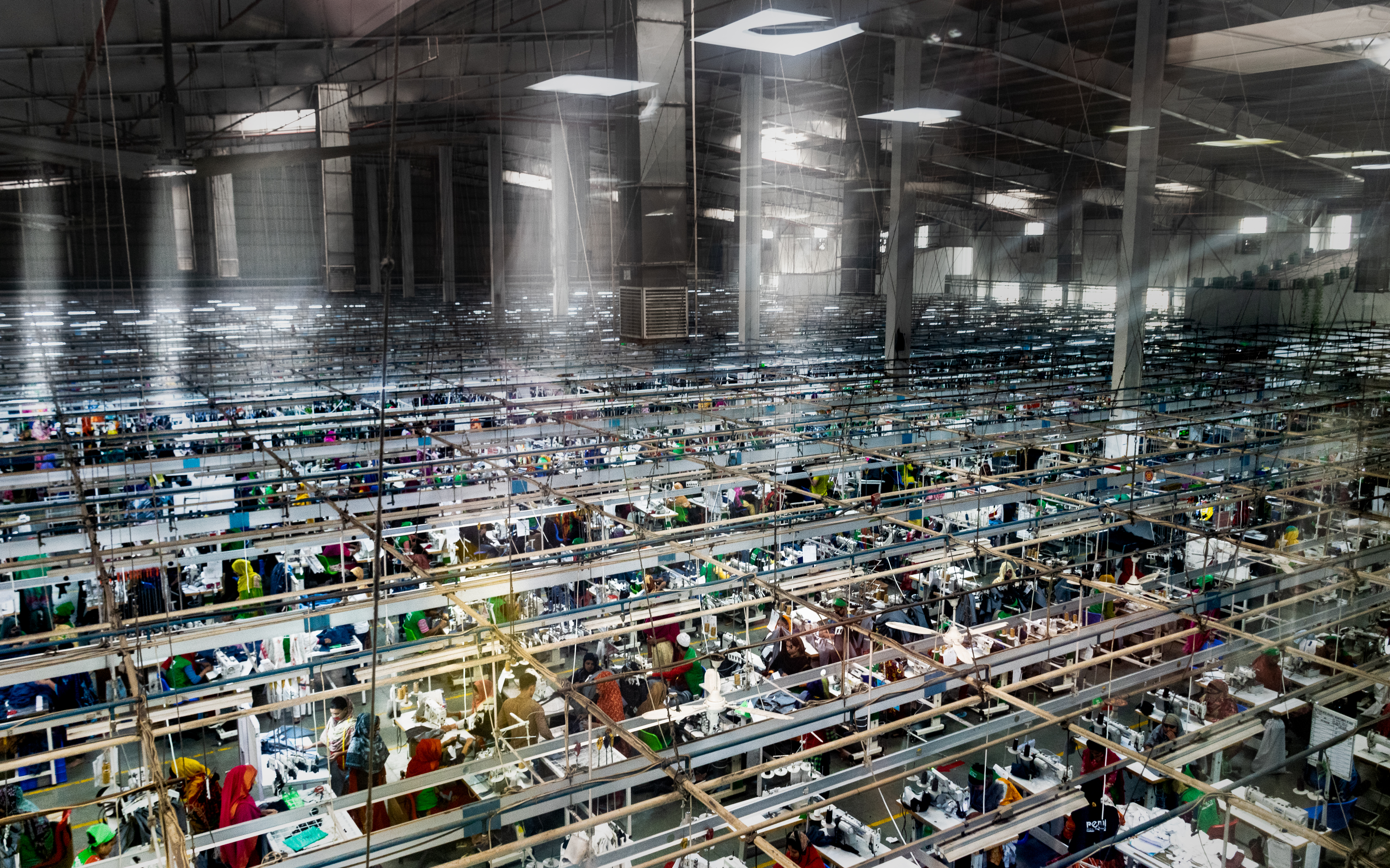
Kaya Group has laid off 739 workers and employees at four of its factories in Gazipur, the second round of retrenchment at the units, after months of lay-off caused by banking problems and a cut in gas supply.
A notice signed by the group's chairman and managing director was posted at the main gate of the factories in the Jarun area of Konabari at about 10:30pm on Monday, Bangla Tribune reported. The layoffs took effect on Tuesday.
The four units are the Knit Composite Division, Spinning Division, Cotton Division and Keya Yarn Mills Limited.
The notice said the factories had been on lay-off since 6 June because of banking complications and unpaid gas bills, and that the period had been extended several times. It blamed the latest cuts on those problems and on having more workers than needed, and said some posts had been abolished to reduce production and administrative costs.
The company said the layoffs were being carried out under Section 20 of the Bangladesh Labour Act 2006 and that affected staff would receive their legal dues. Human Resources Manager Sabina Yasmin told reporters that payments would be made as the law requires.
Gazipur Industrial Police Superintendent Mohammad Amjad Hossain confirmed the figure of 739 and said police had been deployed at the factory gates to keep order. Workers gathered outside in the morning to look for their names on the list posted overnight.
Yasmin Begum, a sewing operator who said she had worked at the factory for 18 years, told The Daily Star Bangla that she did not know how she would support her family after losing the job. Abeda Begum, a cleaner at the plant for about 19 years, wept at the gate, saying she was leaving with nothing after so long.
Mohammad Ashrafuzzaman, organising secretary of the National Garment Workers Federation, condemned the decision to dismiss 739 people in one notice after five rounds of lay-off and demanded their arrears and compensation.
The four factories had already laid off 627 workers in the first round on 8 September. Kaya Group, which also makes soap and cosmetics, has faced prolonged financial pressure, and its textile units have been hit by unpaid gas bills and disrupted production.