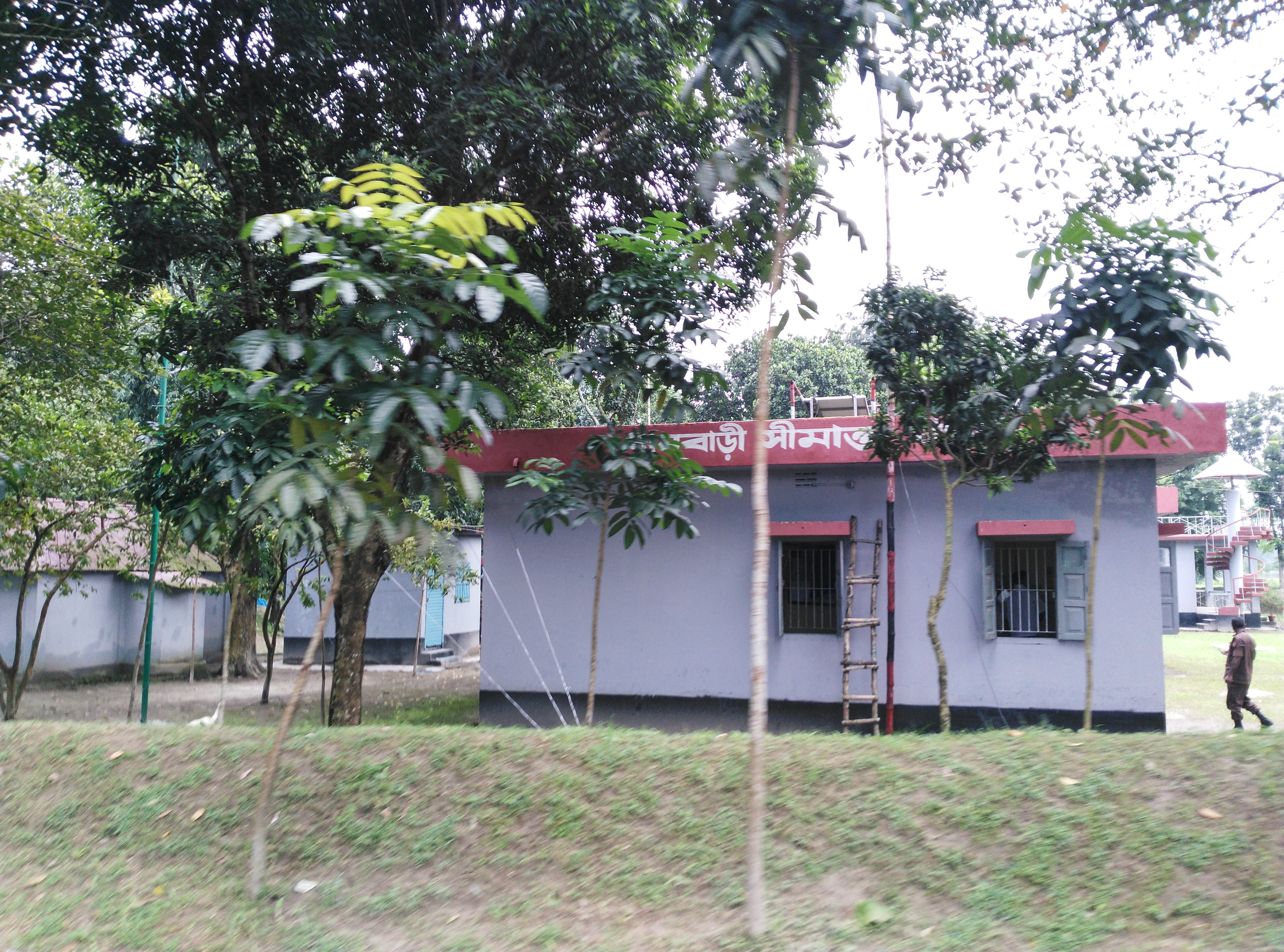
The force has stepped up river and coastal patrols in 54 upazilas during the 22-day ban on catching, selling and transporting hilsa, which runs until 29 October.
The Bangladesh Coast Guard has stepped up patrols and drives in rivers and coastal waters to stop the catching of brood hilsa during a 22-day nationwide ban meant to let the national fish spawn safely.
The ban began on 8 October and lasts until 29 October. It bars catching, transporting, storing, marketing, buying and selling hilsa anywhere in the country.
Officials said conservation operations have been intensified in 54 upazilas across 16 districts, with stations and outposts under the Coast Guard's four zones running regular patrols. Chandpur, Shariatpur, Madaripur, Munshiganj, Barishal, Patuakhali, Bhola, Pirojpur, Jhalakathi, Bagerhat, the Chattogram outer anchorage and parts of Lakshmipur are among the areas getting particular attention.
The Coast Guard said it had seized 8.3 million metres (83,30,900 metres) of fishing nets, 155 kilogrammes of hilsa and 14 boats, and that 24 people had been brought under the law. The nets were destroyed in the presence of fisheries representatives, the confiscated hilsa was given to local orphanages, and the boats were handed to fisheries officials.
Patrol vessels are also on alert to keep fishing trawlers from neighbouring countries out of Bangladesh's territorial waters, the force said. Officials said working in remote rivers at night and stopping the use of banned nets remain the biggest challenges, and that patrols, intelligence gathering and coordination with other agencies have been strengthened.
Under a government programme, rice is being given to 646,290 fishing families in 168 upazilas across 38 districts, with each family receiving 25 kilogrammes for the duration of the ban.
Fisherman Burhan Uddin of Char Fasson in Bhola told the state news agency BSS that the restriction would help hilsa breed and grow, and welcomed the food aid for families losing income. Professor Mohammad Mamun Chowdhury, chairman of Dhaka University's fisheries department, called the ban effective but said it should run for a month rather than 22 days, because egg-bearing hilsa are still netted soon after it ends.
Enforcement has been uneven. The Daily Star reported on 12 October that illegal hilsa fishing and open sales continued along the Meghna in Barishal's Hizla and Mehendiganj upazilas, with 2,000 to 3,000 maunds traded daily in about 30 markets, and that the district fisheries office had asked for army or Coast Guard help. Officials there cited a lack of budget and the danger of night operations on the river.
Coast Guard media officer Lieutenant Commander Sabbir Alam Sujon said surveillance and drives had been strengthened to ensure safe spawning, and urged the public to report violations on the emergency number 16111.
 ScrollBeat