ScrollBeat
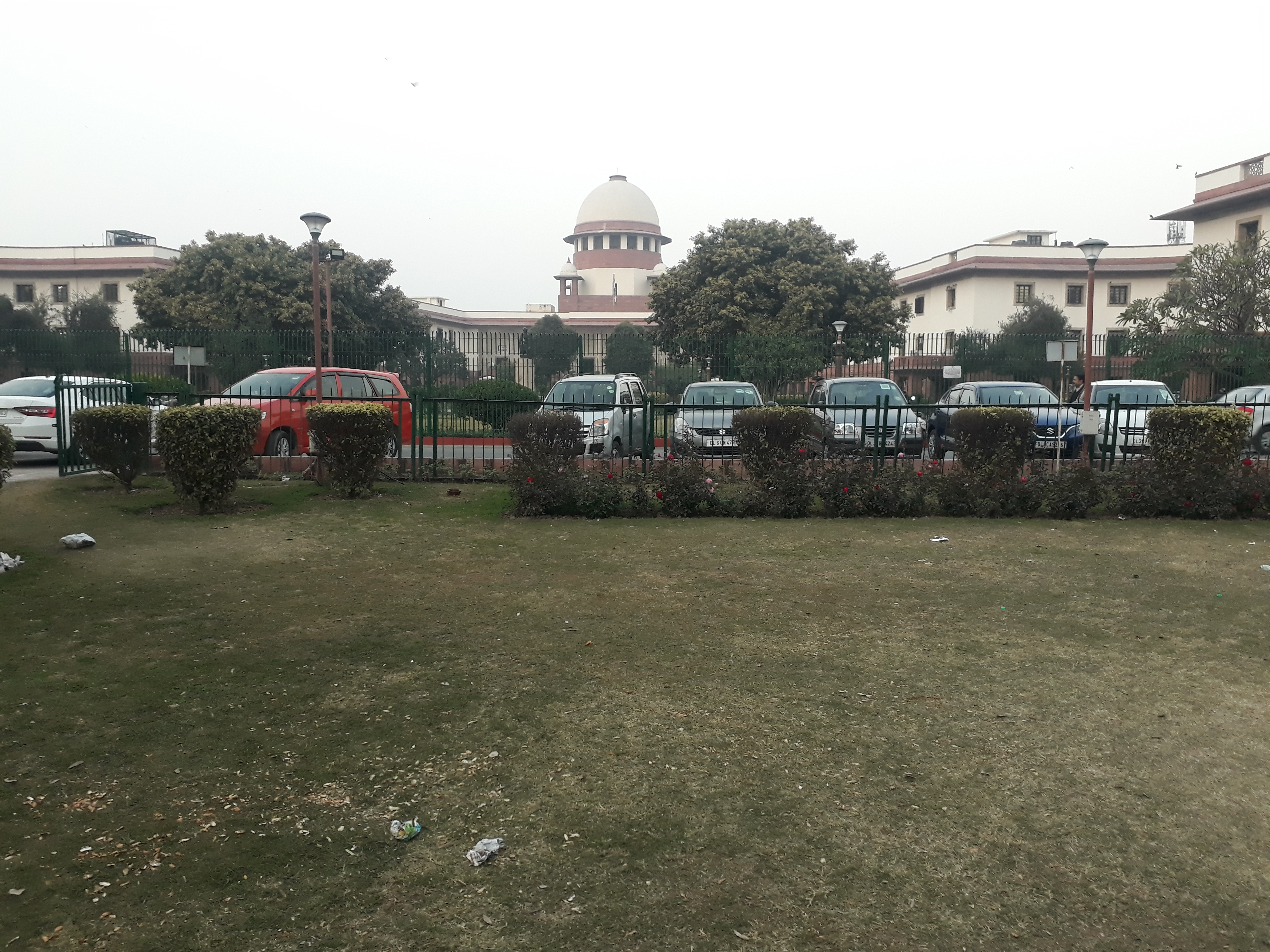
India's Supreme Court has held that the right to access and use the internet is a fundamental right of every person, including children of any age, and refused to endorse a blanket ban on children going online.
A bench of Justices J B Pardiwala and K V Chandran made the ruling in an order dated 15 October that was released later, while examining how to detect and remove child sexual exploitative and abuse material from the internet.
The court said the right flows from Article 21 of the Indian Constitution, read with the freedom of speech and expression guaranteed under Article 19(1)(a). "The safety of our children and their freedom are not at odds with each other. Our children are entitled to both," the bench said.
It declined to back a blanket prohibition, reasoning that protecting children cannot mean shutting them out of a medium that is now central to education, information and social participation. Outright bans, it said, were of questionable effect and could push children towards less regulated and more dangerous corners of the internet.
The bench warned that such restrictions could also stop children who are being groomed, threatened or exploited online from telling a parent or trusted adult, for fear of being punished for having used the internet, which it said would defeat the purpose of the POCSO Act.
It added that enforcing age-based restrictions would require identifying and verifying the age of every user, which in turn would mean continuous collection and monitoring of sensitive data and a disproportionate risk of surveillance and misuse.
"Any measure for the safety of children must be directed at the harmful material and those responsible for the same, and not at the children themselves," the court said, adding that keeping a child offline because platforms and authorities have failed amounts to mistaking the victim for the problem.
Instead of a ban, the bench proposed a framework built on parental consent, guidance and oversight, and a dedicated child mode for social media accounts - private by default, with contacts and messages from unknown adults restricted and advertising and content moderated. For pre-teens, it said such safeguards could be paired with proportionate ways of verifying parental consent, leaving the details to the Union government.
The court clarified that its remarks do not stop the government from restricting access to specific categories of content that are inherently harmful to children, such as adult-content websites. It also directed the central government to build a national database of abusive material, recording the digital identities and web addresses of confirmed harmful items, and asked for guidelines and standard operating procedures using tools such as perceptual hash-matching and URL listing.
The bench said digital safety and sex education are "two sides of the same coin", calling for children to be taught, in an age-appropriate way, about safe and unsafe touch, consent, online privacy, sexual extortion and how to report abuse.
The ruling came as the court separately hears a plea seeking age-based limits on children's social media use. On Friday, a bench led by Chief Justice of India Surya Kant and Justice Joymalya Bagchi issued notices to the Centre, two Union ministries and the National Commission for Protection of Child Rights on a petition by the Indore-based Emerald Heights International School, which wants an enforceable regulatory framework and a ban on social media for children below a set age.