The Revolutionary Guards say both tankers caught fire after striking naval mines on Saturday, one of them carrying more than 2 million barrels of crude. The US military disputes the account and says projectiles, not mines, are hitting the vessels.
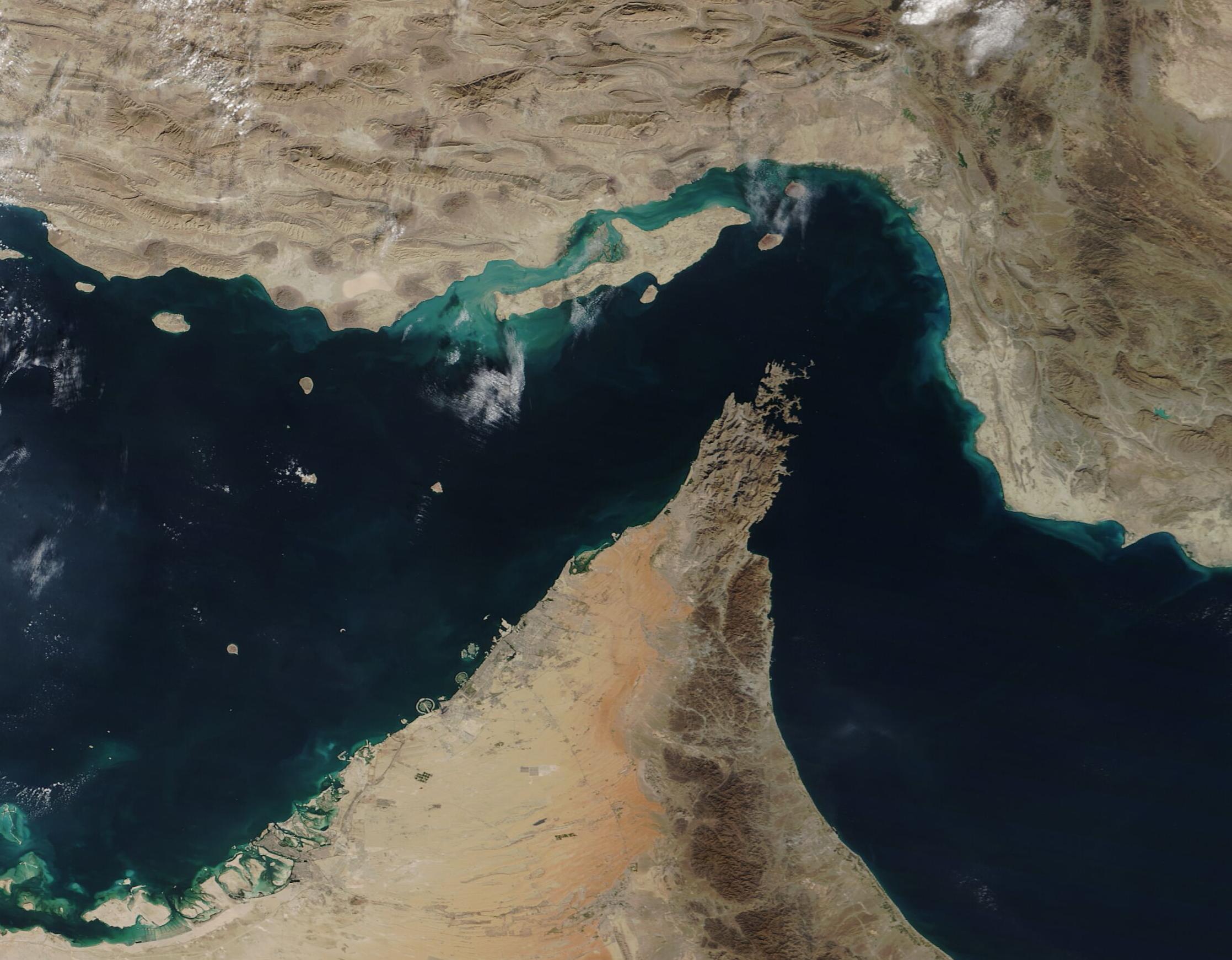
Iran's Revolutionary Guards said on Saturday that two oil tankers caught fire after striking naval mines in the Strait of Hormuz, the latest in a string of attacks on shipping in the waterway at the centre of the US-Iran war.
The IRGC Navy said the second supertanker, carrying more than 2 million barrels of crude oil, suffered a massive explosion in its engine room after hitting a mine while taking what it called an unauthorised route, with its tracking and radar systems switched off. Iran's state-run Press TV shared footage it said showed the vessel on fire. The Guards did not name or flag the tankers, and there was no independent confirmation of the incident.
The claim is disputed. US Central Command says it has cleared the strait of naval mines and that vessels are being struck by projectiles rather than mines. It said a container ship that sank this week, the M/V GFS Pride, was hit by an IRGC projectile, not a mine as Iran had said.
The two sides also give sharply different accounts of traffic through the strait. The United Kingdom Maritime Trade Operations, a Western maritime security body, reported at least 12 ships attacked in the week to 16 October, while warning that most crews were refusing to report incidents. US Central Command chief Brad Cooper said 400 ships and 100 million barrels of oil had moved through the strait over the past week and that the waterway is 'controlled by the United States and our regional partners, not Iran'. Tehran says Washington is exaggerating its progress.
Iran has kept the strait restricted since 28 February, when the United States and Israel began strikes on Iranian territory. Oil flows through Hormuz were about 11.6 million barrels per day in the seven days to 13 October, roughly 68 per cent of the 17.1 million-barrel pre-war baseline, according to the analysis firm Kpler, and Brent crude touched 110 dollars a barrel on Friday for the first time since May.
Diplomacy has not stopped entirely. Messages are still being relayed between Tehran and Washington by regional mediators including Pakistan and Qatar, though no breakthrough is expected soon.
 ScrollBeat