ScrollBeat
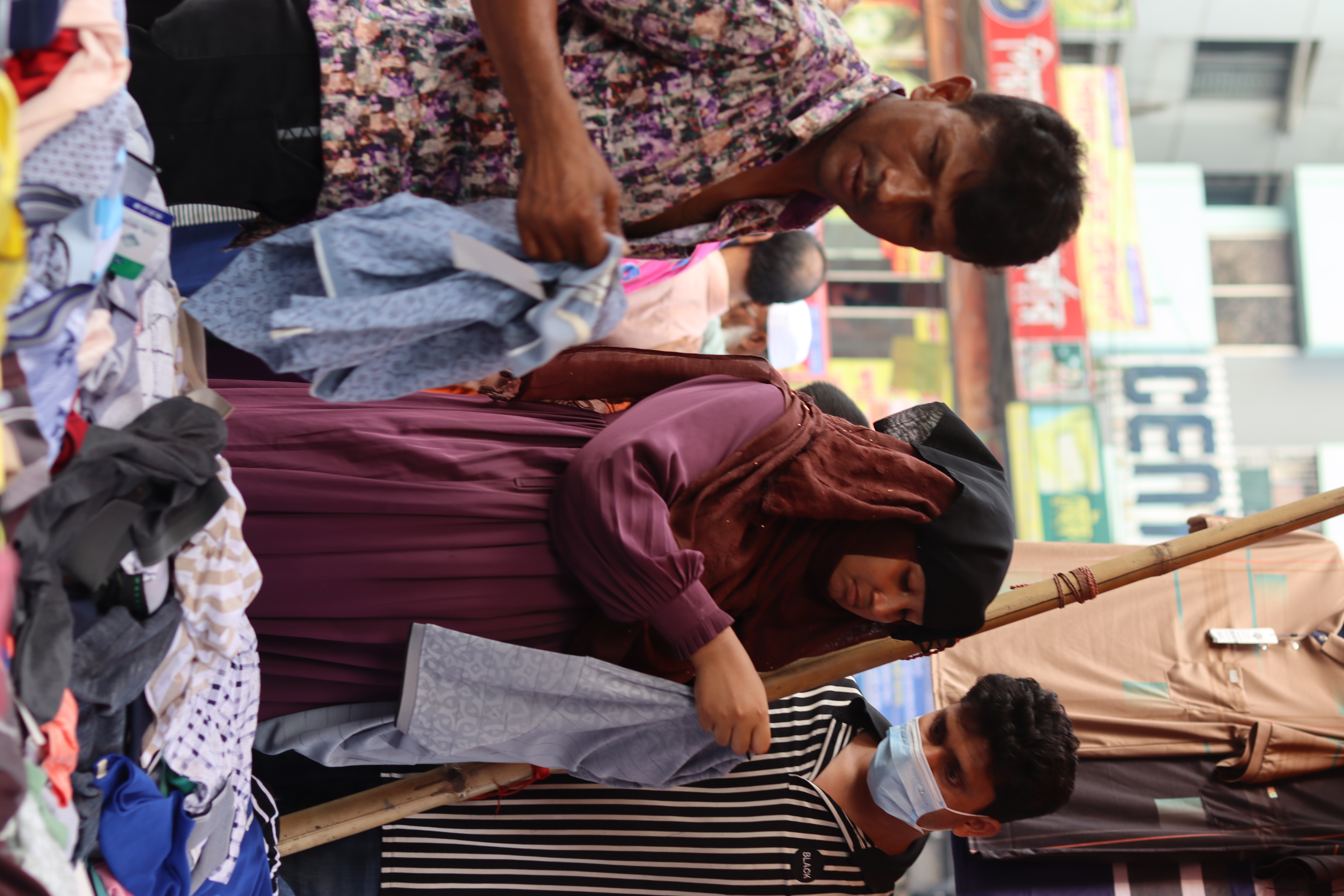
Poverty in Bangladesh rose to 27.93 per cent of the population in 2025, up from 18.7 per cent in 2022, according to a household survey published by the Power and Participation Research Centre (PPRC) on Saturday.
The report, State of the Real Economy: Dynamics of Reversals and Resilience in Bangladesh, was launched at the CIRDAP Auditorium in Dhaka on the International Day for the Eradication of Poverty. It draws on interviews with 8,067 households across all eight divisions, conducted in May 2025.
Extreme poverty, measured at a lower spending line, rose to 9.35 per cent from 5.6 per cent over the same period. The expenditure Gini coefficient, a measure of inequality, climbed to 0.436.
The report's central point is that having a job or living just above the poverty line no longer shields a family from a single shock. Average monthly household income was Tk 32,685 against spending of Tk 32,615, leaving a surplus of about Tk 70. Food accounted for 54.9 per cent of household spending, and about 12 per cent of households said they had skipped meals in the previous week.
A 'fragile middle' of nearly 18 per cent of households — about 31 million people — sits between the poverty line and the median income. Stagnant earnings and rising costs leave them one illness or lost job away from poverty. Half of all households have at least one chronically ill member who needs regular spending on medicine and healthcare.
The survey also examined public services. Some 74.6 per cent of service seekers said nothing gets done without money, describing what PPRC called 'hoirani' — everyday harassment that, its executive chairman Hossain Zillur Rahman said, runs across the state and its institutions and saps people's energy and initiative.
Speaking at the launch, World Bank country director Jean Pesme called for structural change across trade, public finance and energy efficiency, and for the labour market and education to be aligned with private-sector needs. CPD's Mustafizur Rahman said income inequality in Bangladesh had more than doubled and that growth was not pulling people out of poverty as quickly as elsewhere in South Asia.
Hossain Zillur Rahman described an economy caught in a structural trap of household distress, weak investment and unreformed institutions, and called for a 'transition compact' built on economic democracy, new growth drivers, quality education, productivity and governance reform.