ScrollBeat
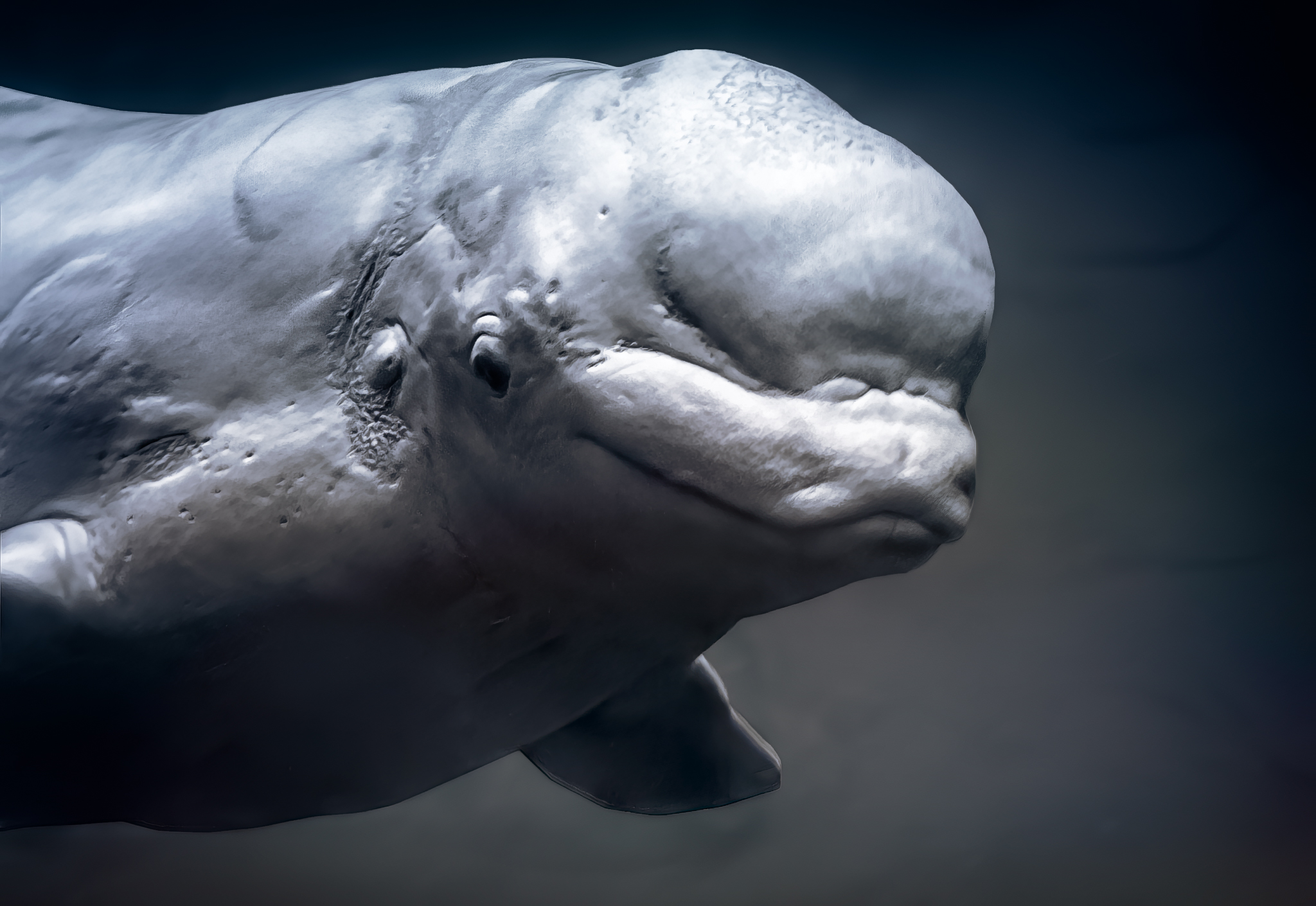
Thirty beluga whales left Marineland, a shuttered marine park near Niagara Falls, this summer in what was billed as the largest transfer of captive whales ever attempted. Months on, five of the belugas and one dolphin have died, and the success of the rescue is now in question.
The park closed to visitors in 2024 after years of animal-welfare complaints and mounting financial trouble. When Canada blocked a plan to sell the remaining whales to China, Marineland said they would have to be euthanised if no new home was found. A consortium of aquariums stepped in.
The belugas and four dolphins were flown to Chicago, Atlanta, San Diego, San Antonio and Valencia in Spain. Canada had banned keeping whales, dolphins and porpoises for breeding or entertainment, so the animals could not simply be moved to another facility in the country.
Most of the deaths were at Chicago's Shedd Aquarium, which took in ten belugas. Peekachu, 23, Rain, 20, Osiris, 26, and Caspian, 27, all transferred from Marineland, died, as did Beethoven, a 34-year-old that had lived at the aquarium for years. Necropsies found chronic inflammatory disease in the gastrointestinal tracts of Peekachu and Rain, and foreign objects in their stomachs, including feathers, rocks and flecks that appeared to be paint, which the aquarium believes were swallowed before the move. Osiris had chronic liver disease. In Spain, the Oceanografic Valencia lost one beluga, Jelly Bean, and one dolphin, Echo.
Experts say it is too early to judge the transfers, because the whales had been living in an ageing facility and had faced the prospect of euthanasia. About 20 whales died at Marineland between 2019 and September 2025.
Melissa Matlow of World Animal Protection Canada said the setbacks should have been foreseen. "If an animal was not healthy enough to withstand the stress of transport, it should not have been transported," she said. Her group had suggested turning Marineland into a hospice-style home for the remaining animals, or speeding up the Whale Sanctuary Project, a planned seaside sanctuary in Nova Scotia that still needs about C$6m.
Critics also point out that while Canada banned the breeding of captive whales, the countries that received the animals did not. Jason Jones, senior curator of animal wellbeing at Georgia Aquarium, defended the practice: "Breeding is part of good animal welfare, and so we want to make sure that they get the opportunity to do so." The aquarium recently received two males, Balor, 10, and Zephyr, seven, which it said arrived bright, alert and responsive.
Shedd Aquarium has said the surviving whales are showing positive signs, including eating well, and that it always knew some of the Marineland belugas "could have substantial, longstanding medical needs".