ScrollBeat
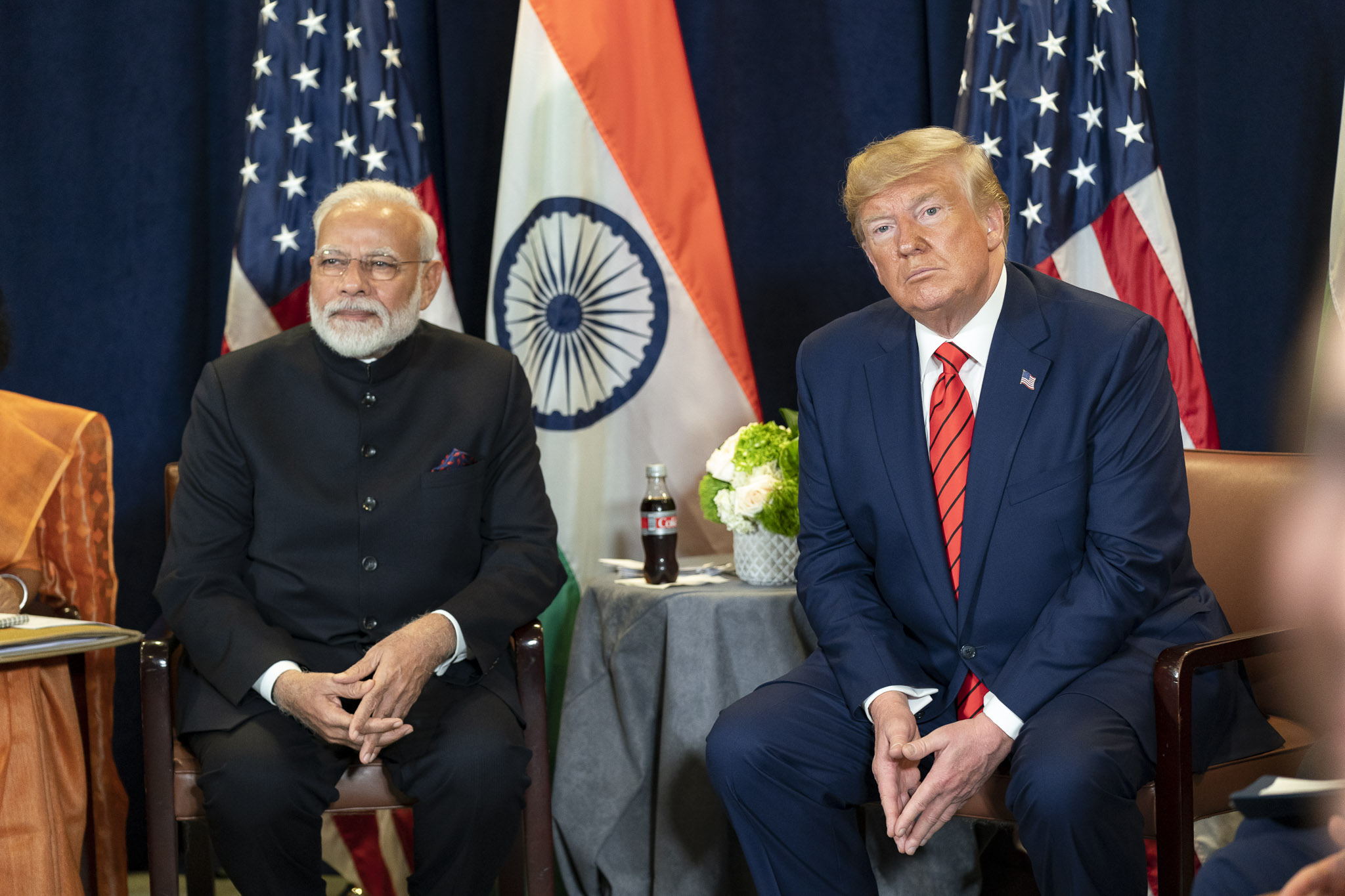
India and the United States have still not finalised the bilateral trade deal they set in motion last year, and US Secretary of State Marco Rubio arrives in India this week with the agreement unfinished.
Rubio is due to visit Mumbai, India's financial hub, and the oil city of Jamnagar in Gujarat during a six-day trip that began with a stop in Uzbekistan. He will not visit New Delhi.
The two countries agreed a framework for an interim deal in February under which Washington would lower reciprocal tariffs on most Indian goods to 18 percent from 25 percent, while India would cut duties on a range of industrial and agricultural products. The agreement has not been signed.
India's finance minister, Nirmala Sitharaman, said last week that the talks had reached a plateau with little room for further concession. Her comment followed a statement by US Trade Representative Jamieson Greer that an announcement was not imminent.
Several issues are in the way. Agriculture is sensitive for India, which does not want to expose its farmers to greater foreign competition. Washington wants India to buy more American energy. New Delhi wants its final tariff rate to be competitive with regional rivals such as Vietnam.
A new US law that allows tariffs of up to 100 percent on countries buying Russian oil has added to the uncertainty, though President Donald Trump signed an executive order on Friday waiving those threatened sanctions. US courts have also struck down the legal basis of some of Trump's tariffs, casting doubt over what Washington can actually offer.
India's trade minister, Piyush Goyal, said this week that the first phase of the deal was in its final stage of legal drafting, but that it would not be operational until India secured an advantage over its competitors.
Trade has held up so far. India's goods exports to the United States rose about 21 percent in August to $8.3 billion, compared with the same month a year earlier when tariffs stood at 50 percent. Economists warn that a return to higher tariffs would weigh on India's growth and its already weak rupee.