ScrollBeat
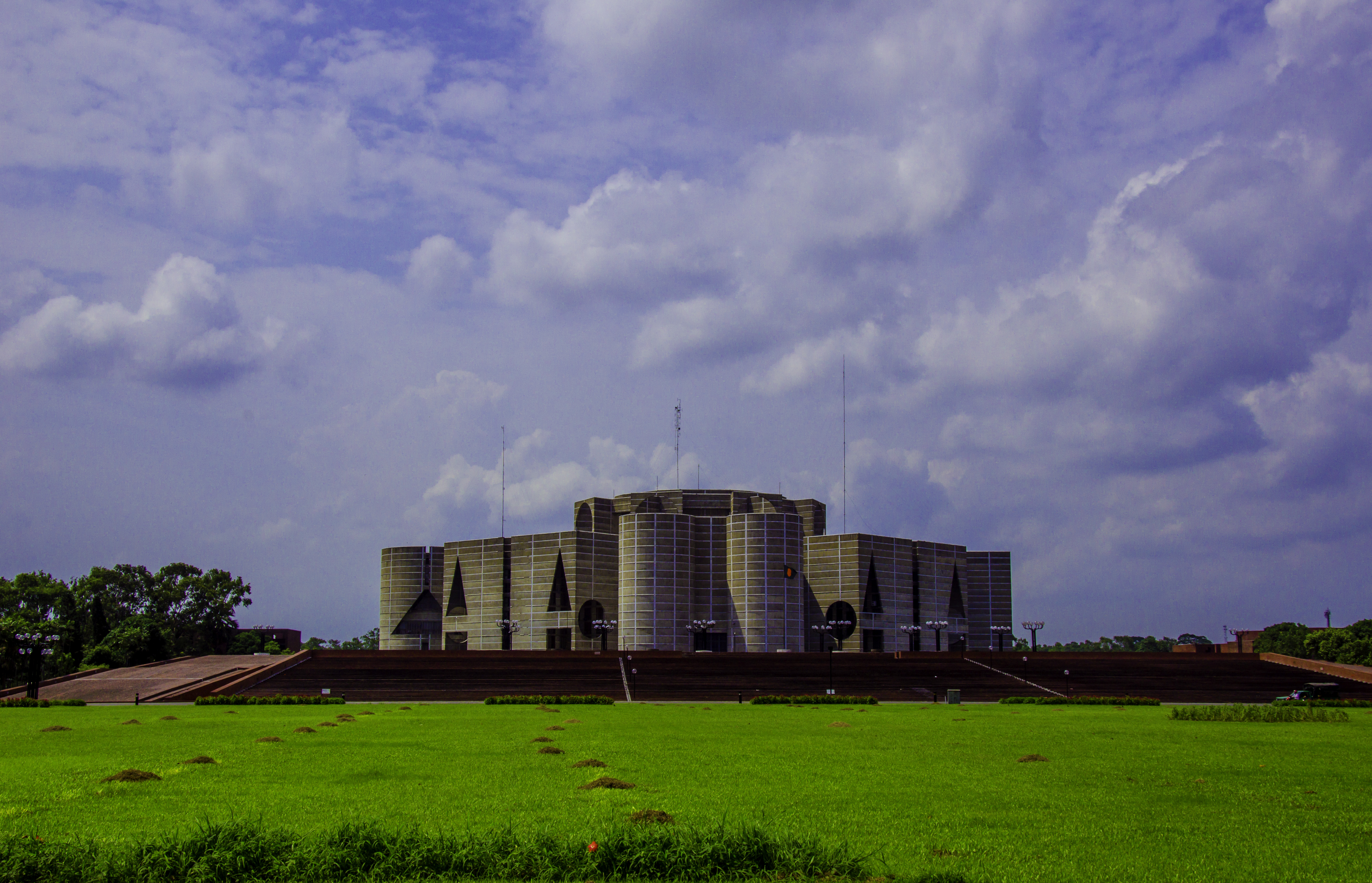
Political parties signed the July National Charter at the South Plaza of the National Parliament on 17 October 2025, presenting it as a roadmap to curb the prime minister's powers and rebalance the executive, judiciary and legislature. A year later, its central promises remain largely unfulfilled.
In a referendum on 12 February, voters approved 38 of the charter's 48 constitutional reform proposals, making their implementation obligatory. Eight months on, The Financial Express reported, those changes have still not been put into effect.
Several reforms brought in by the interim government have instead been unwound since the BNP-led government took office. The Supreme Court Secretariat and the council for appointing judges were abolished or discontinued, and a proposed police commission has not materialised, even though parties had recorded no dissent on them.
Transparency International Bangladesh said the government had enacted laws that strengthened the executive while repealing or suspending ordinances meant to build accountability. Its executive director, Iftekharuzzaman, said ordinances on judicial independence, the Anti-Corruption Commission and the National Human Rights Commission had been repealed or watered down, and criticised a plan to rebrand the Rapid Action Battalion rather than disband it.
A special committee on constitutional amendments, chaired by Home Minister Salahuddin Ahmed, is due to report to parliament in January, after which the government says it will table an amendment bill. Chief Whip Nurul Islam Moni told The Financial Express the ruling party is committed to implementing the charter in full, and said the dispute with the opposition is mainly about wording: amending the constitution rather than reforming it.
Opposition parties, including Jamaat-e-Islami and the National Citizen Party, say the government is disregarding the referendum result and have taken to the streets. Jamaat leader Hamidur Rahman Azad called the BNP's position a betrayal, arguing that voters had already settled the question.
Newspapers led with the deadlock on Saturday. In its daily press review, BBC Bangla summed up the mood with the Bangla headline that reform had stalled at the signature.