ScrollBeat

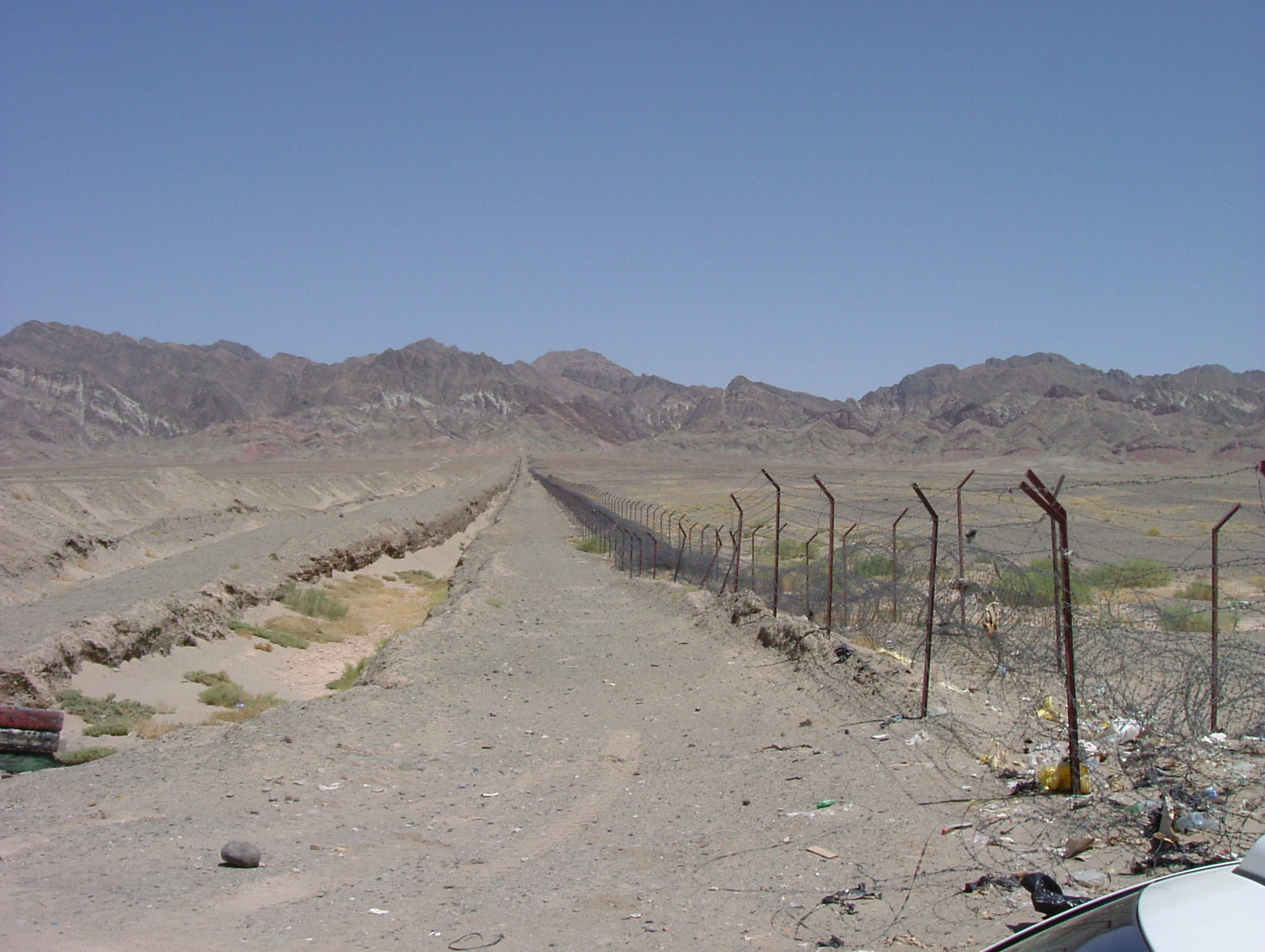
Pakistan has suspended trade through its two main border crossings with Iran in Balochistan, leaving about 2,000 goods trucks stranded on both sides and raising concern about liquefied petroleum gas supplies.
The commerce ministry withdrew an earlier order, dated 3 October, with immediate effect in a memorandum issued on Friday. The decision affects the Taftan crossing in Chagai district and the Gabd-Rimdan crossing further south.
Pakistani officials say the closure is temporary and is meant to tighten border control, tackle smuggling and improve security. Bakhtiar Ismail, deputy commissioner of Chagai, said the border would reopen once effective measures were in place. Shahid Rind, an adviser to the Balochistan chief minister, said the aim was to remove security fears and stop smuggling.
Iran's foreign ministry spokesman, Esmaeil Baghaei, gave a different account, saying cross-border movement and exchanges had been halted temporarily because of technical issues and precautionary measures, according to the state-run IRNA news agency.
The Quetta Chamber of Commerce and Industry said about 2,000 trucks were stuck and advised traders to stop placing new import and export orders. Passenger traffic at Gabd-Rimdan is continuing, according to the Iranian news agency WANA.
The Gabd-Rimdan route has become important for Pakistan's energy needs, with more than 4,000 tonnes of LPG imported through it daily, Dawn reported. Traders warn that a long closure could tighten LPG supplies and push up prices in Karachi and other markets.
The suspension comes as violence rises on both sides of the roughly 900km border. Pakistan recorded 225 armed attacks nationwide in September, the highest monthly figure in 12 years, according to the Pakistan Institute for Conflict and Security Studies. Twenty police personnel were abducted in Mastung district on Friday, and an army major was killed by a roadside bomb in Gwadar on Sunday.
Islamabad has also been mediating between Washington and Tehran since the US-Israeli war on Iran began in February. Analysts told Al Jazeera that a prolonged closure could test Pakistan's neutrality in that role. Imtiaz Baloch, a Quetta-based researcher, said security might be only part of the reason, pointing to economic sanctions on Iran.
Official trade between the two countries is modest, at about $2.8 billion in 2023-24, including $684 million in Pakistani exports, according to the Federation of Pakistan Chambers of Commerce and Industry.