ScrollBeat

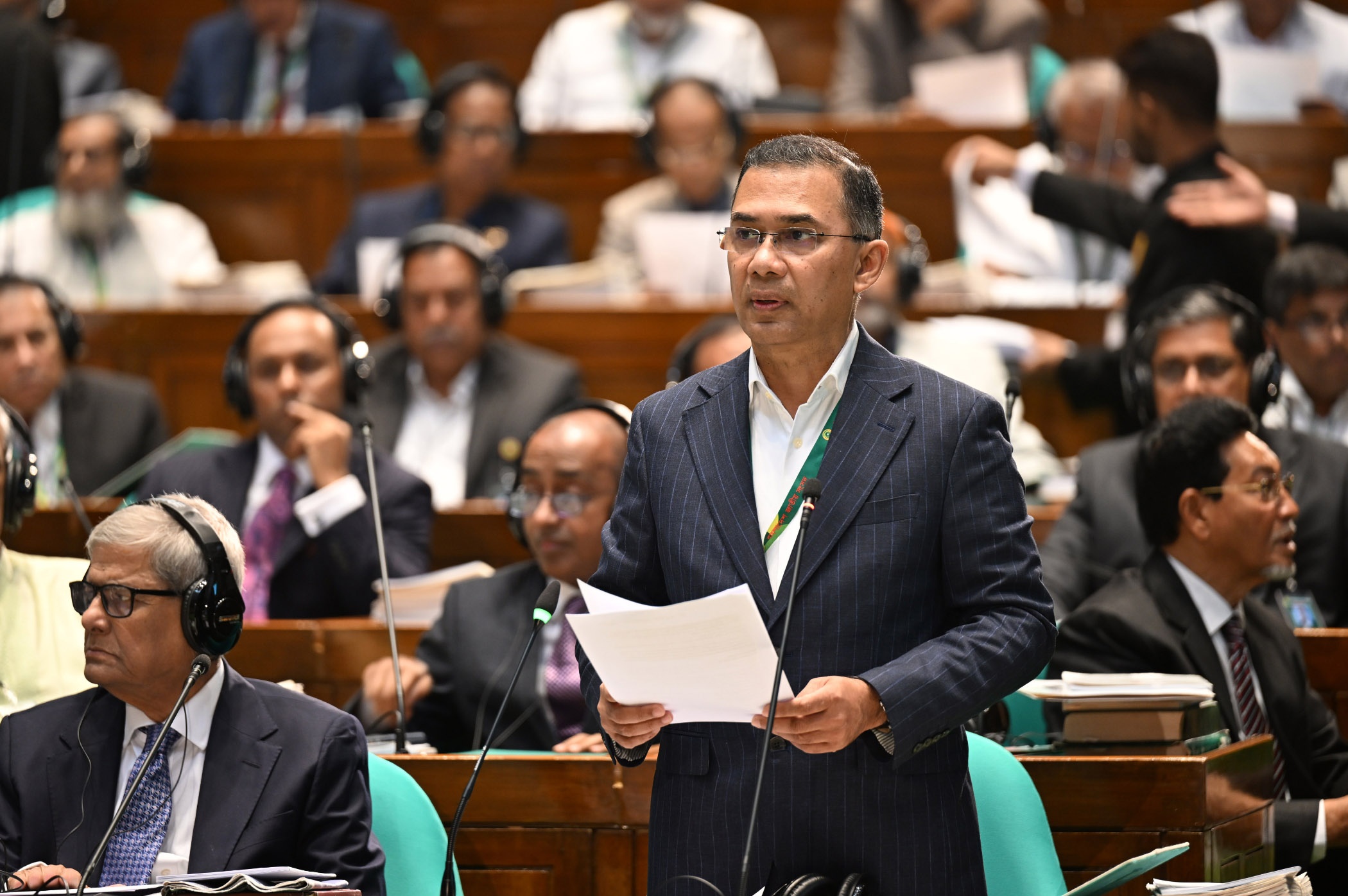
Prime Minister Tarique Rahman will hold bilateral talks with Japanese Prime Minister Sanae Takaichi in Tokyo on 27 October, during a four-day visit that the Foreign Ministry says is meant to widen trade, investment and energy cooperation.
Foreign Secretary Asad Alam Siam told reporters on Tuesday that the two governments are discussing a set of memorandums covering agriculture, fisheries, human resource and skills development, domestic aviation, trade, environmental protection and the modernisation of local government. He said he hoped many of them would be signed during the visit.
Siam said the trip should help accelerate projects already under way, attract new private investment from Japan and expand development assistance. The two leaders are also expected to discuss the Rohingya crisis, the global energy squeeze and efforts to end international conflicts, he added.
Dhaka Post reported that five to six memorandums may be signed, although no treaty is expected. Citing diplomatic sources, it said Bangladesh could ask Japan for about $2 billion in support to soften the pressure of higher energy costs, and would seek lower interest rates on Japanese loans that finance the metro rail, the third terminal at Hazrat Shahjalal International Airport and the Matarbari deep-sea port.
The schedule includes a keynote address at the Japan-Bangladesh Economic Forum and meetings with the Japan International Cooperation Agency, the Japan Bank for International Cooperation and the Japan External Trade Organisation. The prime minister is also expected to visit an LNG terminal and power plant in Katsuura in Chiba, the nuclear headquarters and a Toyota factory in Nagoya.
The visit follows the economic partnership agreement the two countries signed in February and an employment skills memorandum on 17 October, under which Japan is due to begin hiring Bangladeshi workers from April 2027.
Japan is one of Bangladesh's largest development partners and has funded major infrastructure, including the metro rail and the airport terminal. Officials say the government wants to keep Tokyo engaged while balancing ties with other major partners.