ScrollBeat

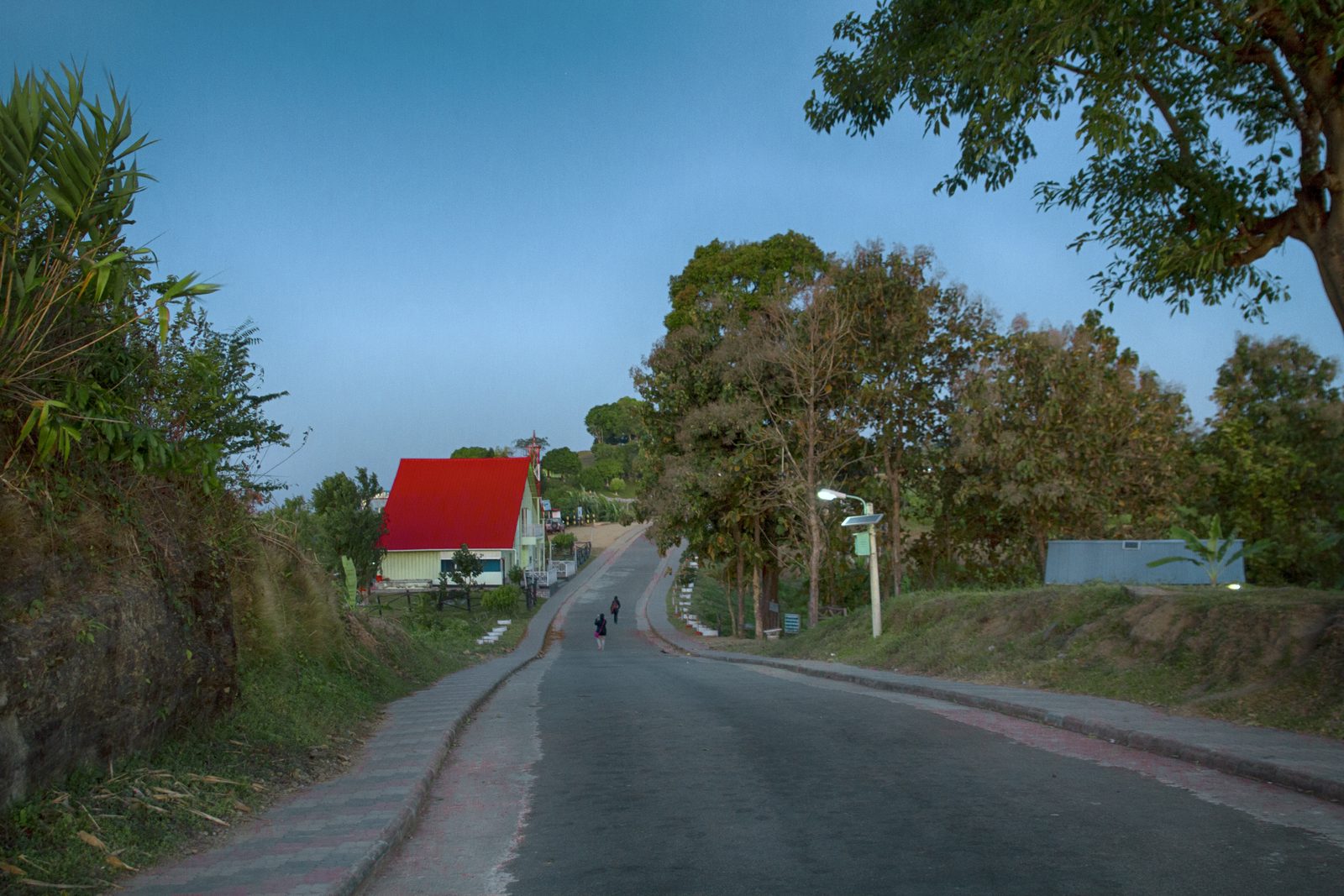
A fresh indefinite blockade of the main road into Sajek Valley left around 2,350 tourists stranded on Thursday, the first day of the shutdown, and the Rangamati district administration closed the hill resort to visitors until further notice.
The blockade began at 6:00am. It was called by the Sajek Karbari Association and the Sajek Gano Odhikar Rokkha Committee. Md Hossain, officer-in-charge of Sajek police station, told The Daily Star that pickets had put logs across the road at several points, including Ujo Bazar, and stopped a convoy of tourist vehicles. Heping Tripura, a lineman at the tourist centre, said about 450 vehicles of different sizes left the valley around 8:30am and were halted at Ujo Bazar, roughly 25 kilometres from Sajek.
Prothom Alo reported that about 2,000 tourists set out at about 9:00am under army and police escort and were stopped about half an hour later. An assistant sub-inspector at Sajek police station, Md Kawsar, told the paper that vehicles had been stopped at Ujo Bazar and that mobile network problems made it hard to establish the passengers' condition. Bangla Tribune gave a later account: at about 11:00am, it said, security forces tried to move the barricades so the tourists could continue to Khagrachhari, and a confrontation followed in which bricks were thrown and gunfire broke out. Tourists reached the area near Dighinala safely, that report said.
Rangamati police superintendent Abdur Rabik told Bangla Tribune that police had "received reports of intermittent gunfire" and that the tourists who had set out had left Sajek safely. He did not say who fired or whether anyone was hurt, and no injury or casualty has been confirmed in the reports reviewed for this article. Babudhan Chakma, convener of the Sajek Gano Odhikar Rokkha Committee, described the blockade as peaceful and said no vehicle carrying tourists would be allowed through.
The two organisations are pressing three demands: the withdrawal of armed members of the Parbatya Chattagram Jana Samhati Samiti (JSS) from Sajek, an end to what they describe as death threats against local people, and a halt to searches of villagers' homes by law enforcement agencies. They have said ambulances, fire engines, vehicles carrying emergency medicine and newspapers, and vehicles used by journalists on assignment are exempt from the blockade.
The JSS rejects the allegations. Sajib Chakma, the organisation's central information and publicity secretary, told Prothom Alo and Bangla Tribune that the claims were propaganda intended to divert attention from what he called years of armed activity and oppression by the United People's Democratic Front (UPDF) in Sajek. Neither the organisers' allegations nor the JSS account has been independently verified.
Thursday's action is the third round of disruption on the road since 11 October. The two organisations called an indefinite blockade that day, then suspended it for 48 hours after assurances from the district administration and the Baghaichhari Zone deputy commander. They resumed it on 15 October, saying the assurances had not been kept, and suspended it again from 16 to 21 October at the request of Durga Puja committees in Baghaihat and Machalong markets.
The shutdown came at the end of a holiday week that had already pushed Sajek far beyond its capacity. The Sajek Resort-Cottage Owners' Association said more than 7,000 tourists arrived on Tuesday, the first day of the five-day break, and more than 4,500 stayed overnight, against roughly 4,000 beds in more than 120 resorts and cottages. More than 1,000 visitors returned that day and over 400 left for Khagrachhari after failing to find a room; more than 300 spent the night in open fields, resort verandas, store rooms, roads and local residents' houses, the association said.
On Wednesday evening the district administration closed the valley until further notice, citing unavoidable circumstances. The public notice, signed by district magistrate Nazma Ashrafi, told tourists to leave by 4:00pm on Thursday. Sajek upazila nirbahi officer Amena Marjin said the administration would take measures to ensure visitors' safety.
The blockade also hits the local economy. Motijoy Tripura, joint general secretary of the resort owners' association, told Prothom Alo that tourists had begun cancelling advance bookings and that a prolonged shutdown hurts residents as well, because it cuts off food supplies and the route farmers use to take produce to market. The road through Dighinala and Baghaichhari is the main land link for tourists, residents, traders and jeep operators.
By Thursday afternoon it was not clear how many tourists remained in Sajek, whether anyone was injured at Ujo Bazar, or how long the blockade would last. Police said they were working to get stranded visitors to their destinations, and the administration's deadline for leaving the valley was 4:00pm. Whether the two organisations will enter talks, and whether security forces will try again to clear the road, remained open questions.
The dispute reflects older friction in the Chittagong Hill Tracts, where rival hill political organisations and armed factions have competed for influence for years. A 1997 peace accord ended the main insurgency, but tensions between groups have continued, and villagers and travellers have often borne the consequences of local rivalries.