ScrollBeat

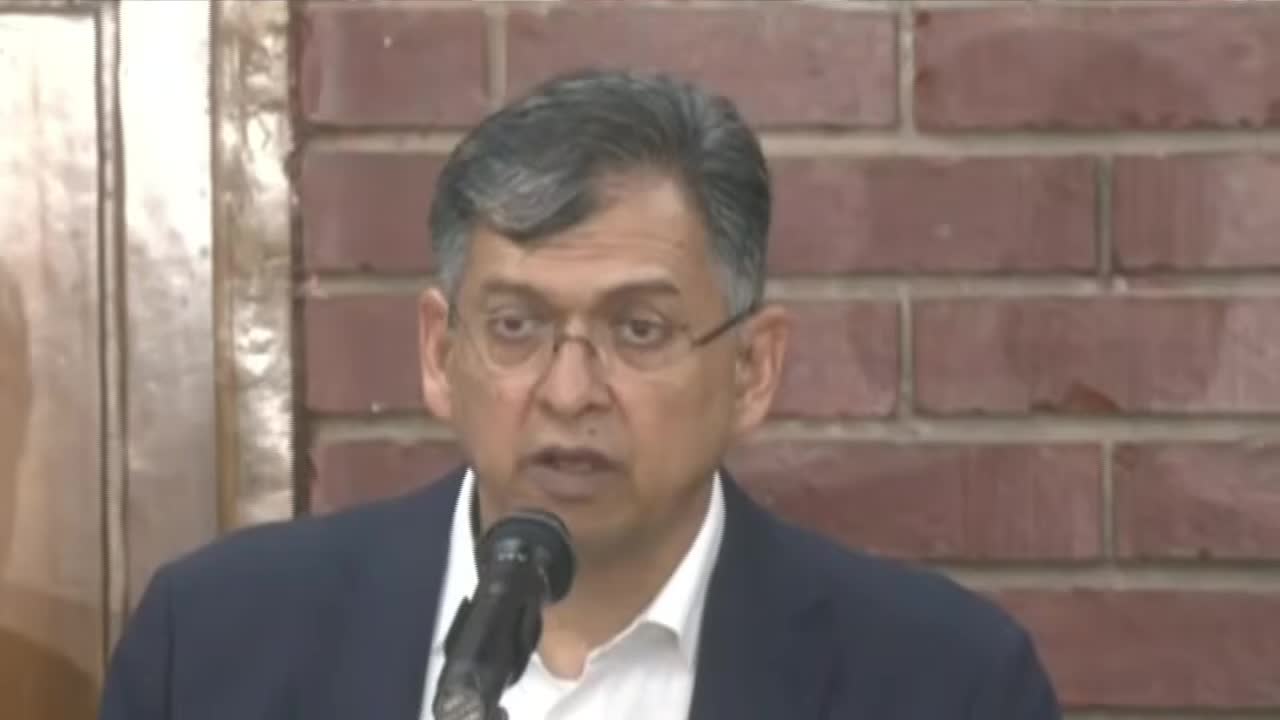
A proposal to put a Speaker chosen with government and opposition agreement at the head of a caretaker government has been discussed by Bangladesh’s constitutional amendment special committee, Home Minister Salahuddin Ahmed said on Saturday, 24 October.
Ahmed, who chairs the committee, spoke to journalists at parliament after a meeting with legal and constitutional experts. The discussion concerned possible arrangements for forming a caretaker administration. It did not announce the appointment of a caretaker chief or a final constitutional provision.
According to Jugantor, Ahmed said participants had proposed keeping the judiciary outside the process and discussing a Speaker-led arrangement with the opposition. His remarks placed the idea among suggestions submitted to the committee, rather than a decision already taken.
Bangla Tribune reported that the ninth meeting took place in parliament’s cabinet room. Lawyers, law professors and educators were invited to offer views on constitutional changes. Around 60 people received invitations, Ahmed said. Some participants submitted written opinions, while others were expected to do so within a week to 10 days.
The alternatives described by Ahmed included using a possible upper chamber to help form a caretaker government if that chamber did not dissolve at the same time as the lower house. Participants also raised a role for an upper-house vice president or a Speaker selected through agreement between the government and opposition, Bangla Tribune reported.
Suggestions extended to choosing advisers by agreement from people other than the Speaker. Ahmed said the committee would examine the proposals and seek written views before setting out the issues in its report. None of these arrangements had been finalised, according to the report.
The distinction matters for readers following the constitutional talks: a suggestion about who could lead an election-time administration does not establish who will hold that role. The committee’s review and the submission of further opinions remain ahead.
Ahmed again called on the opposition to take part in the amendment process. Jugantor reported his position that any request for BNP to relax its notes of dissent should be raised in the committee. Bangla Tribune reported that no decision had been taken on withdrawing or relaxing those reservations.
The consultations also covered MPs’ voting freedom under Article 70, fundamental rights, judicial independence, the balance of presidential and prime ministerial powers, and appointments to constitutional bodies. Those subjects formed part of the wider discussion on constitutional reform and implementation of the July Charter.
For now, the immediate next step described by Ahmed is further written input and committee consideration. The reports do not establish a final selection method, an appointed caretaker head or a date when a new arrangement would take effect.