ScrollBeat

Gunmen opened fire during a funeral at a Greek Orthodox church in southern Jordan on Friday, killing seven people and wounding 34 others, according to the country's Public Security Directorate.
The attack happened in Hmoud, a village in Karak governorate about 120km south of the capital Amman, shortly after a funeral service began. Between 150 and 200 people were inside the church at the time, one witness told the BBC. Officials first reported seven deaths, then revised the figure to six, and later confirmed seven again.
Major General Obaidullah Al-Maaytah, director of the Public Security Directorate, told a press conference in Karak that seven people had been confirmed dead and 34 injured, with 27 of the wounded still being treated in hospital. Interior Minister Mazen al-Faraya called the shooting a terrorist operation carried out by a group of extremists. He said the attack was unprecedented in Jordan's history and was committed by people with "no relationship to humanity".
Witnesses described a sudden burst of gunfire that turned a religious gathering into a scene of panic. Khalid al-Mdanat, who was inside the church, told BBC Arabic that the shooting lasted about 15 minutes and that people threw themselves to the ground and took cover under the pews while others held on to their children. State television Al-Mamlaka broadcast CCTV footage that the BBC said it had verified, appearing to show three gunmen approaching the church, two of them moving to a vehicle entrance before returning with a third. Other accounts put the number of attackers at two or four.
King Abdullah II travelled to Karak after the shooting to check on the injured. Security was tightened around the hospital where they were being treated, and roads were closed as families gathered outside. In a post on X the king said Jordan would confront the attack with the harshest penalties and strike with an iron fist at anyone who overreaches against the country. He said the blood of Jordanians was precious and that the attackers could not divide the nation.
No group had claimed responsibility by Saturday morning, and the government did not say whether any suspect had been arrested or killed. Al-Maaytah said the perpetrators would be caught soon and promised that national unity would not be harmed. Investigators are still working to establish whether the gunmen acted alone, whether they belonged to an organised cell, and what motivated the attack. The conflicting early accounts of how many attackers were involved have not been resolved.
The United Nations Secretary-General Antonio Guterres condemned the shooting through his spokesman Stephane Dujarric, who said an attack not only on a place of worship but during a funeral procession was especially heinous. The United Arab Emirates foreign ministry described it as a terrorist and criminal act, and Lebanon's President Joseph Aoun, a Christian head of state, said the attack violated the sanctity of death and of mourners.
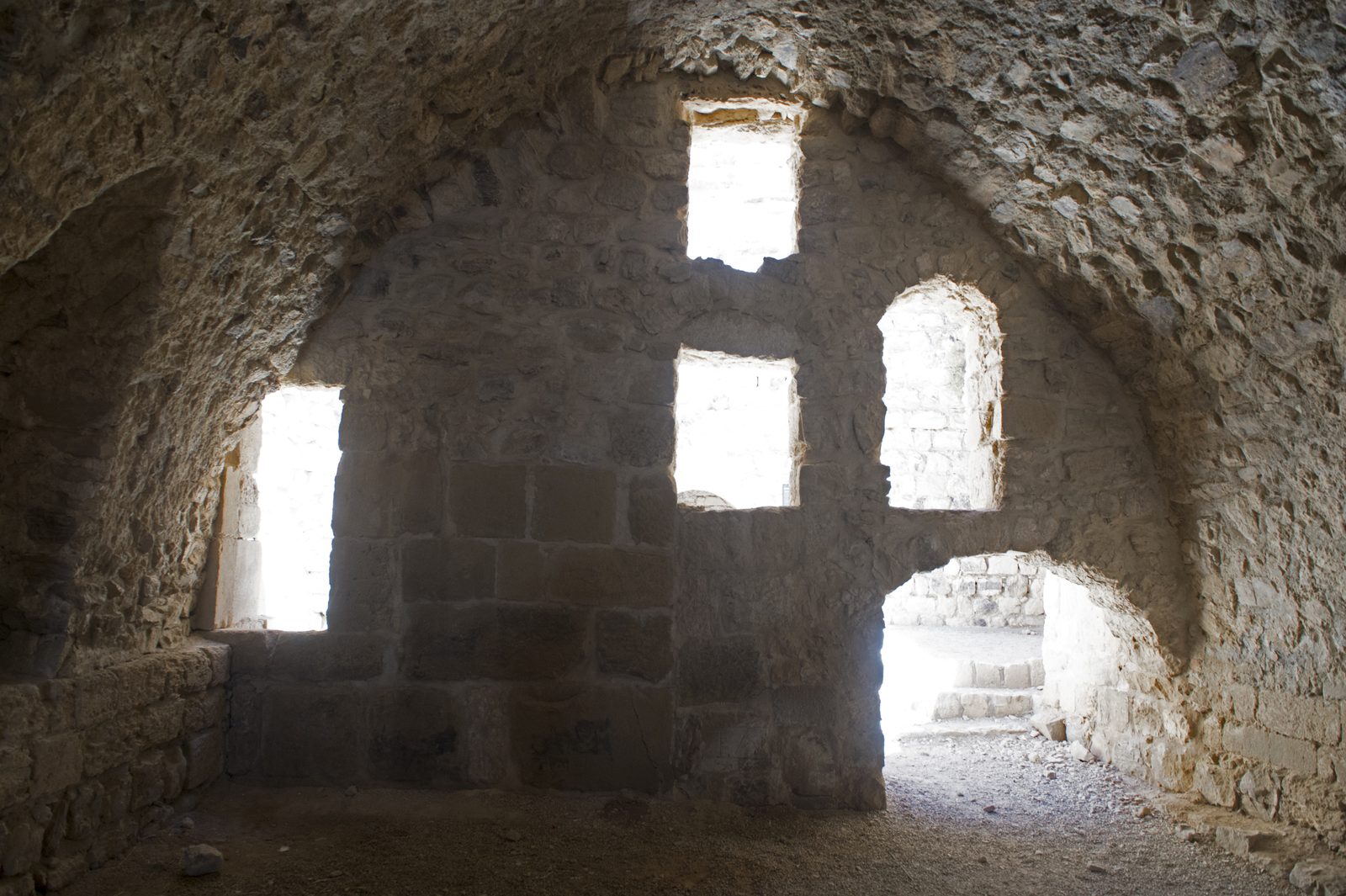
Christians make up a small minority in Jordan, roughly 300,000 people in a population of about 11.5 million, and Karak has a sizeable Christian community. The area is known for churches and mosques that stand close together, and residents describe long-standing interfaith coexistence. Violence against places of worship is rare in the kingdom, but Karak was the scene of a deadly attack in 2016, when fighters affiliated with ISIS holed up in its Crusader-era castle and killed 10 people, including security officers and a Canadian tourist.
The shooting has also raised questions about security in a country that presents itself as a stable corner of the Middle East and as custodian of Christian and Muslim holy sites in Jerusalem. Analysts quoted by Al Jazeera said the attack goes against the message Jordan wants to send to the world, and that Karak's mixed community is likely to respond by emphasising solidarity rather than division.
What happens next will depend on the investigation. Officials have promised arrests and say they are searching for the gunmen across the kingdom. Funerals for the victims are expected in the coming days, and the case will keep public attention on Karak. It is still unknown who ordered or planned the attack, how the gunmen chose the church, and whether any security failure allowed them to reach the funeral unnoticed.