 ScrollBeat

Oil prices climbed to a six-month high on Friday after Iran threatened to strike energy installations, undersea cables, data centres and AI facilities across the Gulf if the United States and Israel launch another round of attacks.
Brent crude, the international benchmark, rose about 3.5 percent during the day and went above $117 a barrel, its highest level since April. It later gave back part of the gain and traded at just over $116, still 2.7 percent up on the day. Before the war began in late February, Brent was near $72 a barrel; it touched $126 at the end of April.
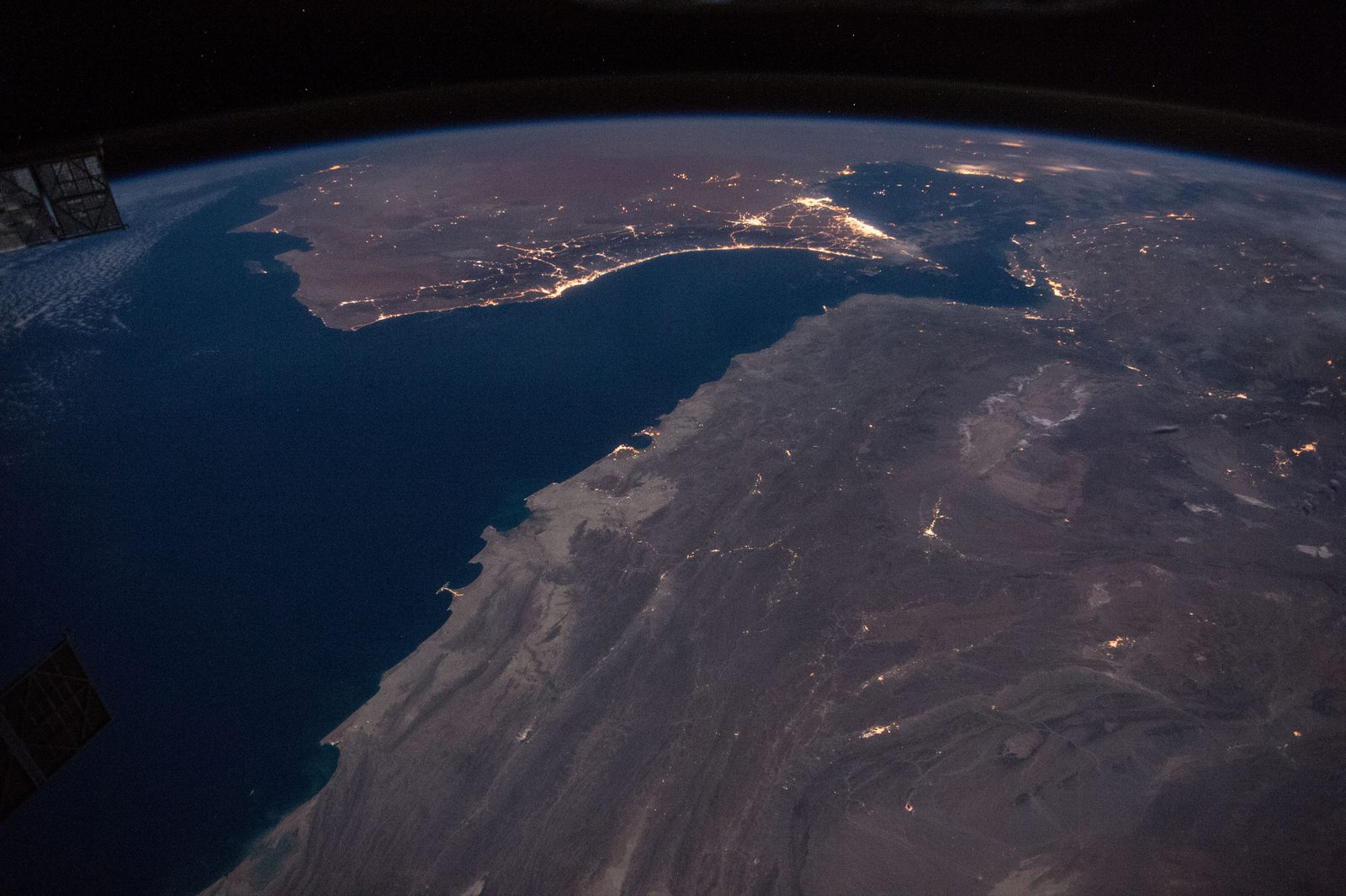
The conflict is now in its eighth month, and the Strait of Hormuz has become its centre. About a fifth of the world's oil passed through the narrow waterway before 28 February, when the United States and Israel launched their war on Iran. Tehran says ships need its permission to transit and has repeatedly attacked vessels using routes it calls unauthorised. The US Navy escorts merchant ships through the strait and rejects Iran's account of the attacks.
This week the two sides gave sharply different versions of what happened in the waterway. Iran's Islamic Revolutionary Guard Corps said on Thursday that four tankers were hit while transferring oil overnight and that three more were disabled after striking mines, seven vessels in a single day and the largest one-day toll since the war began. Iranian state television carried the claim. It did not give the ships' names, flags or owners, reported no casualties, and the claim could not be independently verified.
Washington's account is different. President Donald Trump wrote on his Truth Social platform that Iran was "making up fake hits, mines, and everything else" to push oil prices higher before the US midterm elections on 3 November, and said more oil had moved through Hormuz in the past week than before the war. A US Central Command spokesperson told Al Jazeera that the mine claims were incorrect, that American forces had cleared the international shipping lanes and that Iran was using missiles and drones instead. The strait remained open, with 95 percent of vessels getting through, the spokesperson said.
Prices also moved on reports that Washington could resume strikes on Iran after the midterms, and on this week's Houthi attacks on targets in Saudi Arabia. The US State Department ordered some diplomats and the families of government employees to leave the kingdom. "For ships attempting to cross the strait of Hormuz, it's still a dangerous journey, with projectiles still being fired," Susannah Streeter, chief investment strategist at the broker Wealth Club, said. Richard Hunter of Interactive Investor noted that what many expected to be a short conflict is now in its eighth month.
The waterway matters directly to Bangladesh. Most of the country's crude oil and liquefied natural gas is bought from Middle Eastern producers that ship through Hormuz, and about 70 percent of the 1.7 to 1.8 million tonnes of LPG consumed each year comes from Qatar, Kuwait and Oman, nearly all of it by the same route. Bangladesh needs roughly 7.5 million tonnes of fuel a year, part of it refined products from Singapore, Indonesia, China, Malaysia and India that do not use the strait.
When Iran first closed the waterway in early March, global oil prices jumped about 10 percent within days. Bangladesh Petroleum Corporation said at the time that it held two and a half to three months of stocks and that contracts for refined fuel from outside the Middle East ran until June, while Petrobangla checked whether scheduled LNG cargoes could still get through. Economists and shipping agents warned then that a long disruption would raise freight, production and transport costs and feed into inflation.
Those warnings have not changed. The Bangladesh Shipping Agents' Association said an unstable oil market lifts cargo rates first, and the increase then spreads through factories, farms, buses and power stations. Garment exporters say higher oil prices raise the cost of synthetic fibres and fabrics, and that a prolonged war would also weaken buyers in Europe and the United States. The Gulf is also where a large part of Bangladesh's migrant workforce lives and works, so a wider war would reach jobs and remittances as well as fuel bills.
What remains unclear is how much of Iran's account is accurate. The seven ships have not been identified, no independent maritime authority has confirmed the mine strikes, and no casualties have been reported. It is also unknown whether Israel and the United States will carry out fresh strikes after 3 November, whether Iran would then act on its threat against Gulf infrastructure, and how far oil prices would rise if tankers stop sailing.
The next few weeks will be decided by those military and political choices rather than by anything Bangladesh controls. In Dhaka, the petroleum corporation and Petrobangla will be watching cargo schedules, insurance costs and the dollar price of each shipment. A Brent price that stays above $115 would make the country's fuel import bill larger at a time when the government is already trying to hold down inflation and protect reserves.