ScrollBeat

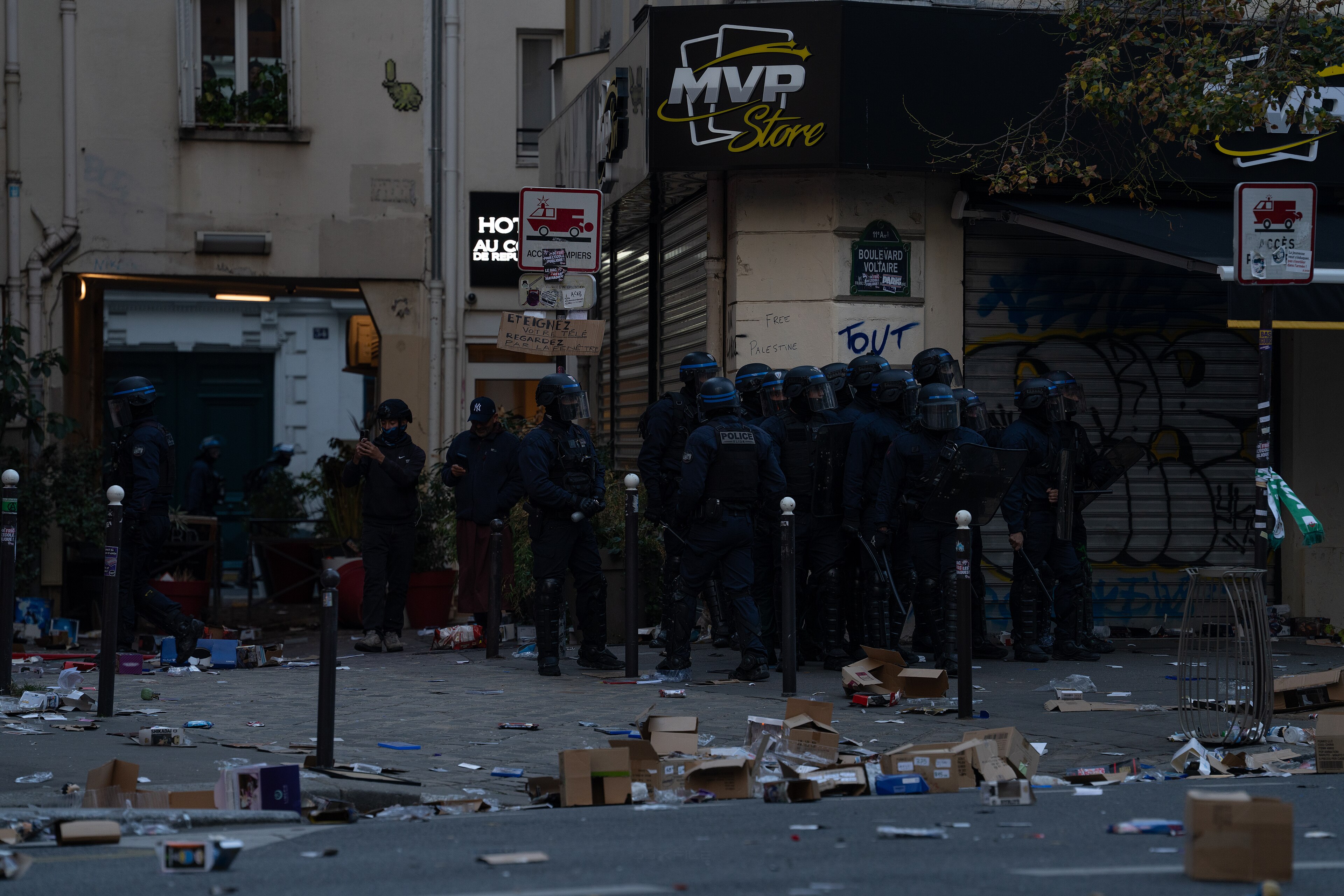
France will keep night-time curfews in place on Tuesday and extend them wherever needed, Prime Minister Sébastien Lecornu said, after weekend riots that damaged public buildings, looted shops and led to more than 2,500 arrests.
Lecornu said the targeted restrictions introduced in Paris and other cities on Monday had helped keep the night calm, and that new curfews would be decided "where the situation requires it". Parts of Paris, Marseille, Lille, Bordeaux and Nice have been placed under curfew.
The unrest began on Saturday, when largely peaceful student protests over poor conditions in high schools and the rising cost of living turned into some of the worst street violence France has seen in years. More than 3,000 businesses were hit by looting, according to preliminary estimates, and 67 people have already been jailed. Officials said the violence came six months before the presidential election.
The government is also under pressure to respond to the cost-of-living complaints behind the protests. President Emmanuel Macron, on a tour of the Gulf, secured an extra 200,000 tonnes of diesel a month from the United Arab Emirates and Bahrain, his office said. Added to 95,000 tonnes previously agreed with Saudi Arabia, the shipments amount to about 10 per cent of France's monthly consumption.
Interior Minister Laurent Nunez offered to resign on Sunday, saying police had lost control during the unrest. Macron rejected the offer. Lecornu has called emergency meetings, including talks with major social media platforms, and will meet trade unions on Wednesday and political parties on Thursday.
The violence has injured demonstrators as well as damaging property. In Mulhouse, a 17-year-old girl lost an eye, and in Saint-Etienne a 17-year-old boy lost a hand to a grenade, according to reports cited by AFP.
The political reaction has been sharp across the spectrum. Far-right presidential candidate Marine Le Pen called the unrest a wake-up call that exposed a deep crisis of authority, while US President Donald Trump said the trouble was caused by immigration rather than schools.
Several countries, including the United States, China and Germany, have issued travel advisories for their citizens in France. Police said the night from Monday to Tuesday passed without major incidents, but new protests have been called for the coming weekend.