ScrollBeat

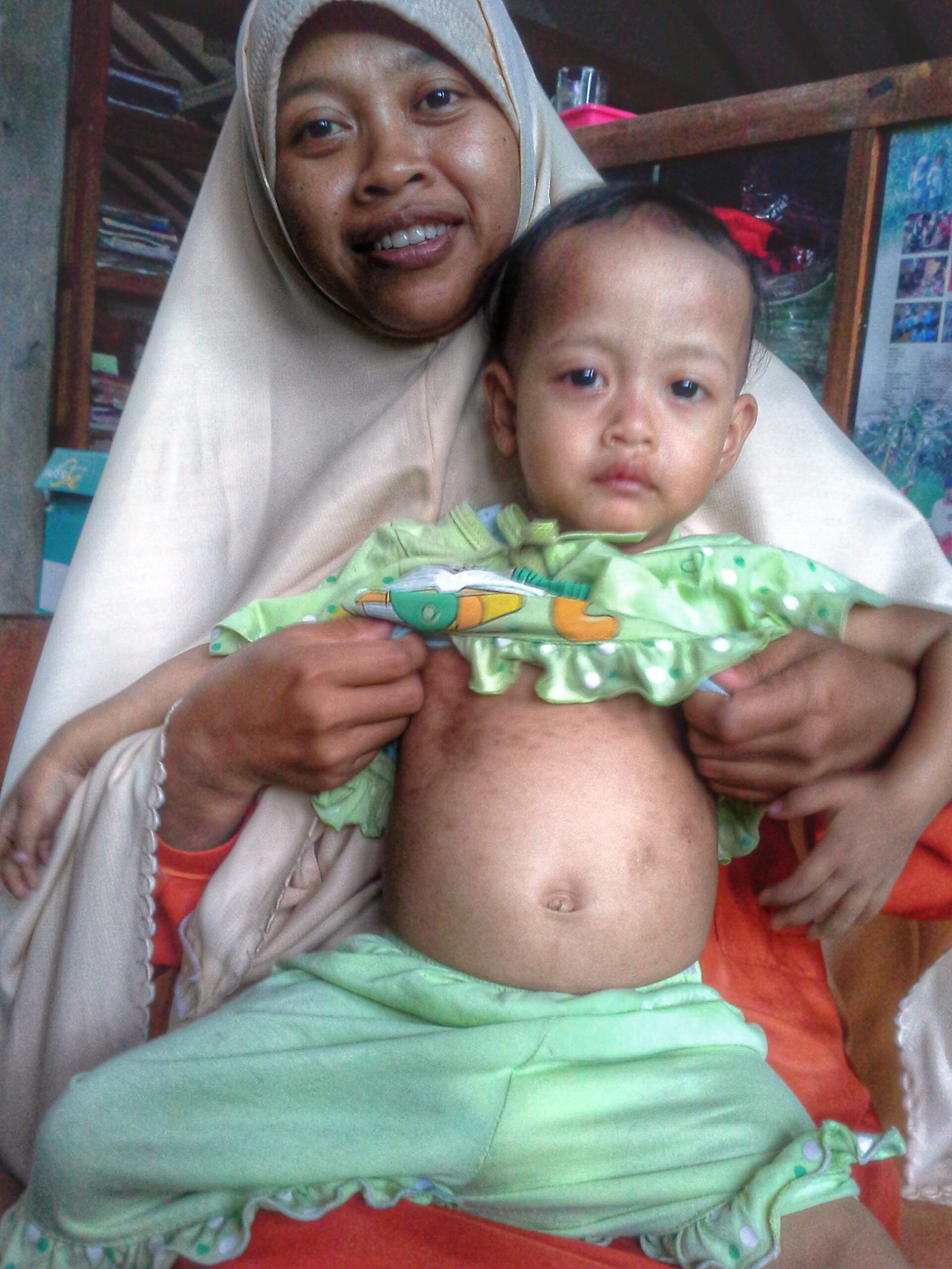
Eight more children died with measles-like symptoms in Bangladesh in the 24 hours to 8:00am on Saturday, taking the combined death toll from the outbreak to 1,222 since the health directorate began publishing figures on 15 March.
The Directorate General of Health Services counted 104 of those deaths as laboratory-confirmed measles and 1,118 as suspected. The suspected category covers patients who died with measles symptoms but were never tested. No new confirmed death was recorded in the latest update, and three of the eight latest deaths were in Dhaka division, all of them in Dhaka district.
The same bulletin recorded 1,014 new suspected infections, raising the cumulative suspected caseload to 219,884, and 51 new laboratory-confirmed cases, for a confirmed total of 23,324. Hospitals have admitted 195,514 patients with suspected measles since March, of whom 187,605 have been treated and discharged.
The outbreak began in early March and has run for more than seven months, with cases reported across the country. Bangladesh had recorded no measles deaths and only 132 infections in the year before the outbreak, according to Prothom Alo, a reversal that health experts link to immunity gaps built up over several years.
The government's first emergency measles-rubella campaign ran from 5 April to 20 May. It was launched in 30 upazilas of 18 districts, extended to four city corporations and then made nationwide. Officials initially set a target of 18,015,064 children aged six to 59 months, but later calculations put the number in that age group about 4.4 million higher. Some areas reported coverage above 100 per cent, which the Expanded Programme on Immunisation attributed to children older than 59 months being vaccinated.
Surveys by the World Health Organization and UNICEF nevertheless found unvaccinated children in cities and villages. A vitamin A campaign that reached 22.36 million children in the same age band suggested that about 4.36 million had missed measles vaccination. After follow-up rounds, the health ministry said 2.4 million children were still unreached.
That gap led to a second nationwide catch-up campaign, launched on 26 September and due to run until 31 October, targeting 3.4 million children aged six to 59 months: 2.4 million described as previously missed and one million who had newly turned six months old. The directorate said 19,861,530 children had been vaccinated by 25 September.
Health Minister Sardar Md Sakhawat Husain told the launch in Dhaka's Korail that teams would go into villages rather than wait at campaign centres, so that no eligible child was left out. Director General of Health Services Professor Pravath Chandra Biswas said vaccination was the main way to bring the outbreak under control and that the aim was to cover every child aged six to 59 months. He also noted that isolating a sick child is difficult for poor families living in small homes.
The size of the remaining task is disputed. Two days before the campaign began, EPI officials said field offices had reported only about 1.2 million children who had missed vaccination, well short of the 2.4 million in the national plan, according to bdnews24.com. EPI assistant director Hasanul Mahmud said the plan drew on ministry estimates and vitamin A campaign figures, and that the eligible population changes daily as children reach and pass the age limit.
Visits by bdnews24.com to Barishal, Cox's Bazar Sadar, Mirpur and Naogaon found no house-to-house health workers asking families about unvaccinated children at the start of the drive. Former IEDCR director Professor Mahmudur Rahman questioned whether the reported coverage could be accurate, arguing that if it were, the outbreak would have visibly shrunk. Vaccine expert Tajul Islam A Bari said door-to-door listing, used in earlier campaigns, was not done this time.
Two groups remain outside the campaign. Routine immunisation gives the first measles-rubella dose at nine months and the second at 15 months, and the emergency campaigns covered children aged six to 59 months. Government data show that infants younger than six months and children older than five are also falling ill. Mahmudur Rahman said about one in ten current patients is under six months old. No decision has been announced on how to protect either group; the director general said IEDCR and icddr,b are studying the question.
Most hospital patients are treated on symptoms rather than a laboratory result, so the split between confirmed and suspected cases depends on testing. That limits how precisely the outbreak's true size can be measured.
What happens next depends on the catch-up drive, which ends on 31 October, and on daily health directorate updates that will show whether admissions fall. Bari has argued that protecting children aged six months to 15 years, roughly 60 million people, is what would break transmission; a 2014 campaign reached more than 50 million children.