ScrollBeat

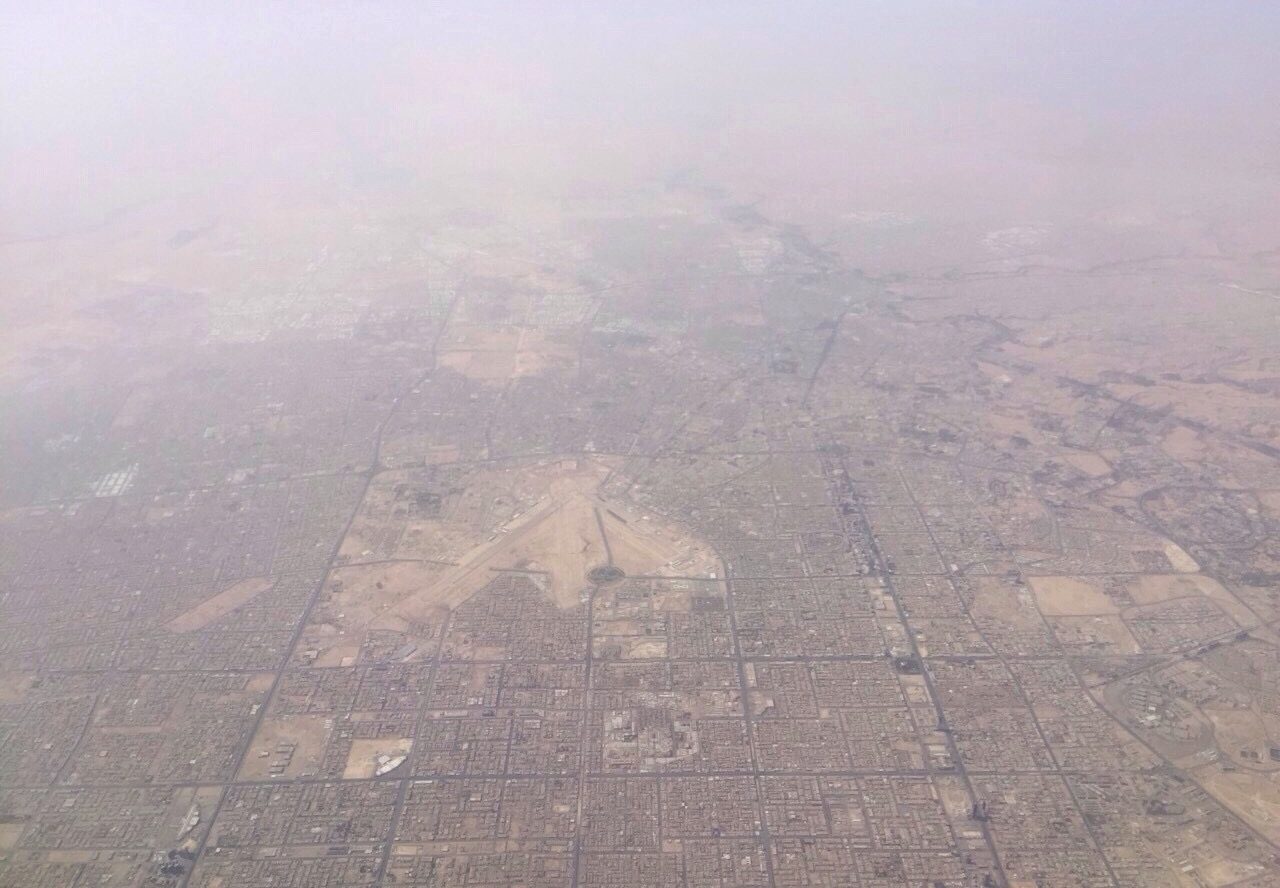
Yemen's Houthi group said on Saturday that it had carried out a new round of missile and drone attacks on airports and oil facilities in Saudi Arabia, while Saudi authorities reported that debris from intercepted missiles fell in the Mecca and Medina regions. Neither account could be independently verified, and Saudi Arabia did not confirm that any of the claimed targets was hit.
Houthi military spokesman Yahya Saree said the group targeted King Khalid International Airport in Riyadh "in two phases", as well as airports in Dammam in the east and Najran in the south. He also said it struck an Aramco facility in Yanbu, the Rabigh oil refinery, oil infrastructure and an airbase, according to accounts carried by the AFP news agency and Al Jazeera. The group described the operations as precise.
Saudi Arabia's civil defence agency said on X that it had responded to falling shrapnel after the interception of two ballistic missiles in the Mecca and Medina regions, the two holiest cities in Islam. It said some debris fell in Wadi Mughammas, outside Mecca. The Saudi Press Agency published images that appeared to show a large, blackened missile-shaped object on the ground, Al Jazeera reported.
The Houthis rejected the suggestion that they had aimed at the holy cities. "What the Saudi enemy is promoting about our forces targeting towards the holy areas of Mecca and Medina is a great and huge lie," Saree said. The secretary-general of the Gulf Cooperation Council, Jasem Mohamed Albudaiwi, called the attacks "heinous" and said they showed a blatant disregard for civilian life.
The group presented the strikes as retaliation for Saudi air raids in Yemen. Its Al-Masirah television channel said a strike on a house in Sanaa killed four people, another on a residential building for cement factory workers killed eight, and a third outside Hodeida killed five members of one family, a toll of 17. Riyadh has not said it carried out those raids, and the reports could not be checked independently.
There was also fighting around Aden, the seat of Yemen's internationally recognised government. The government's Transport Ministry said the Houthis fired two ballistic missiles at Aden International Airport, the fourth such attack this month, and that the coastguard headquarters and a second building were hit. The Houthis said they targeted the al-Nasr camp and the city's naval base. Yemen's army said a Houthi missile malfunctioned and fell on a family home in Sanaa on Friday, killing three people.
Yemeni army spokesman Colonel Majed Abdullah al-Nazili said government forces had carried out more than 700 operations across the country in 24 hours, "neutralising" 300 Houthi fighters and disabling vehicles. Al Jazeera said it could not verify those figures.
The exchange is the latest stage of a conflict that has widened since a fragile ceasefire agreed in 2022 collapsed in July. On 10 October, an attack on King Khalid International Airport that the Houthis claimed killed at least 12 people and wounded more than 300, the deadliest strike on the kingdom in more than a decade. Flights were suspended and later restored in stages.
Late on Saturday, the airport said Terminal 1 would handle domestic flights and Terminal 2 international flights operated by national carriers from Sunday. Hours later, Saree renewed a warning to airlines, airport staff and travellers, saying the airport remained a "military target" and that attacks on it would continue. Air India said passengers with confirmed bookings issued on or before 24 October could rebook flexibly or take a full refund, and offered a one-time complimentary change to other destinations it still serves in Saudi Arabia.
The strikes matter beyond the Gulf. Saudi Arabia is a major destination for Bangladeshi migrant workers and a large source of remittances, and thousands of Bangladeshis travel to the kingdom each year for work and Umrah. Renewed disruption at Riyadh or Dammam airports can delay those journeys, while any sustained risk to Saudi oil infrastructure feeds into crude prices, freight and the fuel import bill that Bangladesh already carries.
Several important questions remain open. It is not known whether any of the Houthi missiles or drones reached their intended targets, what damage they caused, or whether there were casualties. Saudi officials have confirmed interceptions and debris but have not given a full account of the attacks, and the claim about the holy cities is disputed by the two sides. The scale of the reported Saudi strikes in Yemen is also unconfirmed, as are the Yemeni army's battlefield figures.
The immediate test comes at Riyadh's airport on Sunday, when the new terminal arrangement is due to take effect under a public Houthi threat to keep targeting it. Airlines will decide whether to keep flying, and oil markets will weigh the risk to Yanbu, Rabigh and the kingdom's other energy sites when trading resumes. In Dhaka, the points to watch are fuel prices, air links to the Gulf and the remittances that millions of Bangladeshi households depend on.