ScrollBeat
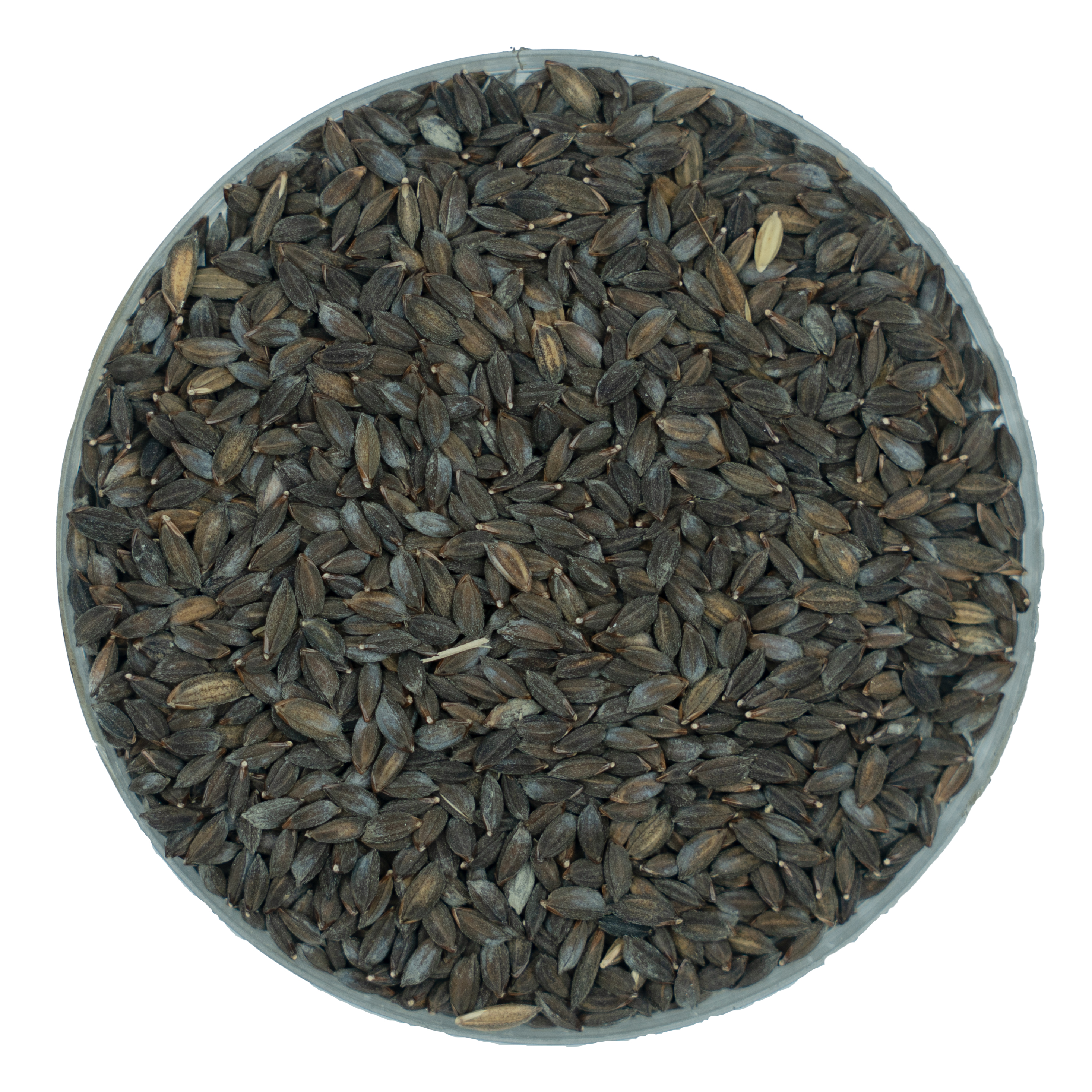
Bangladesh has lowered its targets for selling subsidised rice and flour to low-income households through the Open Market Sale (OMS) programme, after the government cut the scheme's subsidy for the current fiscal year.
Food Ministry data presented at the first meeting of the parliamentary standing committee on the ministry on 15 October set an OMS target of 240,000 tonnes of rice and 350,000 tonnes of flour for FY27, The Business Standard reported. In FY26 the government sold 304,000 tonnes of rice and 449,000 tonnes of flour.
The subsidy allocation for OMS was cut by Tk 685 crore to Tk 3,411 crore, down from Tk 4,096 crore a year earlier. A Food Ministry official, speaking on condition of anonymity, said the allocation was adjusted as part of wider changes to social safety-net spending and that the decision was not final; more funds could be provided if needed.
Under the programme, rice sells at Tk 30 a kilogram, loose flour at Tk 24 a kilogram and a two-kilogram packet of flour at Tk 55, through 1,125 outlets run by dealers nationwide. The government has also stopped selling rice through the Trading Corporation of Bangladesh this year, after offering it at subsidised prices last year.
The move follows an existing slide in subsidised distribution. Food ministry data show the government distributed 7.55 lakh tonnes of grain in July-September of FY27, down 7 percent year on year, with OMS sales falling 22 percent to 2.05 lakh tonnes, The Daily Star reported.
Economists warned that the timing is difficult for poor households. "In view of inflation, food distribution should have been increased. We see the opposite," said Nazneen Ahmed, executive director of the Centre for Policy Dialogue. Selim Raihan of the South Asian Network on Economic Modeling said cutting food distribution at such a time risks worsening food insecurity and indebtedness.
Trading Corporation of Bangladesh data around mid-October put medium-quality rice at Tk 56-65 a kilogram in Dhaka, while market visits found coarse and medium varieties had risen by Tk 1-2 a kilogram over the previous week.
Pressure on households remains high. September's 12-month average inflation was 8.65 percent, and the World Bank says about 6.2 crore people are one economic shock away from poverty, with national poverty projected to rise to 22.5 percent in 2026. The UN Food and Agriculture Organization has projected that about 1.81 crore people would face acute food insecurity between September and December.