 ScrollBeat

Dengue has shifted sharply away from Dhaka this year, with almost 40 per cent of all hospital admissions recorded in 19 coastal districts that have no dedicated prevention programme, according to health directorate data analysed by Prothom Alo.
Between 1 January and 17 October, hospitals in the coastal districts admitted 43,148 dengue patients, or 39.6 per cent of the 110,312 admissions nationwide. The same districts recorded 117 of the 342 deaths reported in that period, about 34 per cent.
The share is the highest since dengue re-emerged in Bangladesh in 2000. Coastal districts accounted for 30.4 per cent of admissions in 2023 and about 34.7 per cent last year.
At Mongla upazila health complex in Bagerhat, 31 dengue patients were being treated on 18 October in a hospital with 50 beds. The facility has admitted 532 dengue patients this year, more than in any previous year, said Dr Md Shahin, the upazila health and family planning officer.
"The number of patients admitted does not capture how serious this is. The real situation is worse," he told Prothom Alo, adding that most patients come from Mongla municipality, where drinking water is scarce and rainwater is stored in containers that become breeding sites.
Public health specialists and entomologists point to several factors: coastal areas were relatively new to dengue, households store water because of salinity and scarce supply, waterlogging persists where drainage is poor, and betel nut trunks and flower nurseries hold water.
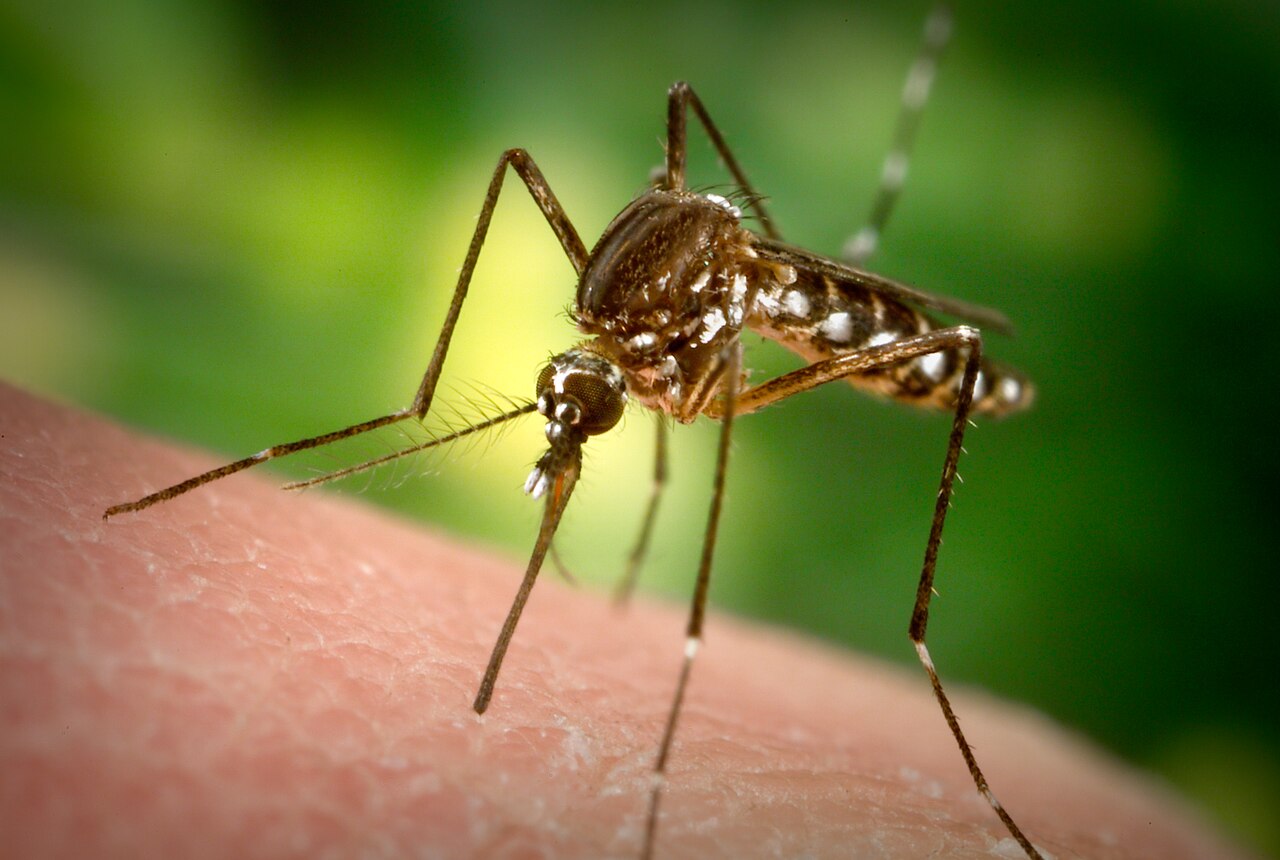
A survey by the Institute of Epidemiology, Disease Control and Research in Barguna in August found Aedes larvae in 26 of 134 water containers, with a Breteau index of 53, far above the level considered risky. About 58 per cent of the mosquitoes collected were Aedes albopictus rather than the more common Aedes aegypti.
Prof Halimur Rashid, director of the disease control branch at the health directorate, acknowledged that there is no coastal-specific programme. "Work is going on across the country to control dengue, but it is true that there is no special programme for the coast," he told Prothom Alo.
Prof Kabirul Bashar of Jahangirnagar University said the virus moves on once an area has had a heavy outbreak, and that the coast offered favourable conditions for Aedes breeding. Public health expert Dr Mushtuq Hussain said hospital figures understate the burden because they record where patients are treated, not where they were infected.
Nationally, the death toll reached 352 on 20 October, with 114,251 hospital admissions this year, according to the Directorate General of Health Services. The Daily Star reported that 99 deaths were recorded at Dhaka Medical College Hospital and 65 in Khulna division, and that experts blame late diagnosis and delayed referral for many fatalities.