ScrollBeat
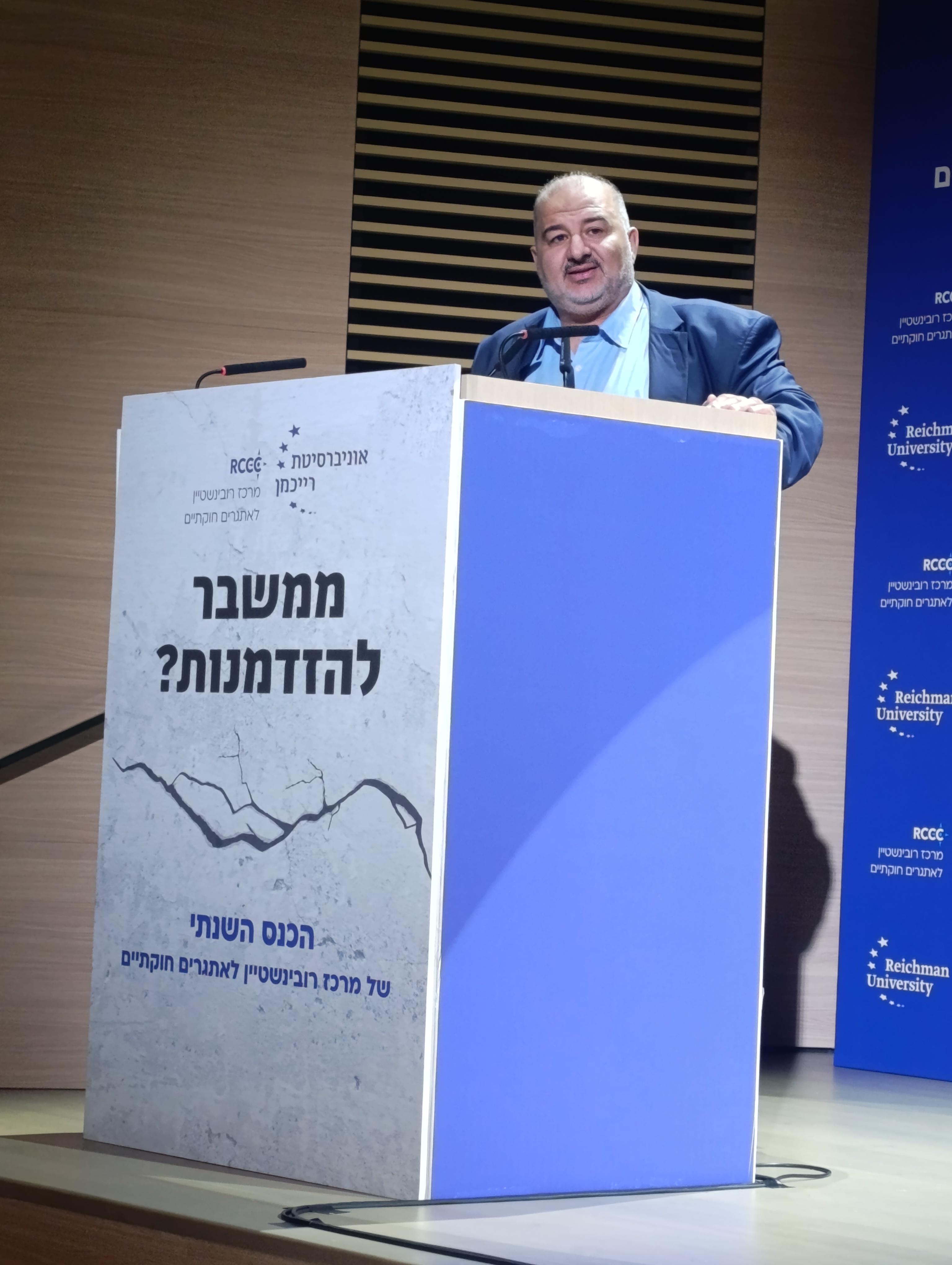
Mansour Abbas, the leader of the socially conservative Islamist party United Arab List, or Ra'am, could be the kingmaker in Israel's Knesset election on 27 October, as polls point to a deadlock in which neither main bloc can easily form a majority.
Israeli election advertising has cast Abbas as a central danger. In campaign spots, Prime Minister Benjamin Netanyahu warns Jewish voters that if he is voted out, Abbas will hold the real power in the next government and will push for a Palestinian state.
In practice, Abbas's stated priorities focus on Israel's Arab citizens, who make up about 20 per cent of the population, and on issues such as violent crime and housing rather than the West Bank and Gaza. Ra'am was created in 1996 by a branch of the Islamic Movement in Israel.
In 2021 Abbas broke a taboo by bringing an Arab party into an Israeli governing coalition for the first time, serving as a partner in a government that lasted a little over a year. This time, the second name on his party list is a mainstream Jewish candidate, the former police investigations chief Yoav Segalovitz.
Netanyahu and his chief rivals, including the centrist Gadi Eisenkot and the centre-left leader Yair Lapid, have said they will not form a coalition with Arab-led parties, even if that means months of gridlock or another election.
Recent polls put the opposition's Jewish parties at roughly 58 to 60 seats and Netanyahu's bloc at about 50, with Ra'am on five to seven seats in the 120-member Knesset. Yousef Jabareen, who leads the less conciliatory Joint List of Arab parties, called the stakes in the vote "existential".