 ScrollBeat

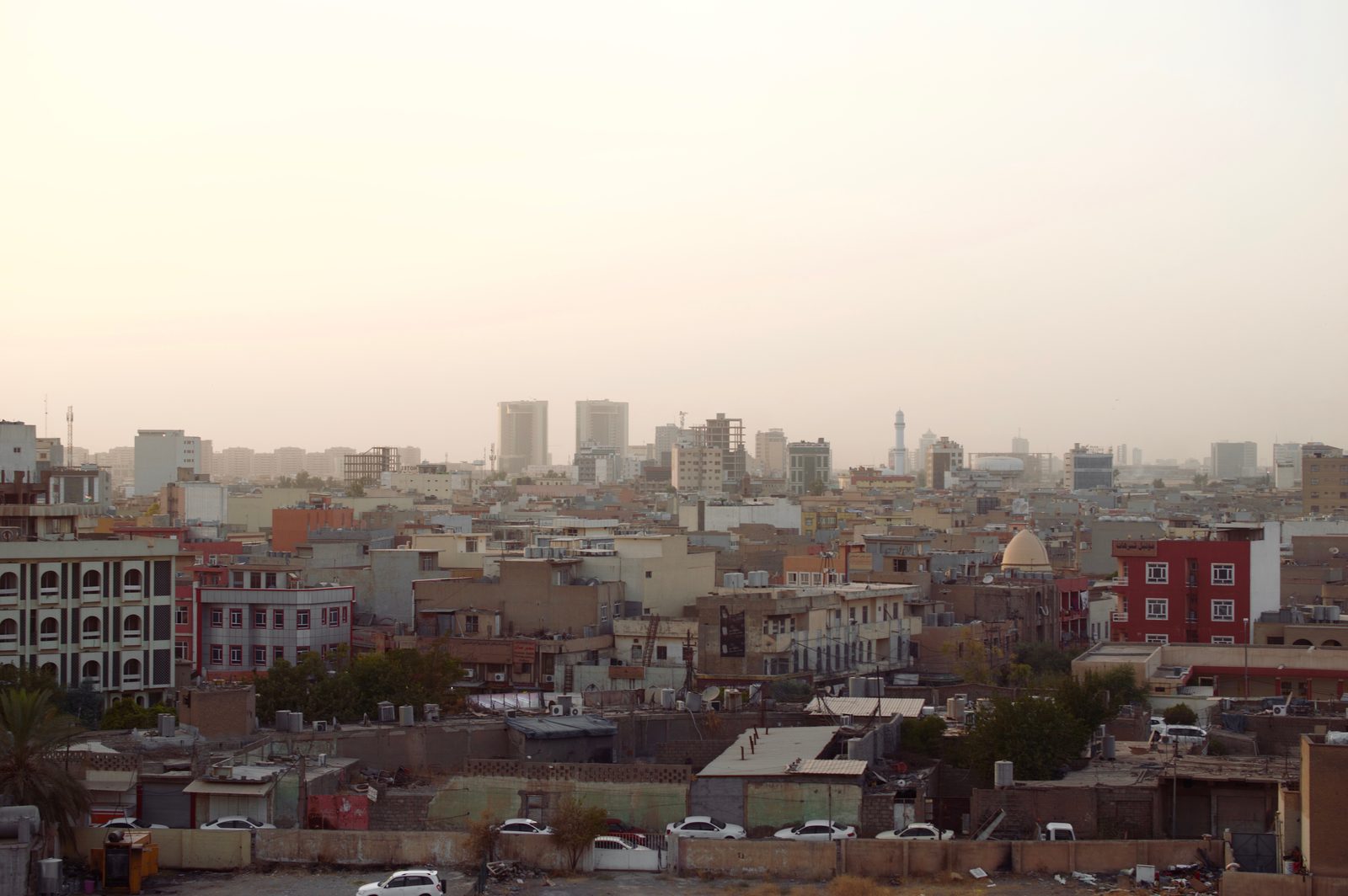
Iraq's Kurdistan Region has cut the fines it charges foreign nationals who overstay a visa or let a residence permit expire by 75 percent, a concession that covers Bangladeshi workers living in the region and lasts until the end of the year.
The decision was issued by the region's interior minister, Rebar Ahmed, under order number 32557 on 15 October, and was announced by the Kurdistan Regional Government's interior ministry. Bangladesh's embassy in Baghdad passed the notice to the Bangladeshi community on Wednesday. Under the order, a foreign national who qualifies pays only 25 percent of the total penalty accumulated for the delay.
The reduction is limited to people who entered the Kurdistan Region legally on a visa but were then unable to extend it, convert it into a residence permit or renew a permit that had expired. The fines covered are those set out in the regional interior ministry's Instruction No. 1 of 2021, which sets the scale for late visa and residency penalties.
To benefit, a foreign national must go to one of the region's residency directorates before 31 December 2026 and complete the paperwork there. The embassy advised workers to bring the documents that apply to their case and to confirm the conditions with the directorate before paying. The notice says applications must be made in person; it does not mention a postal or online route, and it does not extend the discount to anyone who entered the region without a visa.
The Kurdistan Region, whose main cities are Erbil, Duhok and Sulaymaniyah, hosts a large foreign workforce, including Bangladeshis employed in construction, shops, cleaning and hospitality. Foreign nationals are required to renew their visas and residence permits before they expire. When an employer delays the paperwork, a worker changes jobs or a permit lapses during a trip home, the penalty grows with every month of delay and can quickly exceed what a worker earns.
The interior ministry said the measure was meant to give foreign nationals a chance to regularise their legal status at a much lower cost before the deadline. Kurdish outlets reported that the order was dated 15 October and formally announced on Sunday, three days later, before Bangladeshi missions began circulating it this week.
What the notice does not say is how many people it covers. Neither the Kurdistan Regional Government nor the Bangladeshi embassy has published a figure for the number of Bangladeshis living in the region, the number who have overstayed, or the size of a typical accumulated fine. It is also unclear whether people whose cases have already gone to court, or who are in deportation proceedings, can use the reduced rate, and whether every residency office will apply the same documents and fees. The embassy notice gives no telephone helpline or office in the region where Bangladeshis can get help with the forms.
For workers who qualify, the practical effect is a smaller bill and a chance to obtain a valid permit before the end of the year. Those who miss the deadline return to the full penalty under the 2021 instruction, and an expired permit leaves a worker exposed to checks, fines and possible removal. Workers whose passports are held by an employer have a separate problem, and the notice does not address it.
The regional government has offered temporary relief on overstay penalties before, usually for limited periods, and this window follows the same pattern. It eases the cost of fixing a status that has already lapsed, but it does not create a route for people who never had a legal entry, and it does not change the underlying rules that require a valid visa and permit at all times.
The deadline is 31 December 2026. Anyone who intends to use the reduction should contact a residency directorate well before then, because the process involves an application, a payment and, in some cases, an employer's letter, and offices are likely to be busier as the date approaches.