ScrollBeat

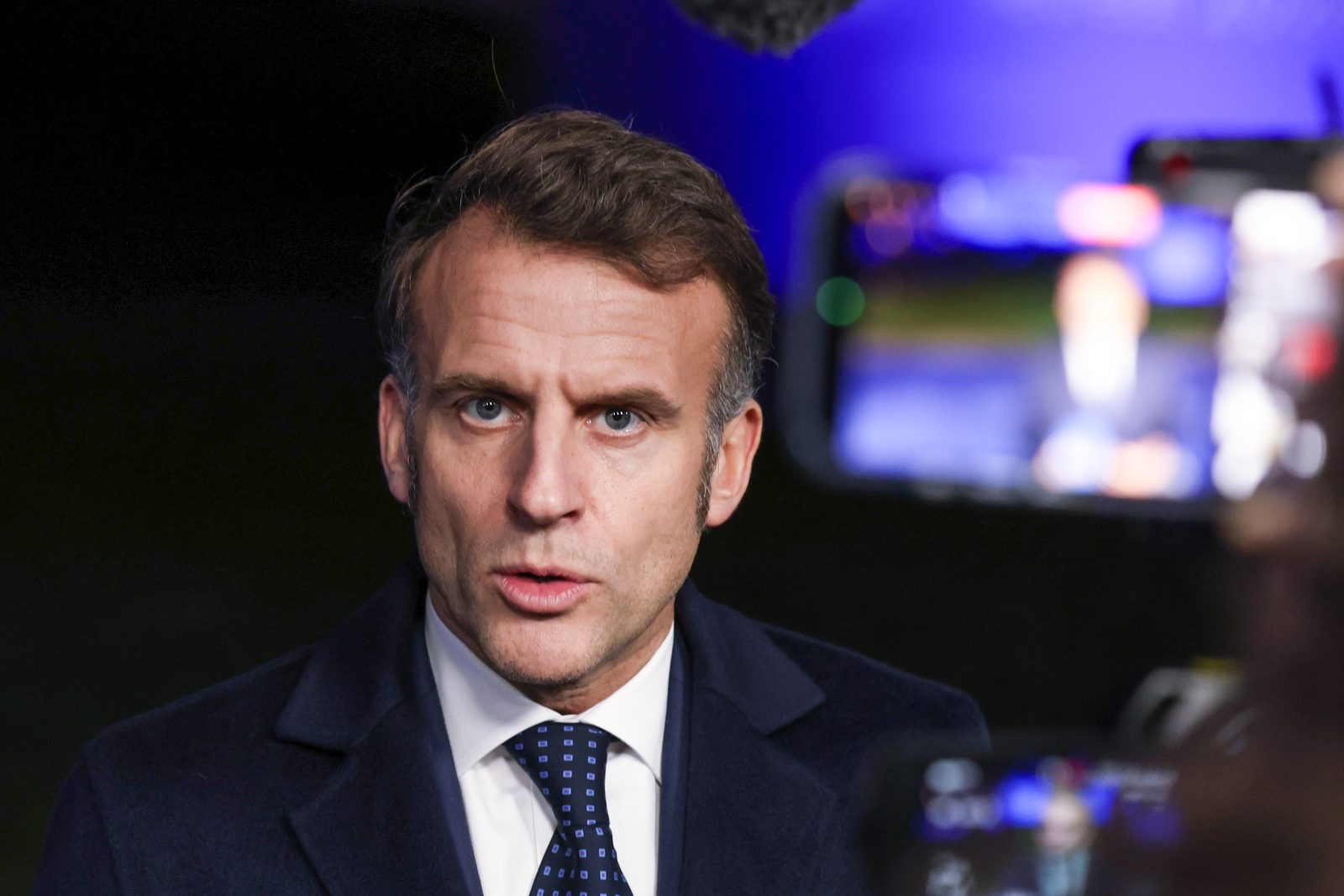
President Emmanuel Macron on Wednesday rejected claims by President Donald Trump and other foreign leaders that Muslim migrants were responsible for the rioting that has shaken French cities, describing the assertions as "stupid" and politically motivated.
Speaking to reporters in Doha at the end of a tour of Gulf energy suppliers, Macron said there had been "foreign manipulation of information in the aftermath" of the looting in Paris and other cities last weekend. "And that has led to comments that are as unacceptable as they are stupid, from many people, including foreign leaders," he said. Asked whether he was referring to Trump, Macron replied: "Among others."
Macron said images generated by artificial intelligence had depicted "scenes that never actually happened in France", and that claims the country had been "invaded by hordes of migrants and Islamists" were "completely false". He did not say which images he meant or explain how he had established that they were fake.
The remarks widened a dispute that has run through the US midterm campaign. Trump, campaigning for Republican candidates, has repeatedly tied the French unrest to immigration, saying the violence involved "migrants, jihadists, and communists". He wrote on his Truth Social platform that "France is burning" and urged Macron to "close your borders and take control before it is too late". On Tuesday he also praised French far-right leader Marine Le Pen, the frontrunner in the race to succeed Macron.
Israeli Prime Minister Benjamin Netanyahu, who also faces an election, said France had been hit by an "invasion of extremist Islam", according to AFP. French officials have rejected that characterisation. Foreign Minister Jean-Noel Barrot said his office could provide governments with clarification "to help them avoid spreading or amplifying false information and making baseless claims on social media".
The unrest began after nationwide marches on Saturday against the cost of living, in which more than half a million people took part, following four weeks of student protests over conditions in schools. Masked youths clashed with police, looted shops and damaged public buildings. The government acknowledged it had "lost control" of the situation, and authorities imposed nighttime curfews in parts of Paris and several other cities.
Macron's comments were also aimed at critics at home. "The fact is, all the people who are speaking ill of our country right now are people who don't love our country," he said. He argued that foreign leaders in the middle of election campaigns were "using our country for their own political campaigns", sometimes by "naively" repeating AI-generated content.
The crisis has arrived at a difficult moment for Macron, with a presidential election to choose his successor six months away. Prime Minister Sebastien Lecornu's government is struggling to pass a cost-cutting budget through a fragmented parliament, and the riots have unsettled financial markets. The yield on France's benchmark 10-year government bond rose above 5 per cent on Wednesday and the Paris stock market fell. Moody's is expected to review France's public debt rating on Friday.
An Ifop survey conducted after the riots put Le Pen ahead in first-round voting intentions by a wide margin, with far-left leader Jean-Luc Melenchon the most likely opponent in a runoff.
Macron said he would chair a meeting of key ministers and intelligence officials on Thursday to receive a "detailed account" of what happened at the weekend. Lecornu, who met union leaders on Wednesday, has promised a "massive" police deployment for further cost-of-living demonstrations called by the Yellow Vest movement for Saturday. Organisers have told authorities they will march from Bastille in Paris, with follow-up nationwide protests planned for 5 November.
Several questions remain unanswered. French police have not established any link between immigrants and the rioting, and analysts have dismissed the claims that migrants were driving the protests. It is also unclear which AI-generated images Macron was referring to, whether Trump will respond directly, and how long the curfews will stay in place. France's neighbours are watching closely: Italy has sent 500 troops to Milan after smaller unrest there, and the United States, China and Germany have issued travel advisories for France.